US Treasury proposes curbs on Chinese biotech deals
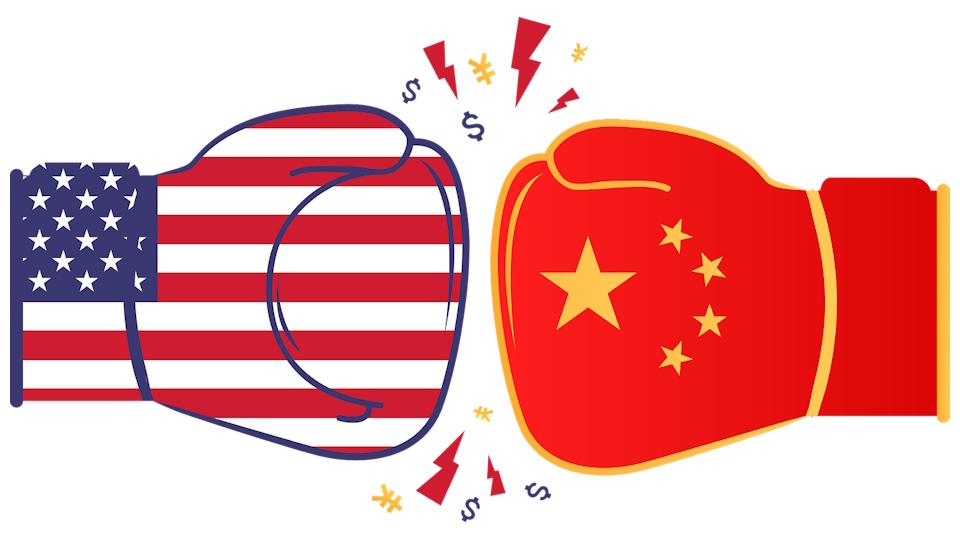
China has firmly emerged as a major source of drug candidates for pharma groups, but a new proposal by the US Treasury could slam the brakes on future licensing agreements.
The measure comes amid an update to the Outbound Investment Security Programme (OISP), which aims to curb US investments in high-tech industries in countries – like China, Russia, and North Korea – that are viewed as "countries of concern."
The OISP, which was started in early 2025 after a Trump executive order, has so far focused on a specific set of technologies, namely semiconductors/microelectronics, quantum information technologies, and artificial intelligence. Now, the scope has been extended to include biotech in the new draft.
It is estimated that around a third of new drugs under development globally originated in Chinese labs. If finalised, the proposal would introduce restrictions on certain technologies used in the design and production of drugs, including cell and gene therapies, as well as drug delivery systems, biomanufacturing equipment, gene sequencers, digital and AI-based discovery and bioinformatics tools, and brain-computer interfaces.
The move comes as lawmakers in the US are pushing measures to try to limit the emergence of China's biotech sector on the international stage, such as the bipartisan Biotech Investment National Security Act (BINSA), which is also seeking outbound investment screening on cross-border biopharma deals.
BINSA was introduced in June in the House of Representatives, where it remains under committee review, and a companion bill was tabled in the Senate in August. Meanwhile, the House China Select Committee has launched investigations into US pharma firms using Chinese clinical trial sites, specifically questioning sites linked to the military or located in the Xinjiang region.
In a statement on the OISP plan, Treasury Secretary Scott Bessent said: "The biotechnology sector in countries of concern enables the military, intelligence, surveillance, or cyber-enabled capabilities of those countries."
He added: "The proposed regulations would strengthen the existing [OISP] to prevent our adversaries from using US investment to develop critical technologies that threaten US national security."
Industry groups representing the biopharma industry, including PhRMA and BIO, have pushed back hard against the Treasury plan, arguing that it is an example of serious government overreach and poses a big risk to US competitiveness.
"We cannot restrict our way to success," said BIO president and chief executive John Crowley. "As Treasury considers comments on the proposed rule, we need to ensure that we do not have an overly broad approach that would create uncertainty for innovators and investors, and that may unintentionally risk weakening US biotech competitiveness."
Image by Priyam Patel from Pixabay