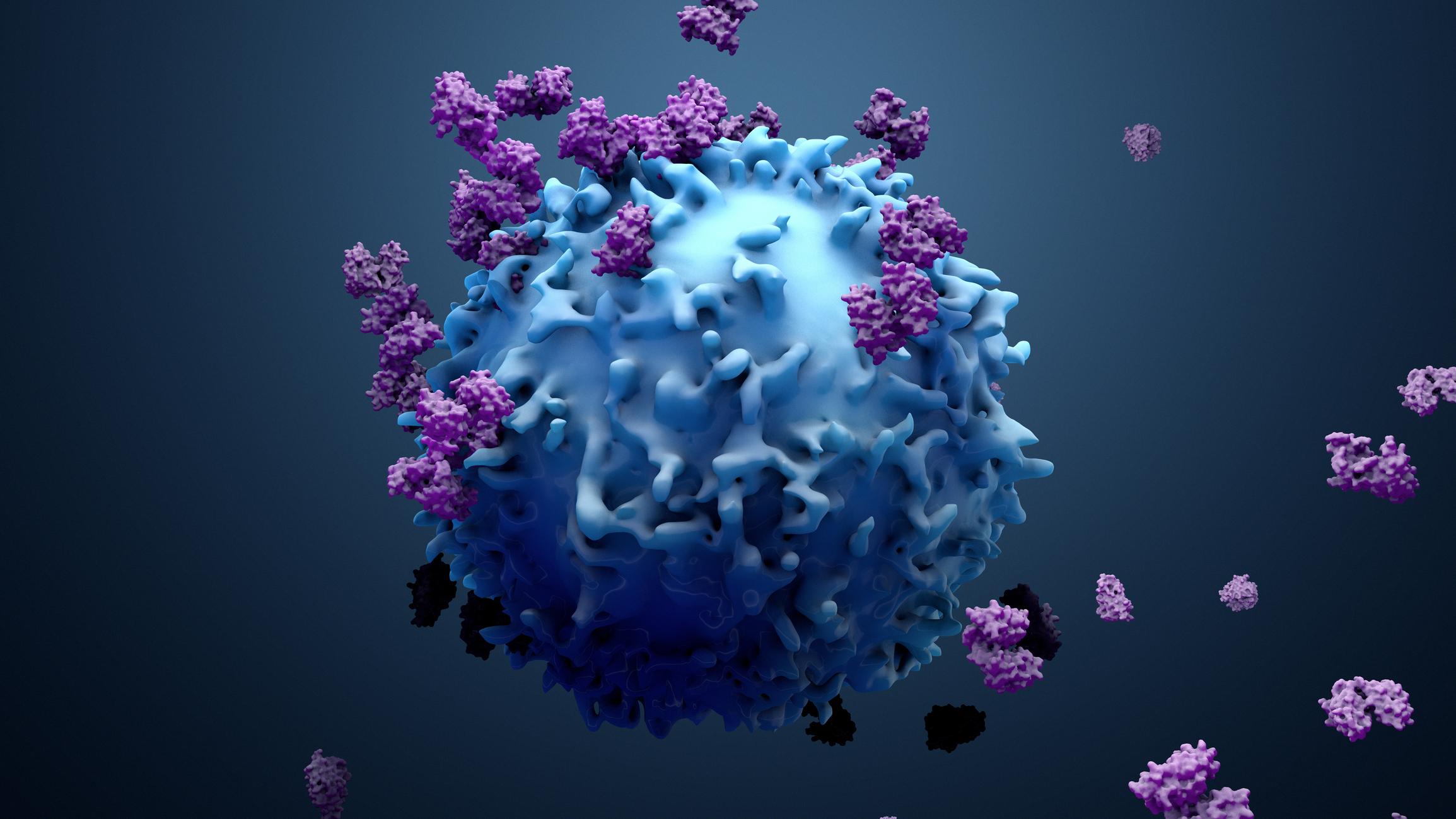
Umoja's in vivo cell therapy fast-tracked by FDA

One of the pioneers of in vivo cell therapy, Umoja Biopharma, has cleared another regulatory milestone after getting a fast-track designation from the FDA for its lead candidate for blood cancers, partnered with AbbVie.
The US regulator has awarded the status to UB-VV111 for the treatment of relapsed/refractory large B-cell lymphoma (LBCL) following two or more lines of prior therapy and as a third-line or later treatment for relapsed/refractory chronic lymphocytic leukaemia (CLL).
CD19-targeting UB-VV11 became the first in vivo CAR-T cell therapy to be cleared for human testing by the FDA last year, and is currently in a phase 1 trial evaluating its safety and anticancer activity in B-cell malignancies.
Umoja's approach to in vivo cell therapy involves using a lentiviral vector (VivoVec) to deliver a genetic sequence to T-cells within the body, modifying them so they are stimulated into making their own cancer-fighting CAR-T cells.
The off-the-shelf product eliminates the need for ex vivo manufacturing processes for current CAR-T therapies that involve harvesting cells from patients, modifying and amplifying the cells in the lab, and reinfusing them to fight the cancer – which can take weeks and are resource-intensive.
Conventional CAR-T treatment can also be hazardous to patients, as patients have to undergo aggressive lymphodepletion therapy to destroy their bone marrow before treatment. UB-VV11 is also using a second technology called RACR to both enhance the activity of the endogenously-produced CAR-Ts and eliminate the need for lymphodepletion by inhibiting the effects of other immune cells.
UB-VV11 is one of multiple cell therapies in development at Umoja that were licensed by AbbVie last year in a deal that would be worth up to $1.44 billion and – according to the two companies – marked the first time that any big pharma group had ventured into the emerging in vivo cell therapy area.
Another has made a move since then, CAR-T pioneers Gilead/Kite, which reached an agreement in August to buy Umoja rival Interius BioTherapeutics for $350 million.
Interius' lead candidate is INT2104, a gene therapy that delivers a CAR transgene to generate effector CAR-T and CAR-NK cells in vivo for the targeting of CD20-positive B-cells. Meanwhile, another player in the category is Kelonia Therapeutics, which has started dosing patients in a phase 1 trial of its in vivo CAR-T targeting BCMA, KLN-1010, in relapsed and refractory multiple myeloma.
"This fast-track designation marks a key milestone in the advancement of in vivo CAR-T cell therapies," said Luke Walker, Umoja's chief medical officer.
"UB-VV111 continues to lead the in vivo CAR-T cell field in the US, and today's announcement further reinforces its potential to address unmet needs in the treatment of those living with relapsed/refractory B-cell malignancies," he added.