UK puts £50m behind expanded clinical trials drive
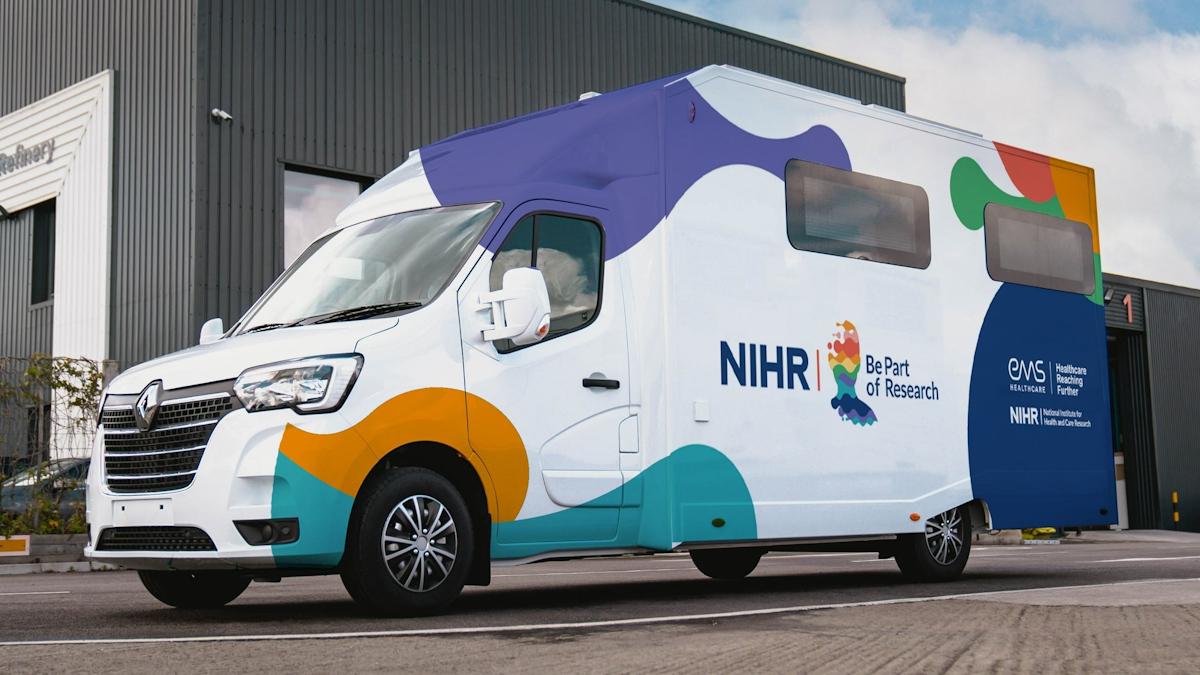
NIHR mobile research unit.
The UK government is providing nearly £50 million in funding for equipment that it says will help the NHS carry out commercial research projects and clinical trials, funded in part by the pharma industry.
The money will provide essential equipment – from diagnostic kit such as spirometers and ECG machines to high-tech scanners and mobile research vans – to 51 NHS Trusts and 79 primary care organisations across England.
It is part of the Voluntary Branded Medicines Pricing, Access and Growth (VPAG) Investment Programme, which diverts some of the rebate pharma companies have to pay back as a percentage of their sales, set at a rate to cover the amount that NHS spend on branded medicines overshoots an agreed growth rate.
The VPAG – which came into effect in 2024 and is due to run until 2028 – is the latest iteration of the voluntary rebate system agreed between the pharma industry and the UK government.
For the first time, the scheme includes an industry-funded investment programme to channel around £400 million of investment into the UK's health and life sciences sector, and the equipment award will come alongside other initiatives, such as the creation of up to 18 new Commercial Research Delivery Centres (CRDCs) across the four UK nations, building up the infrastructure for recruiting patients and running studies.
Funding adds community research focus
The £47.8 million revealed by the government today is the third year of the capital investment, but has had its scope broadened for the first time to go beyond NHS trusts and include all non-commercial NHS providers, including GP practices.
It is part of an initiative to "streamline" the NHS's ability to run innovative clinical trials, and try to reverse years of decline in the number of studies run by commercial sponsors in the UK.
Around 60% of the new investment will go to primary care organisations, to help them run commercial clinical trials within local communities, according to the National Institute for Health and Care Research (NIHR), which is allocating the funds.
Health Innovation and Safety Minister, Dr Zubir Ahmed, said the investment will help the NHS run trials in hospitals as well as community settings across England.
"By targeting primary care, we are changing that – giving patients everywhere the chance to benefit from the latest medical breakthroughs on their doorstep, regardless of where they live or their background," he said.
"This is how we will build an NHS fit for the future, keep the UK at the cutting-edge of global life sciences, and drive the economic growth our country needs."
Among the equipment funded by the NIHR is a fleet of mobile research vans for screening and diagnostics to increase patient recruitment and reduce geographic inequalities in locations including Leicestershire, Nottinghamshire, Cambridgeshire, and Norfolk, along with new scanning equipment and specialty pharmacy refurbishments.
The Association of the British Pharmaceutical Industry (ABPI) welcomed the new funding, saying it will ensure more people have the chance to take part in trials, help address equipment shortages that can create bottlenecks in hospital-based research, and give GP practices and community providers more opportunities to "offer research opportunities closer to where people live."