UK Biobank partners industry on 'most detailed' immune map
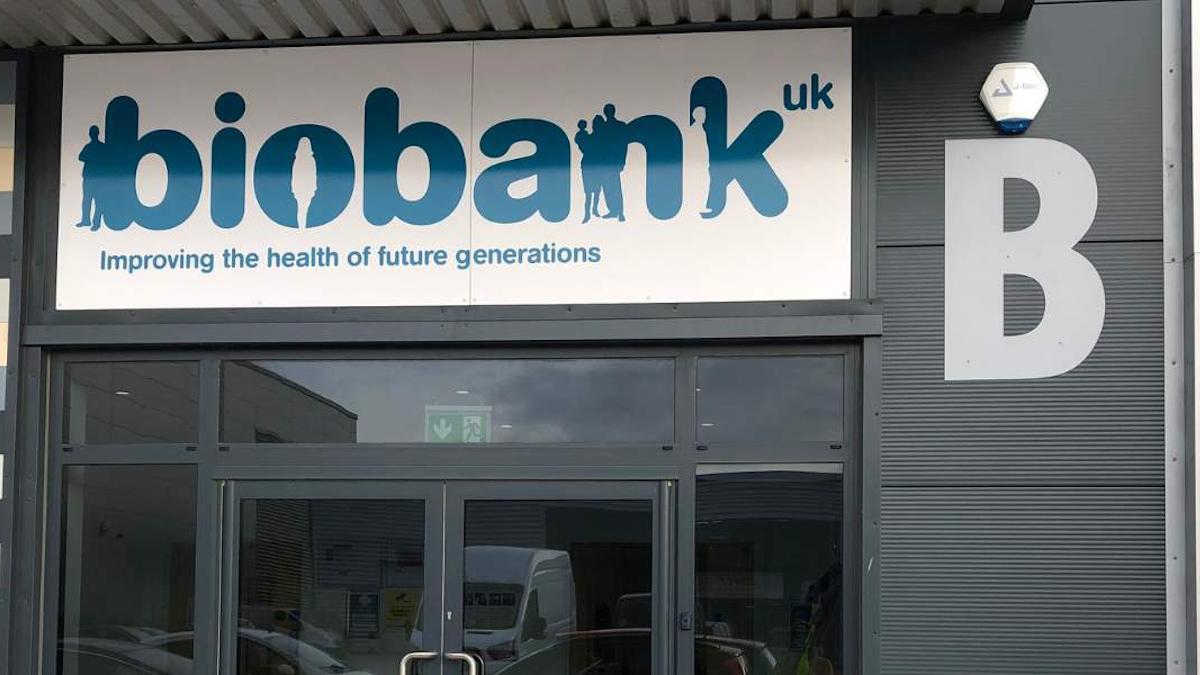
The UK Biobank has teamed up with IMU Biosciences and other companies on the creation of what they hope will become "the world’s most detailed, large-scale picture of the human immune system."
The project – which will also involve lab tech firm Waters and Ultima Genomics – will draw on data from 80,000 blood samples collected from UK Biobank participants and generate more than 100 million multi-omic immune data points from each sample that will be used to advance research into health and disease.
IMU is bringing its high-resolution immunology platform to the collaboration, while Walters will provide flow cytometry and multi-omic instrumentation capabilities and Ultima Genomics' recently launched UG200 sequencing platform will produce the data readouts. In time, the aim is to expand the database so it includes all 500,000 people in the UK Biobank.
"This new dataset will provide our global research community with a valuable insight into how the immune system changes with ageing," commented Prof Naomi Allen, chief scientist at UK Biobank.
"Scientists will be able to study which specific immune cell changes contribute to the future risk of conditions like cancer, diabetes and dementia, paving the way for earlier disease detection and more accurate diagnosis," she added. "When complete, this detailed map of the immune system will in turn fuel the detection of new drug targets and help clinicians to understand who might respond best to a particular treatment."
The partners said the project will add a "high-resolution immune profiling layer" to the UK Biobank's existing de-identified genomic, imaging, clinical and lifestyle data generated from participants over the last 15 years.
Data generated from the new initiative will, over time, be returned to UK Biobank and made available to approved researchers, who will be able to use it to gain a better understanding of how immune variation relates to disease risk, progression, treatment response and long-term health outcomes. IMU has recently been awarded a £1.57 million Sovereign AI grant from the UK government to help deliver the project.
Immunology and inflammation (I&I) has been growing fast to become one of the primary areas for pharma industry R&D, accounting for around 15% to 20% of all projects. That makes it second only to oncology, which commands 35% to 40%, according to market research estimates.
"The immune system is central to ageing, infection, cancer, autoimmunity, metabolic disease and neurodegeneration, but large-scale studies often lack the resolution needed to examine how immune variation relates to future outcomes," said the partners.
"This study aims to reveal how immune profiles relate to disease risk, progression, treatment response and long-term health outcomes."
The immunology alliance follows a collaboration between the UK Biobank and the University of Exeter, supported by the Novo Nordisk Foundation and sequencing company Illumina, which will chart epigenetic variation – the molecular mechanisms that regulate how and when genes are expressed – across the human genome.