Tauklarify PET approval for Lantheus in AD NFT pathology
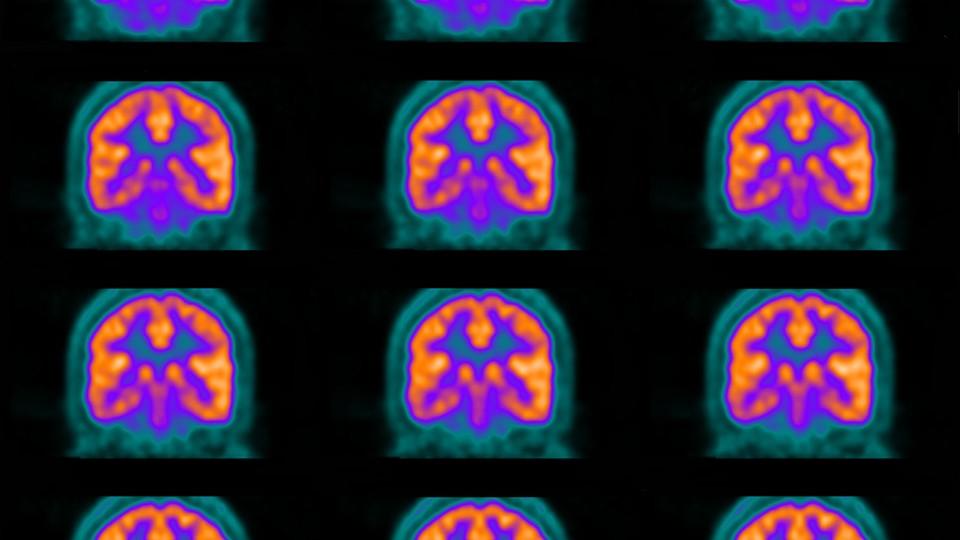
Lantheus Holdings, Inc., a Bedford, Massachusetts-headquartered radiopharmaceutical-focused company, announced on 14th August that the US FDA has approved Tauklarify (florquinitau F 18 injection), also referred to as MK-6240, a radiodiagnostic agent indicated for positron emission tomography (PET) of the brain in adults with cognitive impairment who are being evaluated for Alzheimer’s disease, to identify patients with tau neurofibrillary tangle (NFT) pathology.
Alzheimer’s disease (AD) is a degenerative neurological disorder that causes a decline in cognition and function. In the US, there are more than 7 million people living with AD. As the population ages, it is likely that the prevalence of this disease will continue to rise and – according to the Alzheimer’s Association – by 2050, the number of people 65 and older with Alzheimer’s disease may grow to more than 13 million.
Tauklarify’s approval is supported by two blinded read studies, Study 1 and Study 2, which analysed PET images from more than 500 subjects who participated in three clinical trials – including individuals with mild cognitive impairment, mild Alzheimer's disease dementia, and cognitively unimpaired individuals – enabling evaluation across a broad spectrum of cognitive function, including earlier stages of disease.
Tauklarify was assessed in subjects who were expected to have predominantly no tau NFT pathology (i.e., cognitively unimpaired and amyloid beta PET-negative) or predominantly clinically significant levels of tau NFT pathology associated with Alzheimer’s disease (i.e., cognitively impaired and amyloid beta PET-positive).
All trial subjects received an approximate intravenous dose of 185 MBq (5 mCi) of Tauklarify for tau PET imaging and, in both studies, the PET scans were interpreted by independent readers who were blinded to subjects' clinical information and amyloid beta PET results. Scans were classified as positive or negative for tau neurofibrillary tangle (NFT) pathology and compared against a pre-established reference standard based on cognitive status and amyloid beta PET findings.
Tauklarify does contribute to a patient’s overall long-term cumulative radiation exposure, which is associated with an increased risk of cancer. But the most commonly reported adverse reactions (of incidence ≥ 0.1%) were headache, nausea, injection site reactions, dizziness, and abdominal discomfort.
Tauklarify has a limitation of use and its safety and effectiveness have not been established for the evaluation of non-Alzheimer's disease tauopathies.
Following the approval, Lantheus intends to continue supporting Alzheimer’s disease therapeutic programmes through its Pharma Solutions business while assessing the appropriate path toward broader commercial availability.
Keith Johnson, Professor of Neurology and Radiology, Massachusetts, General Hospital and Harvard Medical School, commented: “For clinicians and researchers, tau PET imaging is an important tool for identifying tau pathology in the brain and advancing our understanding of Alzheimer’s disease.”
Mary Anne Heino, executive chairperson and CEO of Lantheus, added: “As the field continues to advance, clinicians are seeking a more complete understanding of this disease, with tau PET imaging providing information that complements amyloid PET and other diagnostic tools. We remain committed to advancing research that will further define the role of tau imaging in understanding Alzheimer’s disease.”
Headquartered in Massachusetts, with offices in New Jersey, Canada, Germany, Sweden, Switzerland, and the United Kingdom, Lantheus has been providing radiopharmaceutical solutions for more than 70 years. Earlier this month, Lantheus merged with Curium, to create a combined company with annual revenues estimated at around $2.1 billion.
The deal came as radiopharma – long dominated by diagnostics, but increasingly moving into therapeutics – is becoming one of the most dynamic areas of oncology R&D and has started to expand into other therapeutic categories, including neurology, cardiology, and inflammatory diseases.