Breaking Bipolar I disorder stigma in the Hispanic community

Each year, from 15th September to 15th October, Hispanic Heritage Month recognises the histories, cultures, and contributions of Hispanic and Latino communities in the United States. It is a celebration, but also an opportunity to reflect on the experiences that continue to shape our communities.
As a proud member of the Hispanic community, I think about both the progress we have made and the conversations we still need to have.
In my work as a Hispanic psychiatric clinician serving a largely Hispanic and Latino patient population, I have seen how difficult it can be for someone to explain what they are experiencing when mental health simply was not something discussed in their family. For some, the only language they may have heard around mental illness involved negative labels, rather than understanding.
That becomes especially concerning with a serious mental illness such as bipolar I disorder (BD-I), which can already be complicated to identify and treat without the additional burden of stigma.
BD-I is defined by prolonged manic episodes, which may involve significant changes in energy, activity, mood and behaviour, and typically cycle with separate depressive episodes. The pattern of symptoms, how long they last, their severity, and how much they affect a person’s life all contribute to an individual’s experience of living with BD-I.
Understanding what BD-I can look like is important, but recognising symptoms is only part of the challenge. A person also has to feel safe enough to acknowledge what they are experiencing and believe that there is a realistic path to care.
For many Hispanic patients and families, that is where the gap between need and treatment can begin. Reducing stigma means talking honestly about what these conditions are, recognising when someone may need help, and creating an environment in which asking for that help feels possible.
Why people may hesitate to seek care
There is no single Hispanic or Latino experience. Our communities include different countries of origin, generations, traditions, family structures, and beliefs. Even within the same family, different generations may understand mental health very differently.
Our cultural backgrounds can shape what we were taught about illness, which struggles are considered acceptable to discuss, whom we trust with personal information, and whether seeking help is viewed as strength, weakness, or something that should remain within the family.
In my personal and professional observations, Hispanic communities continue to face notable barriers in accessing mental health care. Public health data reflects that broader challenge. In 2023, 16.4% of Hispanic adults in the United States received mental health treatment, compared with 22.9% of adults overall. While those figures are not specific to BD-I, they demonstrate a broader difference in the use of mental health services.
As a clinician, one of the first things I want to understand is where someone’s hesitation is coming from. Is it stigma or fear? Is there a cultural component, a family dynamic, or a lack of support? Are cost, language, access, or previous experiences with the health care system creating another barrier?
A 2024 study of more than 1,000 Hispanic or Latino adults living in Northern California found that concerns about available treatments and the cost of care were among the most common barriers. Respondents also described wanting to solve the problem on their own and worrying that seeking help would cause others to see them as weak. In that study, 23.8% of respondents said they wanted to connect with mental health care during the previous year, but only 11.7% ultimately did.
Creating pathways to connected care
Being able to speak Spanish with many of my patients certainly helps build trust. But culturally responsive care goes far beyond speaking the same language.
We have to listen to how someone understands their symptoms, what mental illness means within their family, and how their community or previous experiences with health care may influence their willingness to engage in care. That is where confianza, or trust, becomes so important.
A thoughtful assessment matters. Clinicians need to understand the severity, duration, and pattern of symptoms over time, along with a person’s family history, usual behaviour, and current level of functioning. Just as importantly, patients need enough time and space to explain what they have experienced without feeling that they are being rushed towards a label.
At different points in someone’s treatment journey, family members, and loved ones can also become important partners in care when the patient is comfortable with their involvement.
They often provide valuable context about what someone is normally like and may notice subtle changes before the patient recognises them.
For example, someone who normally sleeps seven or eight hours may suddenly sleep only a few hours and insist that they are not tired. Family members may notice unusual increases in energy, rapid speech, irritability, impulsive decisions, or a person suddenly taking on far more activities than usual.
During a depressive episode, someone who is usually social and engaged may begin withdrawing, lose interest in things they normally enjoy, or struggle with everyday responsibilities.
Recognising meaningful departure from someone’s usual behaviour can open the door to a compassionate conversation and, when necessary, a reconsideration of treatment.
None of this is easily accomplished when stigma, mistrust, lack of awareness, or practical barriers prevent someone from first feeling comfortable enough to say that they need help.
Culturally informed care therefore requires listening, education, family support when appropriate, and accessible treatment that recognises every patient brings a different story into the room.
Living with BD-I is a long-term commitment
BD-I is a lifelong condition that often appears in young adulthood and requires careful, ongoing management.
Treatment should be individualised and guided by a qualified health care professional. It commonly includes medication and psychotherapy, along with attention to consistent sleep, daily routines, and a strong support system.
Effective treatment also requires honest conversations about whether a medication is working, how well it is tolerated, and whether the overall plan realistically fits the person’s life.
For some patients, the barrier is not only accepting the diagnosis, but accepting treatment. Previous experiences with side effects, personally or within their family, may shape how they view psychiatric medication.
Open communication and trust between the patient and clinician are often what make successful long-term treatment possible.
Considering that complexity, reducing stigma requires more than simply encouraging people to be more open about their mental health. Families need accessible information about what BD-I is, what meaningful changes may look like, and how they can respond when someone they love begins struggling. Clinicians need to understand the cultural and practical concerns that may influence whether a patient feels comfortable engaging in care.
Hispanic Heritage Month gives us an opportunity to celebrate the diversity, resilience, and strength within our communities while also recognising where greater understanding is still needed.
Resilience is something many of our families take tremendous pride in, but being strong should never have to mean suffering silently.
When we speak about mental health without judgement, recognise meaningful changes in the people we love, and make care more culturally responsive, we create an environment in which someone experiencing symptoms of BD-I may feel safer asking for help.
Sometimes, that begins with one person saying, “Something has changed. I need help,” and someone else being willing to listen.
About the author
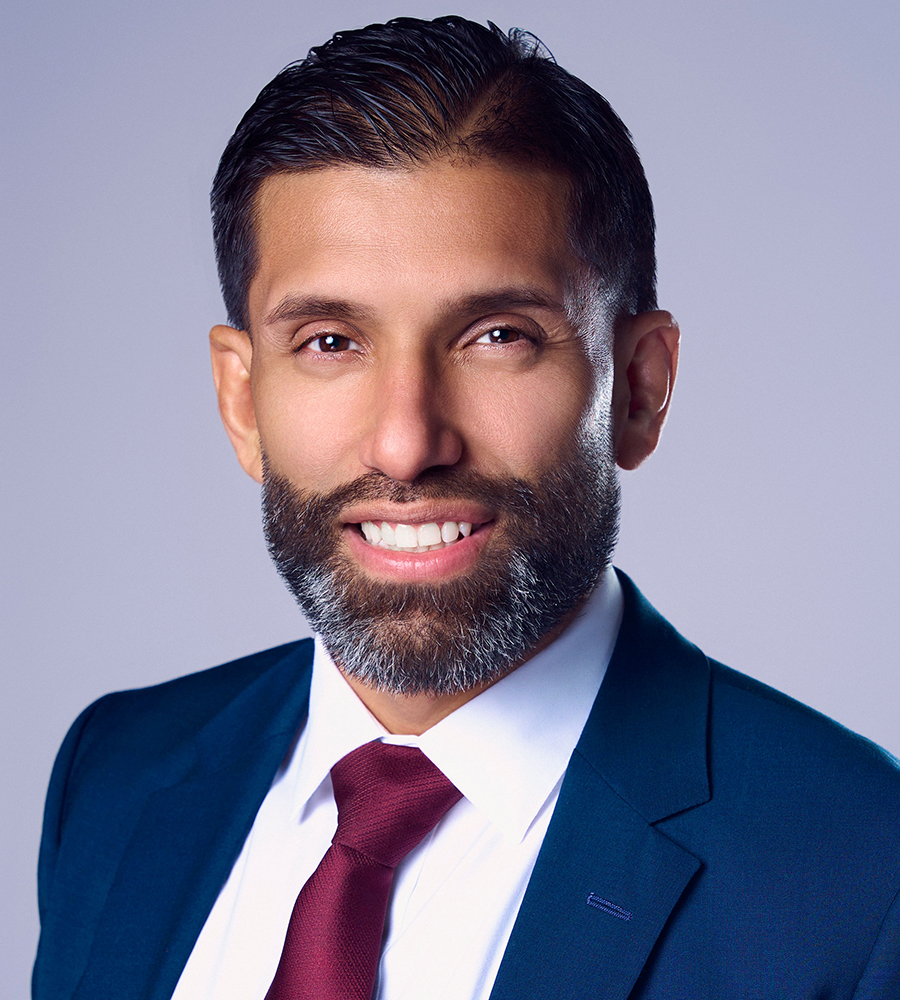 Roger Rivera is board certified as a family nurse practitioner (FNP) and psychiatric-mental health nurse practitioner (PMHNP) working at Mente Suave Psychiatry & Medicine. His 15+ years of medical competency include psychiatry, family medicine, critical care, emergency medicine, and trauma surgery. Trained at the University of Florida, Rivera is not only a seasoned practitioner, but also holds a Nurse Educator Certification from the same prestigious institution. His commitment extends beyond clinical practice; he is dedicated to both treating and teaching the art and science of integrative psychiatric care. A proud veteran, Rivera served in the United States Marine Corps as an infantryman, bringing a wealth of discipline, teamwork, and commitment to excellence into his medical practice. Currently leading a research project on post-traumatic stress disorder (PTSD) at the Puerto Rico Medical Center Trauma Hospital, Rivera aims to implement a PTSD protocol using precision medicine.