
Philanthropic drive puts $140m behind strep A vaccine
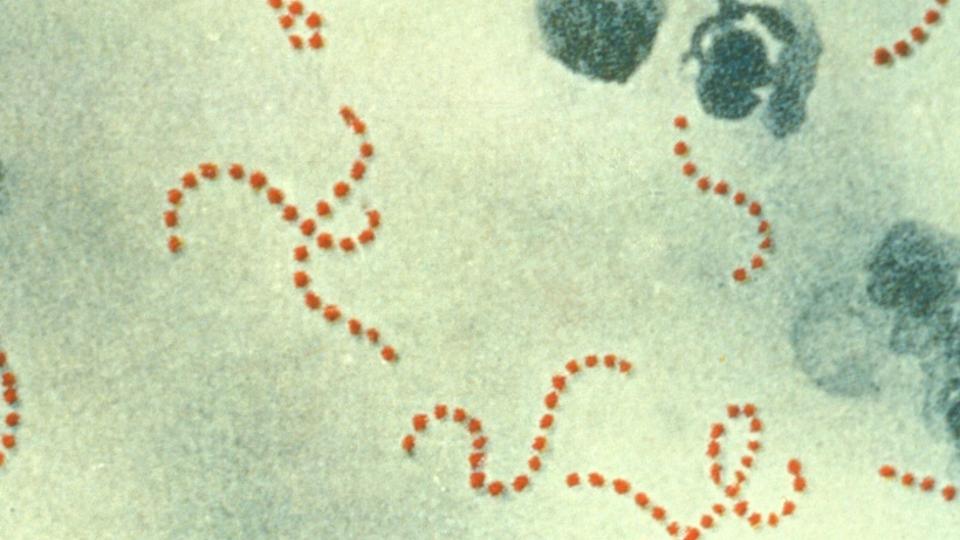
Photomicrograph of Streptococcus pyogenes bacteria at 900x magnification.
A $140 million fund has been launched by Coefficient Giving, a health-focused philanthropic organisation, to fund R&D into vaccines for Strep A, an infection that kills around 639,000 people worldwide every year.
Coefficient Giving, which acts as a conduit for donors wishing to provide philanthropic capital to projects and has directed more than $5 billion in grants since it was set up in 2014, said that the death toll from Strep A (Streptococcus pyogenes) rivals that of HIV/AIDS and malaria, but "receives dramatically lower levels of funding and public attention."
While usually causing an unpleasant, but generally easily managed, 'strep throat' infection in childhood, it sometimes develops into scarlet fever, which is generally easily treated with antibiotics, but can lead to serious conditions including sepsis and necrotising fasciitis, sometimes known as the 'flesh-eating disease'.
From a public health perspective, the most serious consequence is rheumatic heart disease (RHD), an autoimmune condition that occurs when immune responses to repeated Strep A infections cause damage to the heart valves. Around 55 million people, mainly in low- and middle-income countries, are living with RHD, and many lack access to the surgical or antibiotic treatment needed to stop the disease taking their lives.
"There is currently no licensed vaccine to prevent Strep A infections, but efforts to develop one date back over a century, and even early attempts showed signs of protection," according to Katharine Collins, senior programme officer at Coefficient Giving.
"The autoimmune mechanism behind RHD historically made regulators cautious, and with little funding flowing into the field, progress developing modern vaccines has been slow," she added, noting that only four of around 18 candidates developed over the past two decades have reached human trials.
Another issue is that trials looking at RHD – which can develop years after an initial infection – will have to have a long timeline, making them expensive. To date, only four vaccine candidates have been tested in humans, and none have completed an efficacy trial.
Collins has pointed to two recent developments in the field that could make things easier: a human challenge model for Strep A that could provide a clinical trial endpoint to see if candidates can prevent strep throat, and an ECG technique that can spot early, asymptomatic signs of RHD in children.
With those tools in the kit, the organisation is hoping to provide funding across the board for all the promising Strep A vaccines in development, advancing on a broad front to try to shorten the time it takes to find an effective candidate.
Among the potential shots for Strep A are StreptInCor, developed by the Heart Institute (InCor) in Brazil, and GSK's Combo4 candidate, which showed promising activity in preclinical testing years ago, but have only just started clinical trials.
By the end of 2030, the group wants to have doubled the number of vaccine candidates in clinical trials, and have at least one ready for phase 3 testing.
In the interim, it also wants to foster greater collaboration among the international Strep A research community, help with the rollout of portable ultrasound technology that can detect the signs of RHD and thereby identify people who need monthly antibiotic injections to halt disease progression, and engage with regulators and policymakers "so that when a vaccine succeeds in trials, the pathway to approval and delivery is clearer."
Coefficient Giving is also funding a clinical trial to see if two years of antibiotic treatment is sufficient to prevent early RHD from worsening, rather than the currently recommended 10 years, which would make screening programmes easier to establish at scale.
"Success isn't guaranteed, and it won't happen in isolation," said Collins. "We're proud to be working alongside the researchers, clinicians, and advocates who have carried this field for years. There's a long way to go, but we'll get there faster by working together."
Image from CDC's Public Health Image Library via Wikipedia














