ICER says AZ's new hypertension drug too expensive
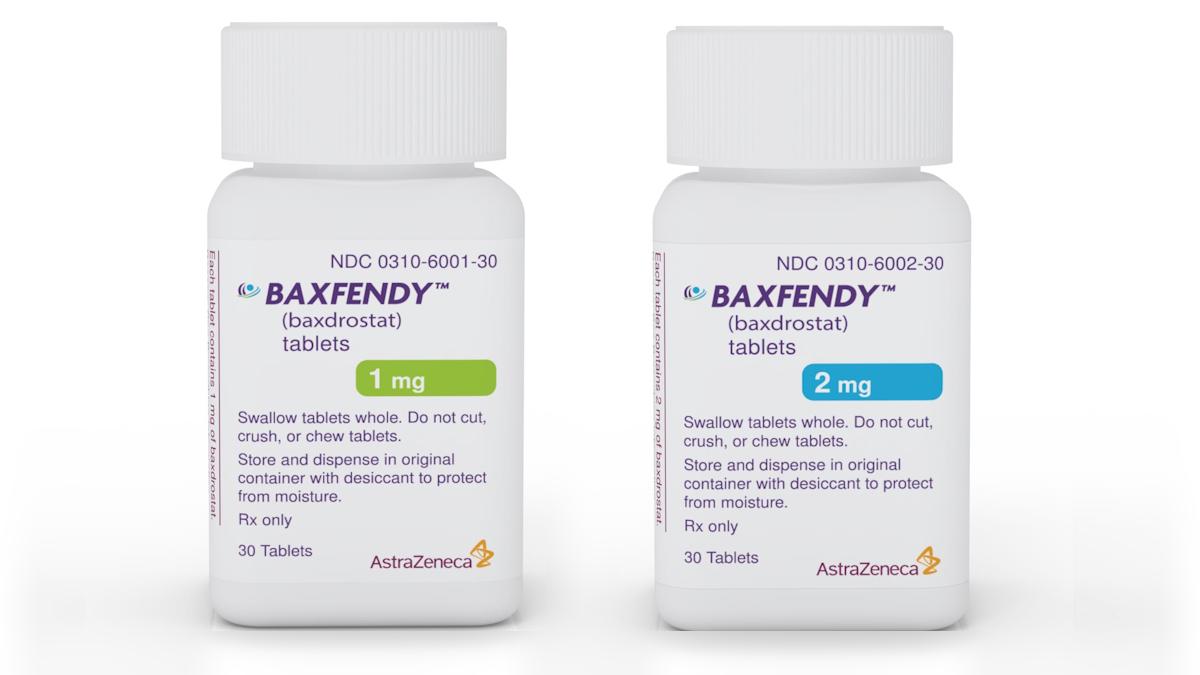
US cost-effectiveness watchdog ICER has concluded that AstraZeneca's first-in-class aldosterone synthase inhibitor (ASI) Baxfendy for resistant hypertension does not offer value for money.
In a preliminary evidence report (PDF), ICER concludes that Baxfendy (baxdrostat), which was approved by the FDA in May and has a wholesale acquisition cost of around $900 for a 30-day supply, has not delivered sufficient improvements over older generic drugs to justify its higher cost.
The organisation comes to a similar conclusion for Mineralys' rival ASI lorundrostat – which has been submitted for approval in the US, but not yet approved for marketing by the FDA – but bases its appraisal on an estimated placeholder price equivalent to AZ's drug.
ICER's meta-analysis of available clinical data for the two drugs concludes that they offer a "promising but inconclusive" improvement in blood pressure-lowering activity compared to spironolactone, eplerenone, or amiloride for resistant hypertension, but also finds that they are "comparable or inferior" to amlodipine, another commonly used drug.
Whilst acknowledging that the conclusions are preliminary and could change with additional evidence, ICER said that the much higher prices of the two drugs mean they far exceed the usual cost-effectiveness thresholds.
It also said questions remain about the long-term effects of ASIs, as well as their impact on patient-important outcomes and their efficacy and safety in some populations like people with chronic kidney disease (CKD).
While ICER is a private non-profit and lacks the regulatory authority of other health technology assessment (HTA) agencies, such as NICE in the UK, its reports are often used by health insurers, pharmacy benefit managers (PBMs), and federal programmes to guide coverage and pricing policies.
In the US, around half of the approximately 23 million people living with hypertension, who are already taking multiple antihypertensive drugs, still show elevated blood pressure that raises their risk of cardiovascular complications like heart attack, stroke, and premature death.
Baxfendy was approved on the strength of the BaxHTN trial, which showed that Baxfendy achieved statistically significant reductions in blood pressure compared with placebo at 12 weeks when added to two or more current antihypertensive drugs, and Mineralys reported similar findings with lorundrostat in its Advance-HTN trial.
AZ and Mineralys contend that the reductions in blood pressure achieved with their ASIs are of a magnitude that should deliver a reduction in serious cardiovascular events.
"Millions of people in the US currently do not have their blood pressure under control despite being on multiple existing medications," said an AZ spokesperson.
"ASIs...including Baxfendy, represent the first new innovation in hypertension management in more than two decades. Baxfendy offers patients clinically meaningful blood pressure reductions supported by a robust body of scientific evidence, and we are continuing to support access to this new therapy for patients across the US."
According to ICER's report, hypertension is a contributing factor to over 600,000 deaths in the US each year, with associated medical costs estimated to be upwards of $219 billion annually.