GSK pushes 'next-generation' mRNA flu shot into phase 3
Kristine Wook
Buoyed by positive results in a phase 2 trial, GSK has decided to start a phase 3 programme for its mRNA seasonal influenza vaccine candidate.
The move comes after a mid-stage study of the vaccine showed higher immune responses compared to standard and high-dose conventional inactivated flu vaccines in younger and older adults, respectively, according to the pharma group.
GSK is planning to start a phase 3 trial of the new vaccine later this month, saying it will be the first late-stage trial of an mRNA flu vaccine that is designed to target both the haemagglutinin (HA) and neuraminidase (NA), the primary surface antigens on the influenza virus.
A big advantage of mRNA vaccines is that they can be produced more quickly than conventional vaccines, which means developers can wait longer to see which flu strains are likely to be circulating in the next season.
Moderna has been leading the charge in the development of mRNA-based flu vaccines to date, claiming FDA approval for its mFlusiva shot for adults aged 50 and over last month, with a rollout due this year in time for the forthcoming flu season. That vaccine targets three HA antigens from different flu strains.
Meanwhile, Moderna has also claimed approval in Europe for mCombriax, a combined flu and COVID-19 jab that targets three HA antigens and the SARS-CoV-2 spike protein.
GSK thinks that targeting both HA and NA, which are involved in the binding and spread of flu virus particles, could help improve protection, lessen illness severity, and be more effective at interrupting transmission. The antigens it targets also span both A and B strains of the flu virus.
The FDA also seems optimistic that the vaccine could deliver an improvement on current vaccines, granting it fast-track status in July. During the 2025-2026 season, the US CDC recorded around 32 million cases, 390,000 hospitalisations, and 24,000 deaths from flu.
"Previous studies highlighted the gaps in flu vaccination, including the role of NA and the need to improve B-strain HA immunogenicity," said GSK in a statement.
The Flu-028 study, which involved 971 subjects aged 18 and over, examined different dose levels of either FLUm3HA.b-3NA encoding an optimised B-strain HA, FLUm3HA-3NA encoding non-optimised B/HA, or licensed age-appropriate comparators. FLUm3HA.b-3NA will be taken forward into phase 3.
"This promising data supports the potential to better protect people from flu with a vaccine designed to target both HA and NA," said GSK's head of vaccines and infectious diseases research, Sanjay Gurunathan.
"With one billion flu cases worldwide each year and up to 650,000 deaths, there is a need for next-generation vaccine approaches," he added.
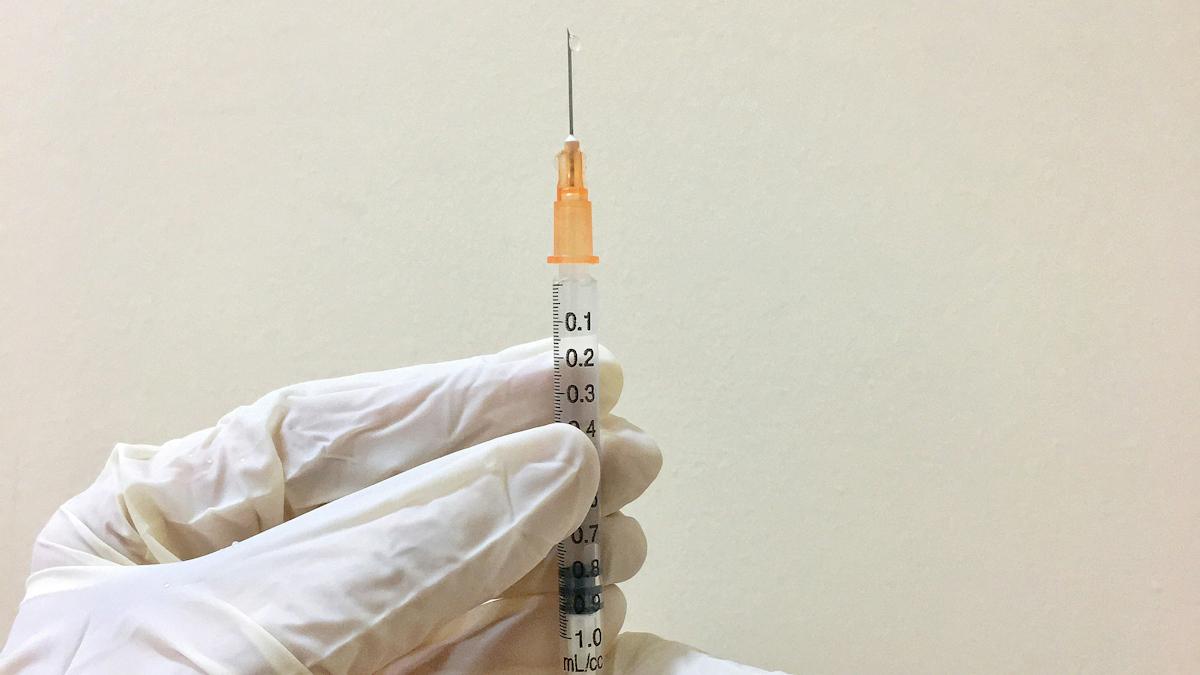
Photo by Kristine Wook on Unsplash