GSK pumps £45m into antimicrobial resistance projects
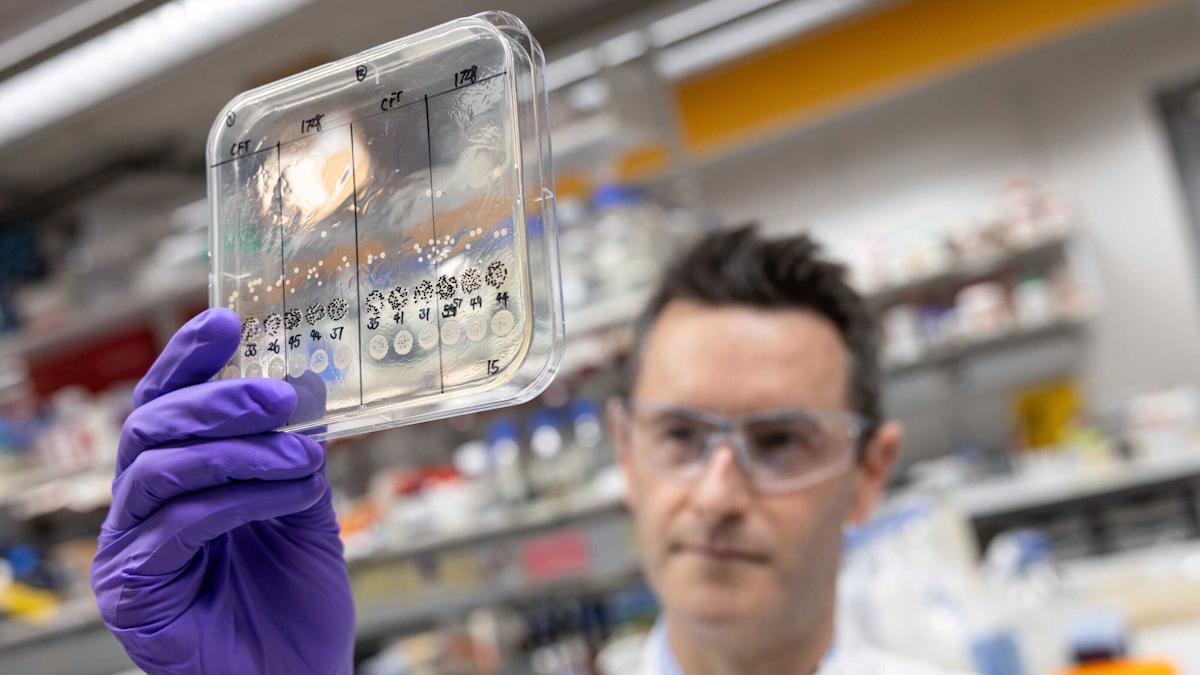
GSK has marked the start of antimicrobial resistance (AMR) awareness week with the news that it will provide funding for six new research programmes and 50 scientific and academic roles in the UK.
The previously announced £45 million ($59 million) funding will bring together AMR experts from the pharma group and Imperial College London – via the Fleming Initiative – to tackle a series of pathogens that the World Health Organization (WHO) considers urgent threats to public health.
According to GSK, the programme of 'Grand Challenge' research projects will make use of AI and other cutting-edge technologies to come up with therapies for Gram-negative bacteria, Aspergillus fungal infections, and multidrug-resistant (MDR) Staphylococcus aureus, including MRSA.
GSK was the first founding partner of the Fleming Initiative, which was announced last year and is also being backed by £85 million in UK government funding. The new programmes announced today will start next year and are fully funded for three years. Most of the research positions will be located at ICL facilities.
Along with seeking out new drugs for Gram-negative bacteria like Escherichia coli and Klebsiella and fungal infections, projects will also explore immune responses to drug-resistant bacteria – starting with S aureus – to guide new vaccine research, and create AI models to predict the emergence and spread of resistant pathogens.
The last two projects are a clinical trial to improve how and when antibiotics are prescribed and looking at the use of international research data to guide public policy, the deployment of preventative measures, encourage R&D, and "amplify societal and government action to get ahead of AMR."
The project has been announced shortly after the WHO published the latest version of its Global Antimicrobial Resistance and Use Surveillance System (GLASS) report, which found that one in six laboratory-confirmed bacterial infections are caused by bacteria resistant to current antibiotics.
Meanwhile, annual deaths associated with AMR are predicted to rise by 74.5% from 4.71 million in 2021 to 8.22 million in 2050.
"Today, in the shadow of 80 years since the Nobel prize for the discovery of penicillin, we're delighted to see this research progress," commented Prof Lord Ara Darzi, who is leading the Fleming Initiative.
"We hope this research will be a beacon for the global scientific community and highlight the urgent need for collaborative efforts to tackle the rising global threat of antimicrobial resistance."