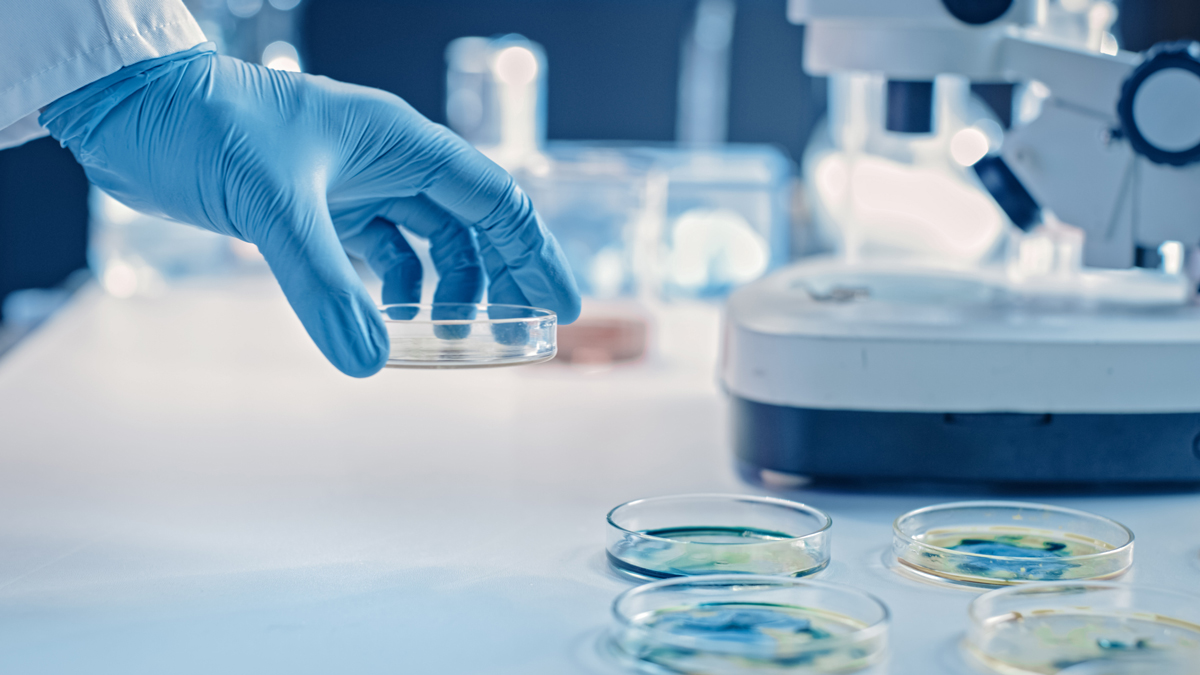
WHO sounds alarm over rising tide of antibiotic resistance
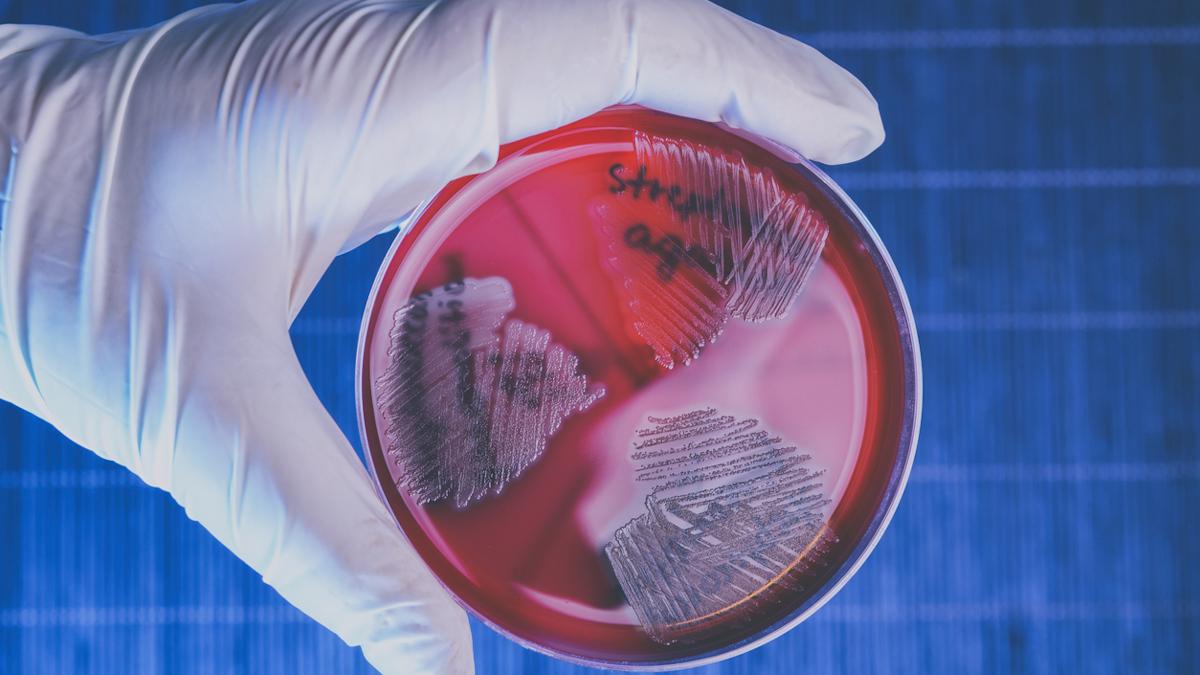
One in six laboratory-confirmed bacterial infections in people worldwide in 2023 were resistant to antibiotic treatments, according to the WHO, which has urged greater efforts to tackle the issue.
The alert coincides with the publication of the UN health agency's 2025 Global Antibiotic Resistance Surveillance Report, which, for the first time, tracks the prevalence of resistance across commonly used antibiotic classes for common infections.
The report indicates that between 2018 and 2023, antibiotic resistance rose in over 40% of the pathogen-antibiotic combinations monitored, with an average annual increase of 5%–15% and rates differing markedly between countries. In 2021, bacterial AMR was linked to approximately 1.14 million deaths, it said.
Rates of antimicrobial resistance (AMR) were highest in the South-East Asian and Eastern Mediterranean Regions, where a third of infections were resistant, as well as in Africa, where the rate was around 20%. Countries with limited surveillance and weaker health systems often report higher levels of antibiotic resistance, according to the report.
"Antimicrobial resistance is outpacing advances in modern medicine, threatening the health of families worldwide," said WHO Director-General Tedros Adhanom Ghebreyesus, who called for strengthened AMR surveillance systems to be rolled out around the world.
"We must use antibiotics responsibly, and make sure everyone has access to the right medicines, quality-assured diagnostics, and vaccines," he added. "Our future also depends on strengthening systems to prevent, diagnose and treat infections and on innovating with next-generation antibiotics and rapid point-of-care molecular tests."
Gram-negative bacterial pathogens like Escherichia coli and Klebsiella pneumoniae are posing a growing threat, which is particularly concerning as there is rising resistance to carbapenems, therapies which are often used to treat severe, complicated infections, as well as go-to drugs like fluoroquinolones.
Greater investment in R&D of new antibiotics is an urgent priority, particularly against carbapenem-resistant Acinetobacter and Enterobacterales species, alongside diagnostics for targeted antibiotic therapy that can help to preserve the efficacy of treatment, said the WHO.
Last year, the UN Political Declaration on AMR set clear targets for global action by 2030, including reducing deaths associated with bacterial AMR by at least 10% and ensuring that at least 70% of overall human antibiotic use is in line with best-practice recommendations.
A major challenge to overcome is that the number of pharma companies working on antibiotics has diminished from around 20 in 2000 to four, largely because of the difficulties in recouping the cost of investment, and the UN has said that the pipeline of new drugs is now "alarmingly dry."