Five AI tools to spot prostate cancer backed for NHS use
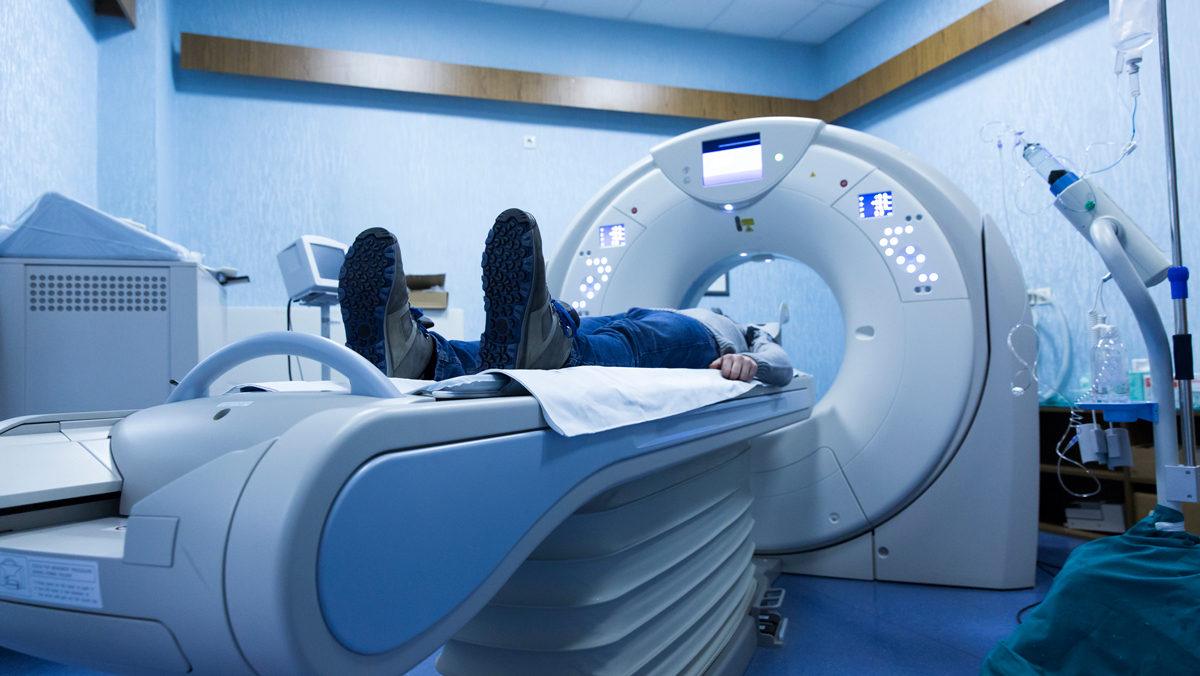
Reimbursement authority NICE has backed temporary use by the NHS of five AI tools that can help detect prostate cancer on MRI scans while additional data on their value is generated.
In the new guidance, the agency has concluded that AI-Rad Companion Prostate MR, DeepHealth Prostate, ProstatID, Prostate Intelligence, and QP-Prostate can be used over a two-year evidence-generation period with NHS funding, but it said more research is needed on two others (hProstate and mdProstate).
The AIs are designed to help radiologists by highlighting areas on a prostate MRI scan where cancer might be present, making it easier to spot and report.
"These AI technologies have the potential to act like a second pair of eyes, helping radiologists review prostate MRI scans," said NICE's programme director for healthtech, Dr Anastasia Chalkidou. "They have the potential to make MRI reporting more accurate and could help identify people whose scans need priority review."
Not all prostate cancer tumours need treatment, according to NICE. Some can instead be simply monitored for changes, as it is unlikely that they will cause symptoms. That said, MRI scans can play an important role in helping clinicians distinguish whether someone may need a biopsy or other tests to confirm if cancer that needs treatment is present.
All five of the supported AIs will have to demonstrate their accuracy in real-world settings during the next couple of years, as well as their impact on biopsy numbers, the time spent waiting for biopsy and diagnosis, radiologist capacity and workflow, and patient outcomes.
Commenting on the development, Prof Prabhakar Rajan, a urology and robotic surgery specialist at Barts Cancer Institute, Queen Mary University of London, said that prostate cancer – with around 58,000 diagnoses per year – is a growing burden on the NHS, and MRI is central to its diagnosis and management.
"This creates real challenges in identifying clinically significant cancer in a timely and cost-effective way, while avoiding unnecessary investigations and monitoring cancers that do not require immediate treatment," he said.
"AI has the potential to support faster and more consistent interpretation of MRI scans. However, it is important to distinguish promising performance in identifying or ruling out suspicious abnormalities from evidence of improved patient outcomes," added Prof Rajan.
It will be important to establish whether these tools reliably detect clinically significant cancers, reduce unnecessary biopsies and overdiagnosis of indolent tumours, and perform equitably across different patient groups and NHS settings, he said.
The draft guidance and evidence generation plan are now open for comments.