First malaria drug for newborns and young infants cleared
A new formulation of Novartis' antimalarial Coartem has become the first medicine to be approved for use in very young children who contract the potentially deadly mosquito-borne disease.
Coartem Baby (artemether-lumefantrine), known as Riamet Baby in some countries, is due to be rolled out in several African countries within the next few weeks for use in newborn babies and infants who weigh less than 4.5kg.
It was developed through a collaboration between Novartis and the Medicines for Malaria Venture (MMV) charity, and will be launched "on a largely not-for-profit basis to increase access in areas where malaria is endemic," according to the two partners.
Previously, very small children with malaria have been treated with products intended for older patients, which can pose a risk of overdose and side effects, leaving a gap in treatment. Malaria vaccines, meanwhile, are also not approved for use in the youngest children.
"Malaria is one of the world's deadliest diseases, particularly among children. But with the right resources and focus, it can be eliminated," said Martin Fitchet, MMV's chief executive.
"The approval of Coartem Baby provides a necessary medicine with an optimised dose to treat an otherwise neglected group of patients and offers a valuable addition to the antimalarial toolbox."
Coartem has been approved for use in Africa since the late 1990s and has been fundamental to efforts to fight the disease.
In 2023, there were around 263 million cases of malaria, linked to almost 600,000 deaths worldwide, according to the World Health Organization (WHO). The majority of all cases (94%) and malaria-related fatalities (95%) occurred in Africa, and children aged under five accounted for three-quarters of all deaths.
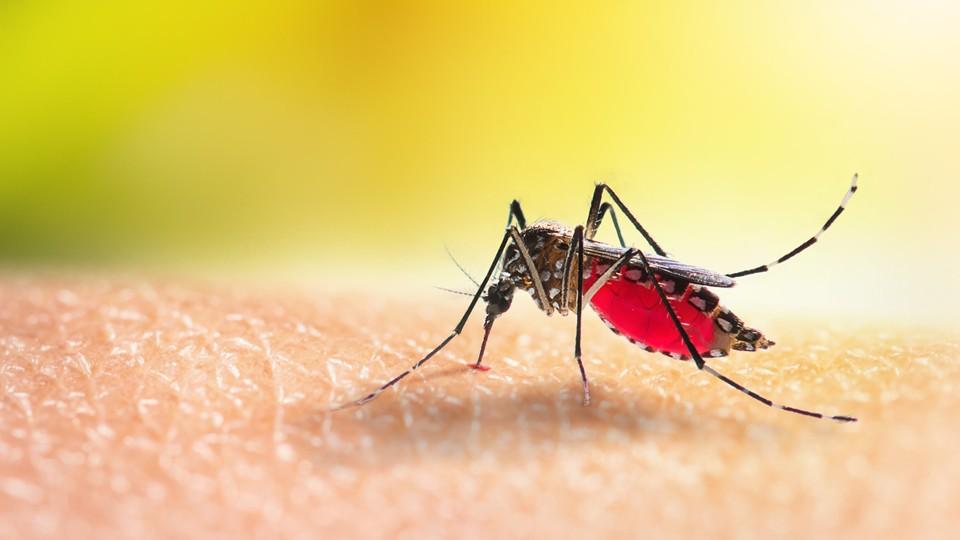
Infants under 5kg can be affected by placental malaria, leading to poor birth outcomes, or contract malaria from the bite of an infected mosquito. The prevalence of the disease in this age and weight group is poorly understood, and it is therefore often misdiagnosed, according to Novartis.
"The available malaria treatments have only been properly tested in children aged at least 6 months because smaller infants are usually excluded from treatment trials," said Prof Umberto D'Alessandro of the London School of Hygiene and Tropical Medicine, who is director of the UK's Medical Research Council (MRC) Unit in The Gambia.
"That matters because neonates and young infants have immature liver function and metabolise some medicines differently, so the dose for older children may not be appropriate for small babies," he added.
Coartem Baby was tested in a phase 2/3 trial, called CALINA, which investigated a new dose and ratio of the two active ingredients in the medicine to account for metabolic differences in babies under 5kg. Results were reported last year and met the requirements for pharmacokinetic profile, efficacy, and safety.
Photo by Andrae Ricketts on Unsplash