Novartis says novel drug could counter malaria resistance
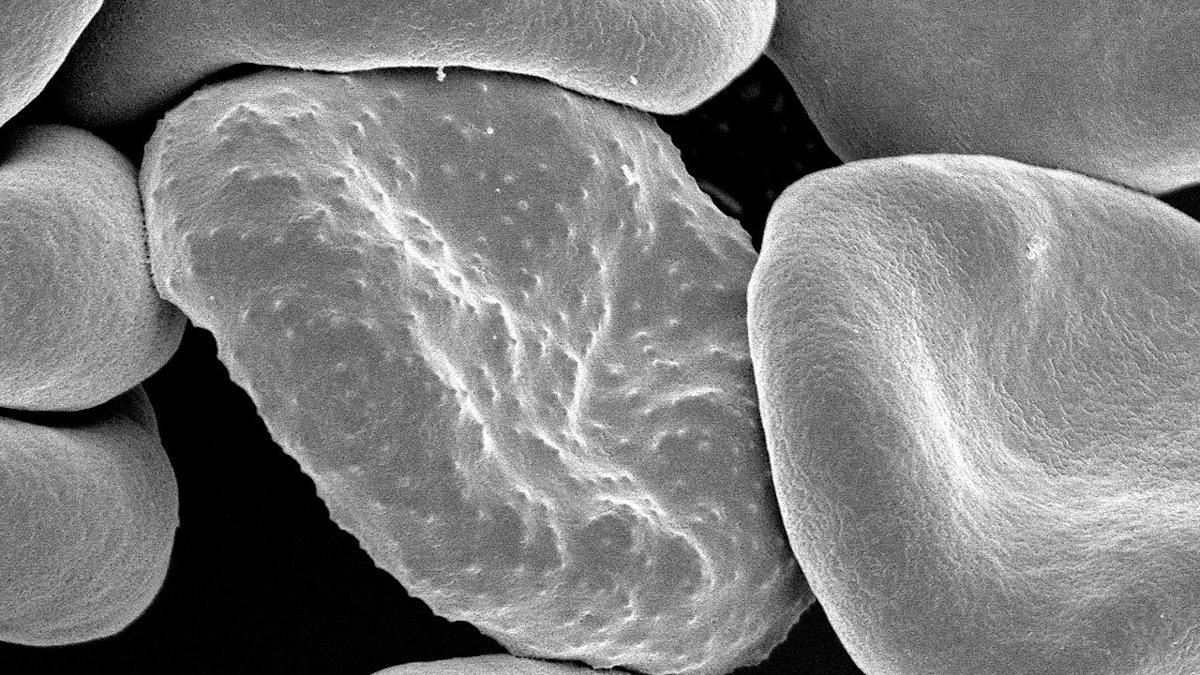
Electron micrograph of a Plasmodium falciparum-infected red blood cell (centre), illustrating adhesion protein "knobs".
Novartis has reported what looks like another big step forward in the treatment of malaria, with a new phase 3 trial showing efficacy for a drug with a new mechanism of action.
The study of GanLum (KLU156) – a combination of novel drug ganaplacide with established antimalarial lumefantrine – showed that it was at least as effective as standard treatment Coartem (artemether and lumefantrine) at achieving malaria cure.
Novartis was the driving force behind the development of artemether, an analogue of the natural compound artemisinin, which was launched in the late 1990s and, since then, has been provided without profit to well over a billion people living in malaria-endemic countries around the globe, saving millions of lives.
Coartem was desperately needed as it provided an effective treatment for malaria that had started to become resistant to the older generation of medicines.
Now, with partial resistance to artemisinin-based combination therapies (ACT) starting to emerge in areas of Southeast Asia and Africa, there is a need for new treatment approaches to allow health systems to stay ahead of the Plasmodium parasite, and Novartis has said it will file for approvals "as soon as possible."
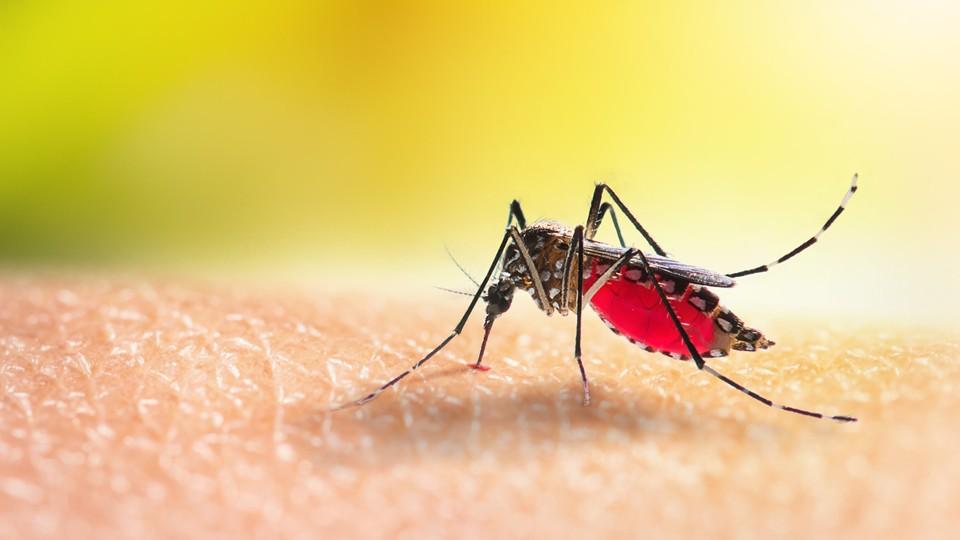
In 2023, there were around 263 million cases of malaria, a mosquito-borne disease that caused almost 600,000 deaths worldwide in the same year, according to World Health Organization (WHO) figures.
In the phase 3 trial involving 1,688 adults and children in 12 African countries, GanLum achieved a 97.4% PCR-corrected cure rate, compared to 94.0% with standard of care, which Novartis said is equivalent to cure rates of 99.2% and 96.7%, respectively, based on conventional analyses.
Additional analysis indicated the treatment was highly effective against mutant malaria parasites associated with partial drug resistance, and was effective against mature gametocytes, the sexual stage of the malaria organism’s lifecycle that is responsible for transmission to other hosts.
Ganaplacide is thought to work in a new way, disrupting internal protein transport systems that are essential for the parasite's survival inside red blood cells. It was discovered after screening 2.3 million molecules at Novartis' San Diego R&D facilities, and is being developed in partnership with the non-profit Medicines for Malaria Venture (MMV).
"GanLum could represent the biggest advance in malaria treatment for decades, with high efficacy against multiple forms of the parasite as well as the ability to kill mutant strains that are showing signs of resistance to current medicines," said Dr Abdoulaye Djimdé of the University of Science, Techniques and Technologies of Bamako, Mali.
"Drug resistance is a growing threat to Africa, so new treatment options can’t come a moment too soon."
Commenting on the announcement, Dr Alena Pance of the University of Hertfordshire in the UK, a specialist in cellular and molecular biology, said it is fantastic to see a new drug emerge that has the potential to counteract artemisinin resistance and interrupt transmission of the disease.
"It would be important to understand how effective ganaplacide is against all five species of Plasmodium parasites that infect humans and, importantly, whether there are secondary effects for patients taking the drug," she added.
In addition, Pance noted that the trial "included patients with uncomplicated malaria, the most common form of the disease, and it will be very interesting to find out whether this formulation of treatment can also be effective against severe and cerebral malaria, which very often lead to the death of the patients."
Top image by Rick Fairhurst and Jordan Zuspann of the US National Institute of Allergy and Infectious Diseases (NIAID).