Females with autoimmune disease 'less likely to be believed'
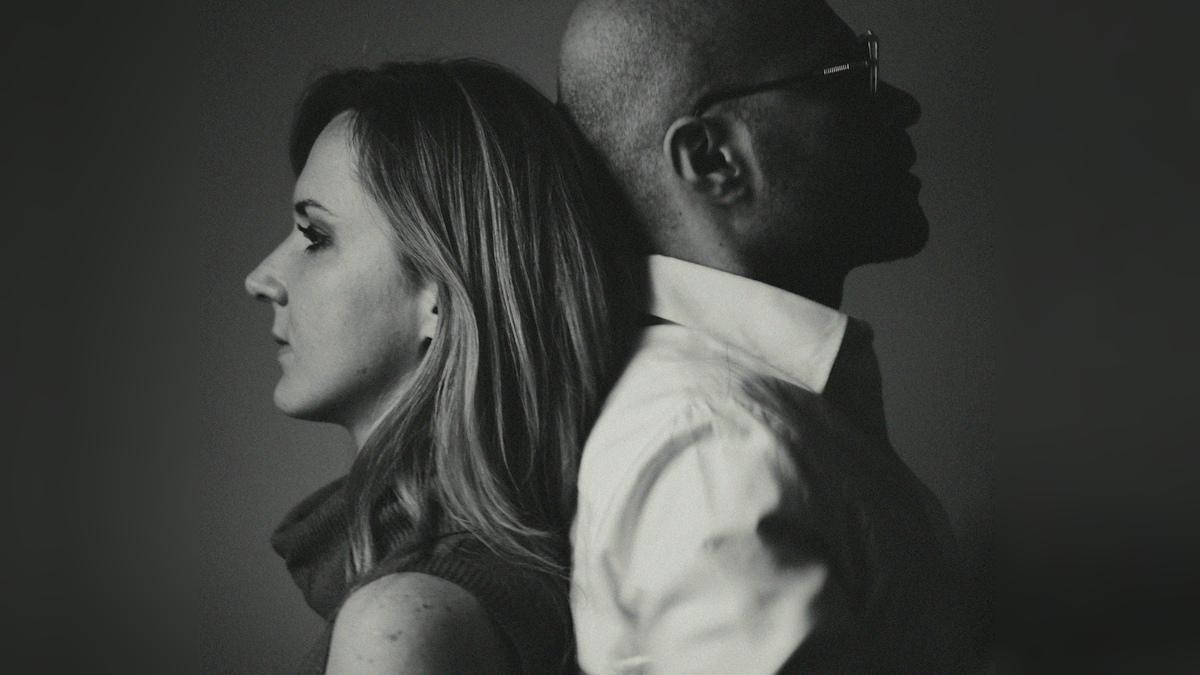
Women and girls with autoimmune diseases are much more likely to have their condition misdiagnosed as psychiatric or psychosomatic than their male counterparts.
That is the conclusion of a study involving more than 6,600 patients published in The Lancet's eClinicalMedicine journal, which also found that females were more likely to face delays in getting the correct diagnosis and treatment. They also needed more healthcare provider visits before an accurate diagnosis was achieved.
Using patient-reported diagnostic data to capture elements of the diagnostic journey not routinely documented in medical records, the researchers compared the experiences of patients with different biological sexes and diseases. For example, participants were asked about the time from symptom onset to diagnosis, the number of healthcare consultations they had, and the types of diagnoses they reported receiving before their autoimmune diagnosis.
The study found that 43% of females reported that their autoimmune symptoms had previously been misattributed to a psychiatric cause, compared with 33% of males, while a psychosomatic cause was blamed in 34% and 22%, respectively. Among males, the most frequently reported time to diagnosis was less than three months, whereas among females it was one to two years.
"Patients with autoimmune diseases can present with symptoms that can initially be difficult to explain medically, and sometimes it can take months or years before a diagnosis becomes clear," commented lead author Dr Melanie Sloan from the Department of Public Health and Primary Care at the University of Cambridge and Norwich Medical School, University of East Anglia.
"Our findings highlight that psychological or mental health explanations can be given too soon. This is true for both sexes, but our study suggests that females may be particularly vulnerable to these types of misdiagnoses."
There were some disparities in the other direction – with slightly more males than females reporting that their disorder was misdiagnosed as another physical condition, for example – but overall there was a clear division between the sexes that revealed a significantly more challenging diagnostic journey for females.
"The differences between the sexes in misdiagnoses for people with autoimmune diseases are stark," said co-author Shaista Tayabali, a patient advocate who lives with autoimmune disorder lupus and was diagnosed at 18.
"The fact that females reported higher rates of psychiatric and psychosomatic misdiagnoses than males, yet, reported lower misdiagnoses for other physical diseases, suggests that historical gender biases remain a challenging aspect of the diagnostic journey," she added.
"Although labels such as hysteria are outdated, and fortunately rarely used nowadays, as women we still often have a harder time having our symptoms believed and therefore addressed accurately."
The authors are calling for doctors to consider autoimmune diseases before any psychiatric or psychosomatic diagnoses are given, and suggest that clinicians may benefit from acknowledging diagnostic uncertainty, providing clear advice about when patients should seek further assessment, and revisiting previous diagnostic decisions when new symptoms or information emerge.
The study was funded by The Lupus Trust, Vasculitis UK, Sjögren's UK, Lupus UK and SRUK.
Photo by Alex Sheldon on Unsplash