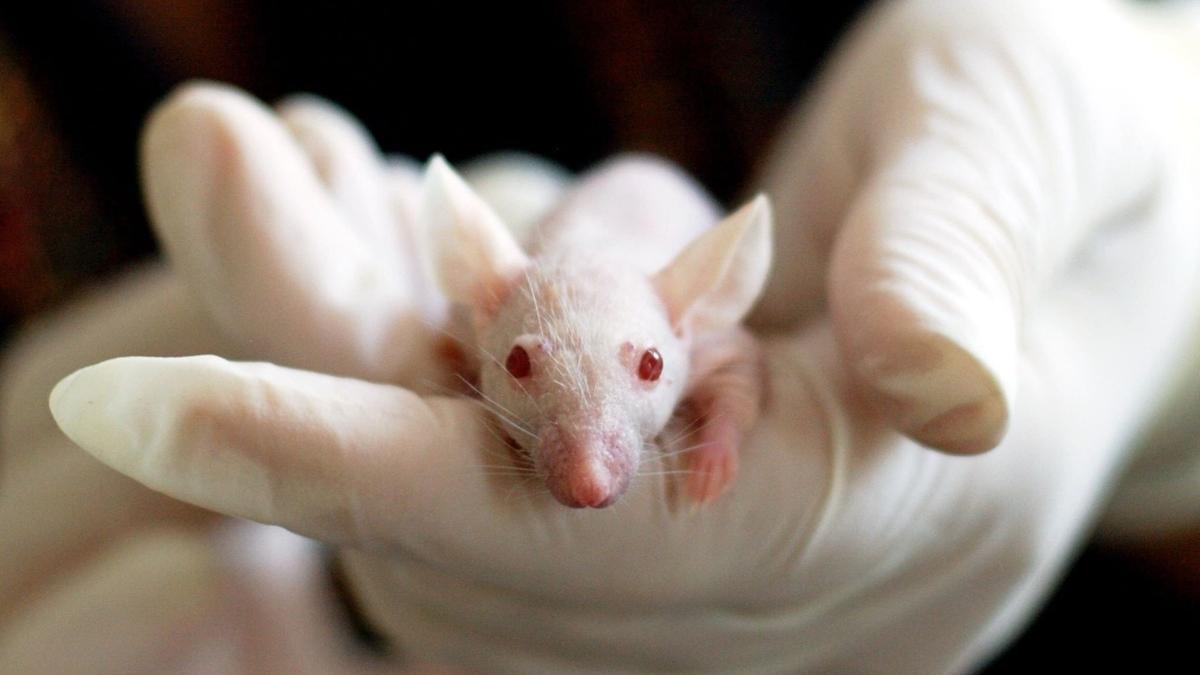
EMA seeks input on virtual alternative to animal test
The EU medicines regulator has backed a proposal designed to reduce the use of animals in medicines development by replacing them with virtual models.
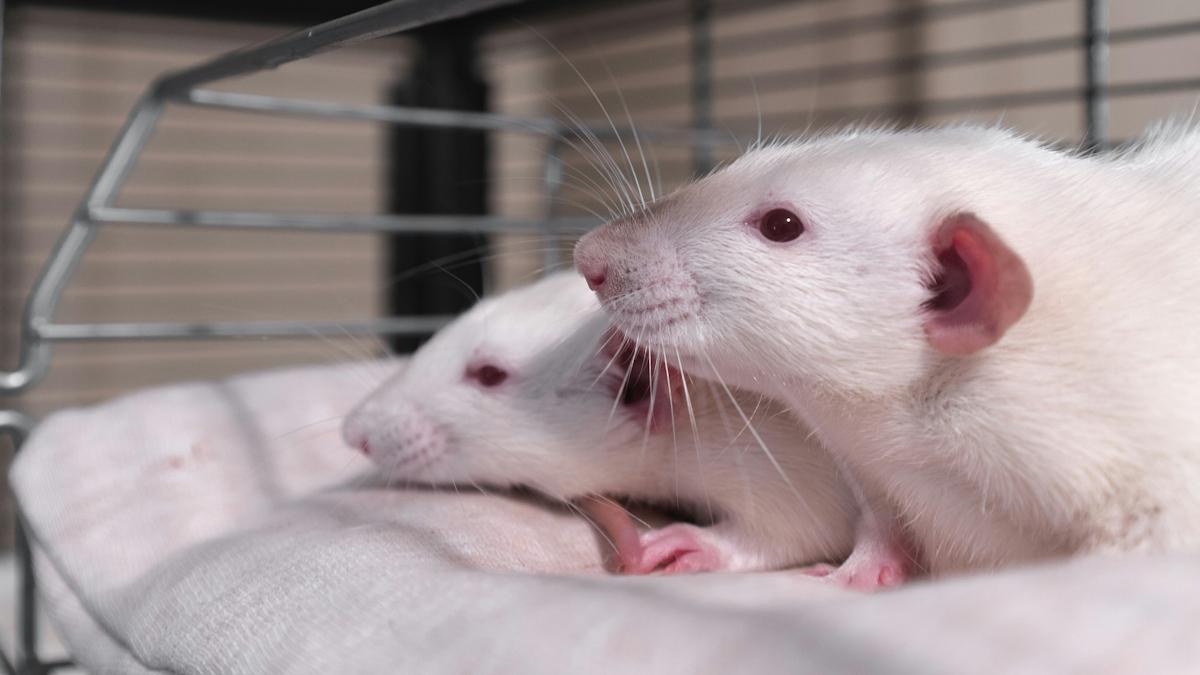
Specifically, the proposal covers the use of virtual control groups (VCGs) in place of rats in dose range finding (DRF) toxicology testing.
The draft qualification opinion (PDF) from the EMA details how this can be carried out, laying out the principle by which the CHMP human medicines committee can accept evidence generated using VCGs in regulatory filings, and is open for consultation until 12th May.
It is the first of a series of new approach methodologies (NAMs) for the reduction of animal testing that the EMA hopes to develop and, according to the regulator, "creates a blueprint for future applications."
The application to use VCGs in this way was filed by Synapse Research Management Partners – a biomedical consultancy – in collaboration with five pharma companies, and is a major milestone for the public-private VICT3R consortium dedicated to reducing animal use in toxicology research. VICT3R called the qualification "an important milestone in the qualification of the […] VCG concept."
"Potential iterations of the NAM could be qualified for use in toxicological studies where control groups are routinely required," it said in a statement. "Replacing control groups with 'virtual animals' in such studies would have a substantial impact on reducing the total numbers of animals used."
The move is part of a broader trend among regulatory authorities around the world to try to reduce the number of animals that have to be used in medical research, and follows guidance by the US FDA designed to help new drug developers to validate NAMs that more closely reflect human biology, using technologies like organ-on-chip devices, human cell lines, organoids, and computer modelling techniques.
The overall aim is to move away from the current default of using animal models toward more human-centric technologies that can more reliably predict human drug reactions before the clinical testing stages of development.
"Through the integration of virtual control groups, EMA also seeks to improve the relevance and predictability of non-clinical testing, which supports both more efficient and more ethically responsible medicines development," said the regulator.
Photo by riccardo ragione on Unsplash