Eisai, Biogen face delay to subcutaneous Leqembi
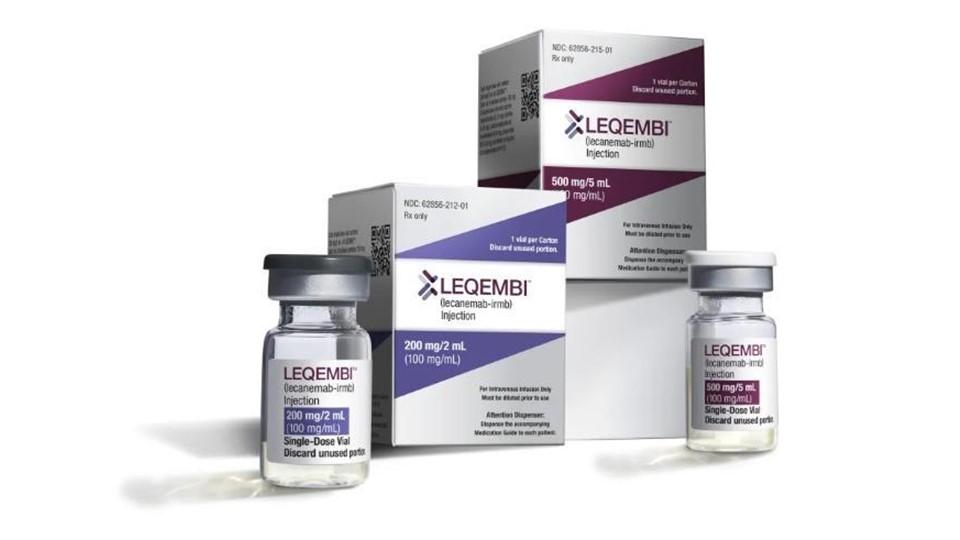
The FDA has extended its review of Eisai and Biogen's new subcutaneous formulation of Alzheimer's disease therapy Leqembi – seen as the key to accelerating its sales uptake – by three months.
Specifically, the FDA is delaying its verdict on once-weekly Leqembi Iqlik (lecanemab) as a starting dose for patients prescribed the drug until 24th August. The subcutaneous formulation of the anti-amyloid antibody is already approved as a maintenance therapy for those who have initially been treated with the original intravenous infusion.
According to Eisai and Biogen, the FDA has asked for additional information that constitutes a "major amendment" to the marketing application and so requires additional time for review. They stressed that the US regulator has "not raised any concerns to date regarding the approvability of Leqembi Iqlik as a starting dose."
First launched in early 2023, Leqembi's growth has been slowed by its modest efficacy and concerns about side effects, much like its only rival in the anti-amyloid marketplace, Eli Lilly's Kisunla (donanemab).
The approval last year of the subcutaneous version – along with the launch in its first European markets – seems to have allowed some momentum to build, however, with global sales rising 74% in the first quarter of this year to reach $168 million, of which $86 million came from the US.
The current label for Leqembi Iqlik requires patients to stay on the IV formulation with two-weekly infusion clinic visits for 18 months, followed by once-monthly maintenance infusions or a switch to Leqembi Iqlik. Analysts think being able to receive the drug at home from the start will unlock additional sales momentum.
In its first-quarter update, Biogen also said the majority of patients prescribed Leqembi have continued on treatment into the maintenance phase, with nearly 80% of patients still on therapy at 18 months and almost 70% at two years.
The company sees the ability to stay on treatment as a competitive advantage over Kisunla, whose label includes a set treatment duration, although Lilly argues that is cost-saving for health systems.
On the call, Biogen said the approval of the starting dose would be an inflection point for the drug. Chief executive Chris Viehbacher said he viewed it as "an opportunity to facilitate the care pathway, improve patient convenience, and improve our competitive profile versus Kisunla."
Lilly is not developing a subcutaneous version of Kisunla, but is instead working on a next-generation amyloid-targeting Alzheimer's drug, called remternetug, that is suitable for subcutaneous injection. Remternetug is in a pair of phase 3 trials (TRAILRUNNER-ALZ 1 and 2) that could start to generate results later this year.