Compounded tirzepatide recalled after FDA warning
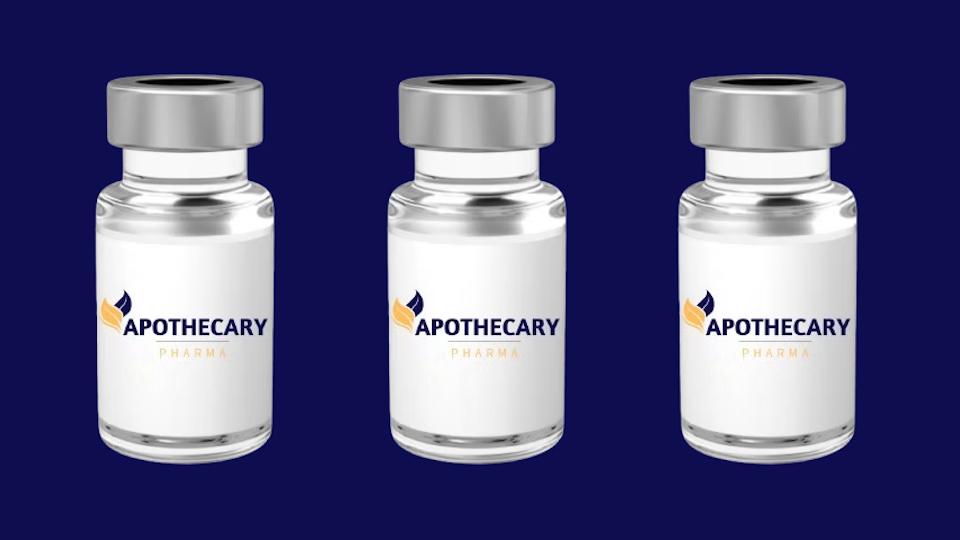
A compounded version of Eli Lilly's injectable weight-loss and diabetes therapy tirzepatide, produced and sold by Apothecary Pharma, has been recalled from sale in the US over sterility concerns.
The compounding pharma company, based in Cary, North Carolina, is recalling 22 18mg/mL, 4 mL sterile multi-dose vials of tirzepatide, according to an FDA notice.
The move follows a warning letter from the FDA in December 2025, which followed an inspection of Apothecary's facility at 1913 Evans Road in Cary and found "serious deficiencies in…practices for producing drug products intended or expected to be sterile, which put patients at risk."
In September of this year, Apothecary said it was launching a voluntary recall of compounded tirzepatide injection, notifying its customers by letter, and the FDA has subsequently labelled the recall as Class II, signifying a moderate risk of temporary or medically reversible adverse health consequences, though the risk of serious harm is low.
Lilly sells GIP/GLP-1 agonist tirzepatide as Mounjaro for type 2 diabetes (T2D) and Zepbound for obesity, with the two brands accounting for two-thirds of the company's total revenues in the second quarter of this year.
Earlier this year, the company warned the public against using compounded tirzepatide, saying that it does not sell or distribute tirzepatide to compounding pharmacies or other sources like medical spas and online retailers.
It said testing of compounded as well as counterfeit versions of the drug had revealed serious safety hazards, including bacterial contamination, altered chemical structures, high impurity levels, and in some cases, products containing no active ingredients at all.
The FDA meanwhile has heightened its scrutiny of compounded incretin therapies for weight loss and type 2 diabetes after a surge in manufacturing and sterility concerns.
There have been a number of prior recalls for compounded semaglutide – a GLP-1 agonist sold by Novo as Ozempic for T2D and Wegovy for weight loss – involving Apollo Care, Idexis, ProRx, and Aequita Pharmacy, as well as a raft of other warning letters accusing companies of selling unapproved versions of tirzepatide, semaglutide, and Lilly's still-experimental retatrutide.
Under US law, compounding pharmacies should not be able to sell copycat versions of the drugs since they were removed from the shortages list in late 2024/early 2025.
However, some companies have continued to provide the drugs to patients under exceptions for 'personalised' treatments under a framework known as Section 503A, which allows them to make the drugs in small quantities for patients whose needs – they claim – are not met by a standard formulation.
Tactics deployed by the companies to maintain sales include modifying the dosage strength, removing an allergen or preservative, and combining the active ingredient with another component, such as vitamin B12.
Various lawsuits between the pharma groups and compounding companies are ongoing over the products.