CHMP backs Ipsen drug for childhood brain cancer
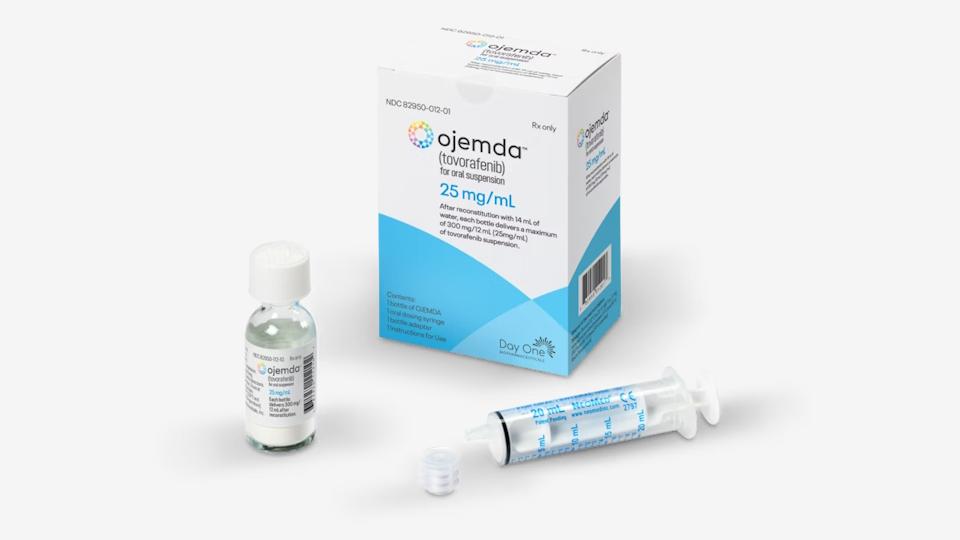
Ipsen's Ojemda is on course to become the first targeted medicine in the EU for some children with a form of brain cancer known as low-grade glioma, after it was recommended for approval by the EMA's human medicines committee.
Specifically, the CHMP has backed conditional marketing authorisation for Ojemda (tovorafenib) as a monotherapy for children aged six months and older with BRAF-altered paediatric low-grade glioma, irrespective of the type of BRAF alteration, which has worsened despite previous treatment with one or more systemic medicines.
A BRAF-directed drug regimen is already approved in the EU for this type of cancer, namely Novartis' BRAF inhibitor Finlee (dabrafenib) and MEK inhibitor Spexotras (trametinib), but is only licensed for the treatment of people whose tumours have BRAF V600E mutations.
Gliomas are the most common type of brain cancer in children and young adults and, while survival is generally high, many patients experience serious long‑term complications affecting vision, movement, learning, and overall development, said the EMA.
Analysts at JPMorgan have previously suggested Ojemda could become a $750 million-a-year product in the US market alone, thanks to its broader label than Novartis' drug, a better safety profile, and reduced dosing frequency. The new product can be given as an oral dose, either a liquid suspension or tablet, once a week, while Finlee/Spexotras (known as Tafinlar/Mekinist in some markets) needs to be dosed twice a day.
In the supportive FIREFLY-1 trial, Ojemda achieved an overall response rate (ORR) of 52.6%, said the EMA, with an average duration of response of 18 months. There were no complete responses, but 37% had a partial response, with their tumours reduced in size by at least half and no new lesions. A minor response (25% to 49% reduction in tumour size and no new lesions) was recorded in 14% of patients.
Ipsen acquired rights to Ojemda outside the US from Day One Biopharmaceuticals in 2024, paying $111 million upfront with almost $350 million at the back end in launch and sales-related milestone payments, as well as royalties on sales.
The company has estimated that more than 800 new cases of BRAF-mutated low-grade glioma are diagnosed in children in the EU every year. At the moment, it said, the treatment journeys for these patients are "complex, often involving invasive surgeries, multiple lines of intensive chemotherapy and radiotherapy over many years, leading to lifelong health issues and developmental complications."
Ipsen also has aspirations to broaden the label for Ojemda, and is currently running the FIREFLY-2 study of the drug as a monotherapy for newly diagnosed children and young adults aged up to 25 with RAF-altered low-grade glioma requiring first-line systemic therapy.