Bayer gets swift review for Kerendia in type 1 diabetes
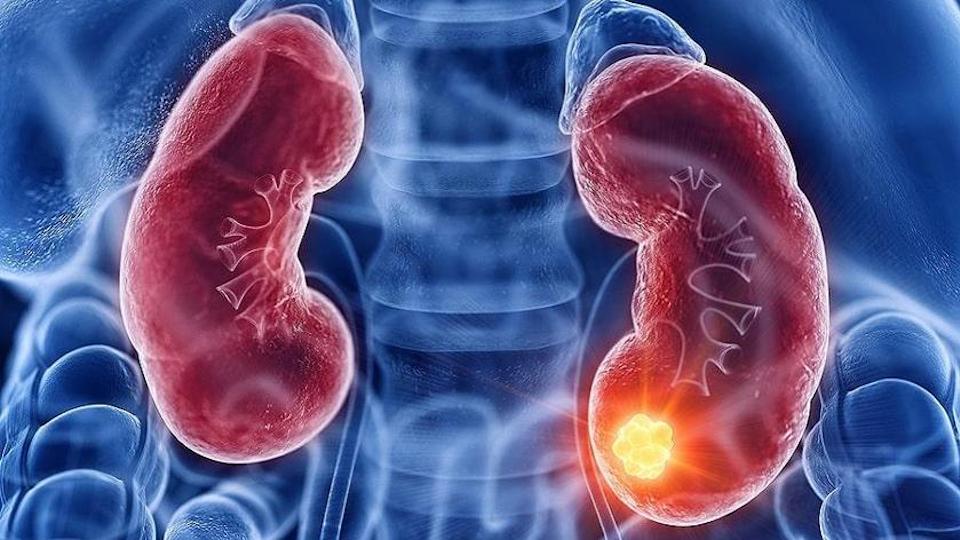
Epic Health
Bayer has filed to modify the label for its chronic kidney disease (CKD) Kerendia to include people with type 1 diabetes, extending its current use in type 2 forms of the disease.
The FDA has granted a priority review to the just-accepted application for mineralocorticoid receptor antagonist (MRA) Kerendia (finerenone), so it should deliver a decision in six months.
If approved, Kerendia will be the first new treatment option in over 30 years for adults with CKD associated with T1D, according to Bayer, which said that around 30% of people with this type develop CKD, which raises their risk of other complications such as kidney failure and cardiovascular disease.
The filing comes on the back of the phase 3 FINE-ONE study, which showed that adding Kerendia to standard care for patients with T1D and CKD resulted in a significantly greater decrease in the urinary albumin-to-creatinine ratio (UACR) – a biomarker for kidney damage – compared to placebo.
Published in the New England Journal of Medicine in March, the 242-subject trial found that after six months, Kerendia reduced the UACR by 34%, compared to 12% with placebo, and also improved the estimated glomerular filtration rate, a measure of kidney function.
Extending the label for Kerendia is a strategic priority for Bayer, which is relying on the drug and a handful of other new products to help it to weather the loss of patent protection and declining sales for anticoagulant Xarelto (rivaroxaban), as well as competitive pressure on eye drug Eylea (aflibercept).
It is one of the company's fastest-growing brands, with sales up 84% in the first quarter of this year to €274 million ($318 million) from its use in CKD associated with T2D, as well as some patients with heart failure, setting it firmly on course to breach the $1 billion blockbuster threshold for the first time this year.
While T1D is a smaller market than T2D, it remains a sizeable opportunity and will lend additional momentum to the brand as Bayer as it also works towards a further extension of its label to include non-diabetic patients with CKD, based on the results of the FIND-CKD study.
On Bayer's first-quarter results call, chief executive Bill Anderson said: "Once approved in these additional indications, Kerendia has the potential to help patients in both heart failure and across a wide spectrum of chronic kidney disease, including in areas where there aren't many alternative options today."
CKD is a massive health issue worldwide, with around 850 million people living with the disease, of whom around half do not have diabetes.
Image sourced from Epic Health