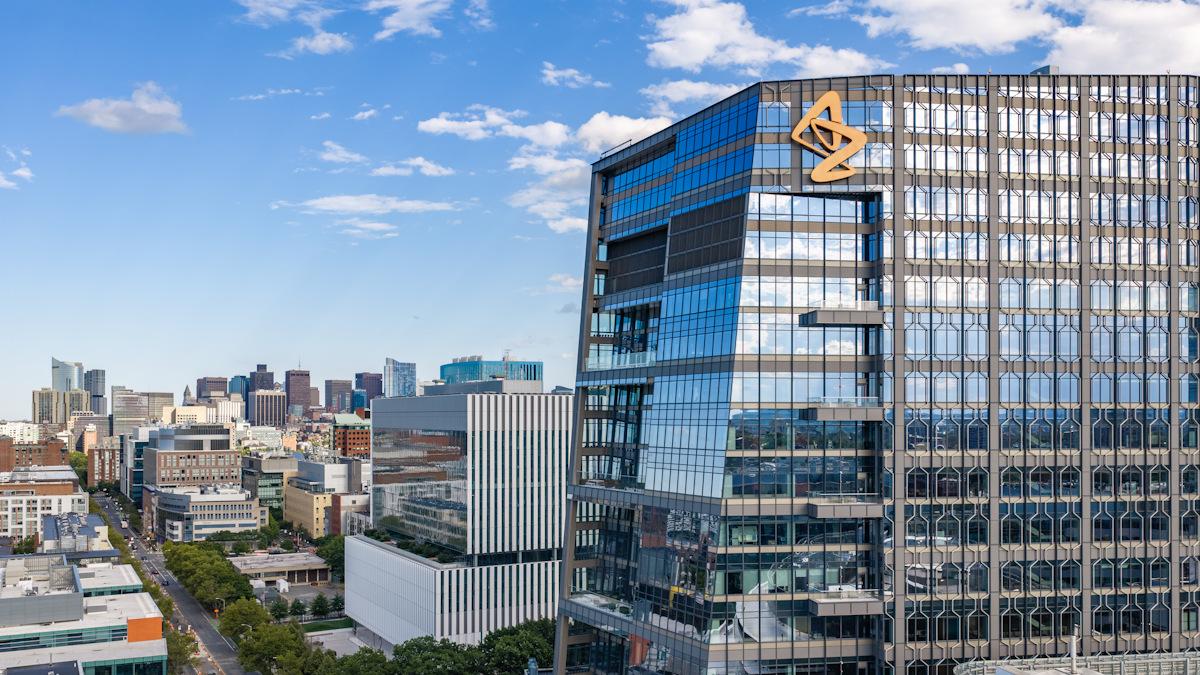
AZ will invest £300m in UK, says PM Keir Starmer
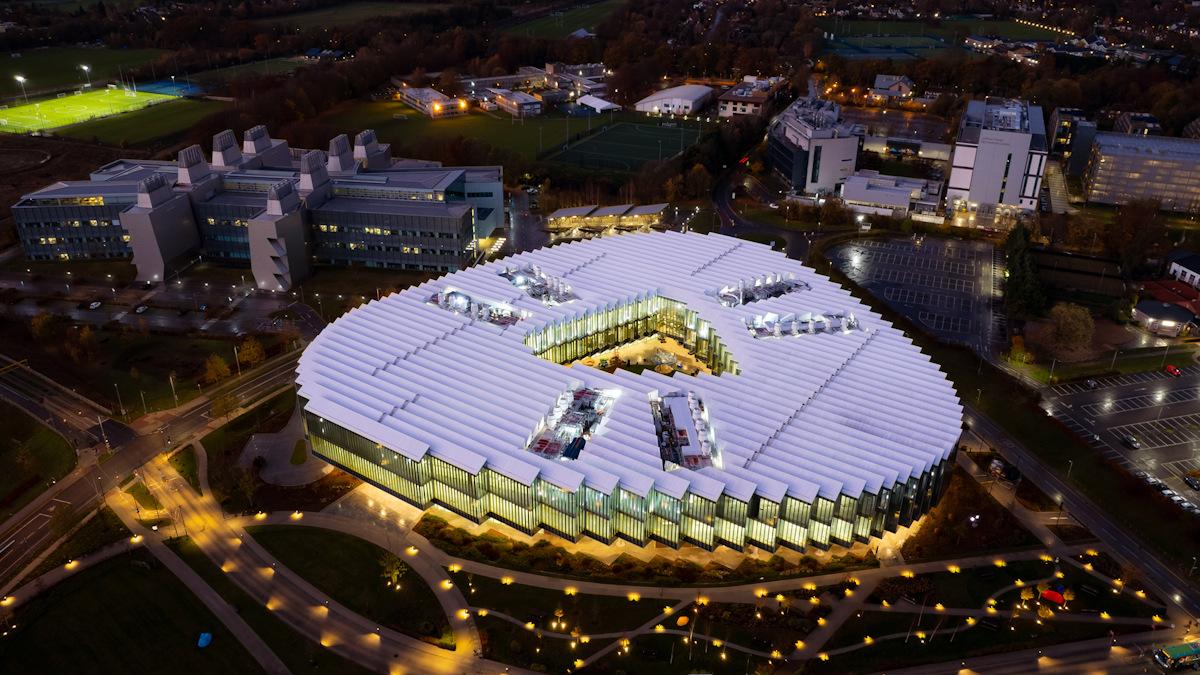
AstraZeneca's Discovery Centre in Cambridge.
AstraZeneca has delivered a much-needed boost to the UK government alongside a strong set of first-quarter results, pledging to spend £300 million ($405 million) on investments in the country.
In a statement, Prime Minister Keir Starmer said the "significant investment" had been "made possible by the pharmaceutical arrangement we have struck with the US" and would "future-proof thousands of jobs in Macclesfield and in Cambridge."
The announcement comes after AZ abandoned plans to build a £450 million vaccine manufacturing facility at its site in Speke, Liverpool, and paused a £200 million expansion of its Cambridge R&D hub that was slated to create 1,000 jobs. Those decisions came against the backdrop of a $50 billion investment programme in the US.
"That is a major vote of confidence in the UK and Labour's plans to strengthen our economy," Starmer told MPs. The specifics of the investment programme have not yet been revealed.
The plan follows the signing of a trade agreement with the Trump administration that will maintain tariffs on pharmaceutical imports to the US at 0%, but will also see the prices of medicines used by the NHS go up as a quid pro quo.
Richard Torbett, CEO of the Association of the British Pharmaceutical Industry (ABPI), welcomed the news of AZ's commitment, which comes shortly after the launch of Boehringer Ingelheim's £150 million AI accelerator in London's King's Cross, saying that April has been "a remarkable month for UK life sciences."
He pointed out that since the UK-US trade deal was announced, there have been 13 pharma investment commitments across the UK, totalling £1.575 billion in inward investment.
"Just six months ago, the picture looked very different. Several major companies had paused or withdrawn significant investments, citing a UK environment that was not internationally competitive," said Torbett.
"When companies believe that the medicines they develop will be properly valued and made available to NHS patients, they invest. While there is more to do, we are starting to see that positive feedback loop that we’ve all been trying to achieve."
In its first-quarter results update, AZ revealed an impressive 12% rise in revenues to $14.38 billion – or 7% at constant exchange rates – which chief executive Pascal Soriot said was down to "consistent commercial execution" and keeps the company on track to meet its target of raising annual revenues to $80 billion by 2030.
The growth was driven by double-digit gains for oncology and rare disease treatments, including a 30% rise for Daiichi Sankyo-partnered cancer drug Enhertu (trastuzumab deruxtecan) to $1.44 billion, with AZ's share rising 40% to $831 million. Top-selling rare disease therapy Ultomiris (ravulizumab) grew 18% to $1.27 billion.
Turning to the pipeline, AZ also said it had reported positive results for four phase 3 programmes in the first quarter of the year, including tozorakimab in chronic obstructive pulmonary disease (COPD), efzimfotase alfa for ultra-rare bone disorder hypophosphatasia, Ultomiris in immunoglobulin A nephropathy (IgAN), and cancer immunotherapy combination Imfinzi (durvalumab) and Imjudo (tremelimumab) in liver cancer, which Soriot said were "high-value readouts."
He added: "We continue to invest in our commercial capabilities as we prepare for multiple launches, look forward to further readouts anticipated this year, and remain on track to achieve our ambition for 2030 and beyond."