AZ prepares to file blood pressure drug after trial win

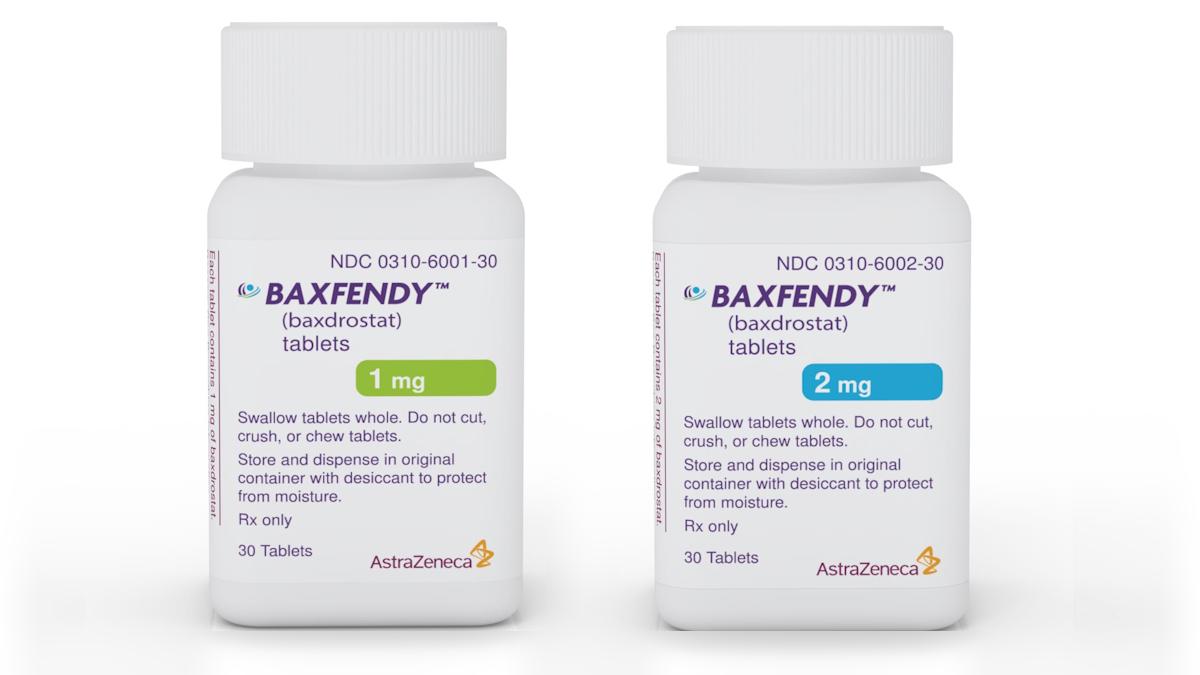
Two years after buying CinCor Pharma for $1.3 billion, AstraZeneca has reported that the main asset in the deal, for uncontrolled or treatment-resistant hypertension, has cleared a phase 3 trial.
Top-level results from the BaxHTN study showed a "statistically significant and clinically meaningful" reduction in mean seated systolic blood pressure after 12 weeks when once-daily oral aldosterone synthase inhibitor (ASI) baxdrostat was added to patients' existing blood pressure treatment.
The readout is particularly welcome for AZ as baxdrostat (formerly CIN-107) showed mixed results in earlier hypertension studies. The company has gambled on its potential in treatment-resistant hypertension and follow-up indications; namely, chronic kidney disease (CKD) and heart failure.
The latter indications raise the prospect of combined use with AZ's big-selling cardiorenal drug Farxiga (dapagliflozin), approved for both CHK and heart failure indications, but is facing the prospect of generic competition in the latter half of this decade.
Results of the BaxHTN study will be presented in full at a forthcoming medical conference, which will be an opportunity to compare the data with the phase 3 Advance-HTN study of Mineralys' rival oral ASI lorundrostat, which was presented at the American College of Cardiology (ACC) meeting earlier this year, and the earlier Launch-HTN study.
Advance-HTN showed that a once-daily dose of lorundrostat lowered 24-hour systolic blood pressure at week 12 by 15.4 mmHg, 7.9 mmHg more than placebo, at a once-daily dose of 50mg, while higher doses worsened side effects, including elevated blood potassium.
Launch-HTN, meanwhile – a real-world assessment of the drug – revealed a 19.0 mmHg absolute and 11.7 mmHg placebo-adjusted reduction in blood pressure at the same timepoint.
There are differences in the baxdrostat and lorundrostat trial protocols, which will have a bearing on any comparisons between the drugs as they vie to become the first ASI to reach the market for hard-to-control high blood pressure.
BaxHTN evaluated the ASI in patients with uncontrolled hypertension being treated with two different antihypertensive medications and patients with resistant hypertension being treated with three or more different antihypertensive medications, one of which is a diuretic. For comparison, Advance-HTN enrolled patients with uncontrolled hypertension who were receiving two to five antihypertensive medications.
There are 1.3 billion people worldwide living with hypertension, and in the US approximately 50% of them cannot control their blood pressure despite multiple treatments.
Last year, Idorsia Pharma claimed FDA approval for Tryvio (aprocitentan) as the first endothelin receptor antagonist for resistant hypertension, adding to the well-established treatment options for patients based on diuretics, calcium channel blockers, and renin-angiotensin system-targeting drugs.
Commenting on the new data, AZ's head of biopharmaceuticals R&D, Sharon Barr, said the results show the potential of baxdrostat to bring "a novel mechanism to a field that has seen little innovation in over two decades."
If AZ does file for approval of baxdrostat in the US or Europe, CinCor shareholders are in line for an additional $500 million payment, taking the total value of the acquisition to $1.8 billion.
Photo by Roman Kraft on Unsplash