Australia first for Hansa’s Idefirix in commercial kidney transplant
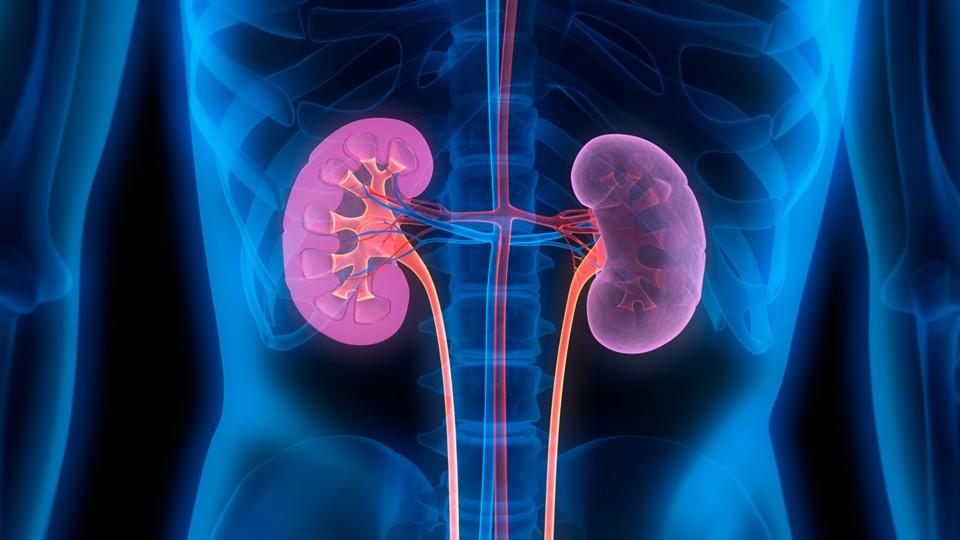
Lund, Sweden-based Hansa Biopharma AB has announced that the first commercial patient in Australia has received a living donor kidney transplant following treatment with Idefirix (imlifidase), consistent with the indication approved by the Therapeutic Goods Administration (TGA).
Idefirix is approved in Australia as a desensitisation treatment of highly sensitised adult kidney transplant candidates who have a positive cross-match against a living or a deceased donor.
Across the US and Europe, highly sensitised patients comprise around 10-15% of the total of patients on transplant waiting lists, according to the Organ Procurement and Transplantation Network (OPTN) and Scientific Registry of Transplant Recipients (SRTR). Highly sensitised patients have pre-formed antibodies called donor specific antibodies (DSAs) with a broad reactivity against human leukocyte antigens (HLAs), which can cause tissue damage and potentially transplant rejection, according to a Eurostam Report.
The presence of DSAs means that highly sensitised patients tend to have limited or no access to transplant, as finding a compatible donor organ can be particularly challenging. The complexity of their immunological profile means that highly sensitised patients spend longer time than average on transplant waiting lists, with evidence showing that this longer time waiting for a suitable donor relates to an increased mortality risk.
Imlifidase is an antibody-cleaving enzyme originating from Streptococcus pyogenes that specifically targets and cleaves immunoglobulin G (IgG) antibodies and inhibits IgG-mediated immune response. It has a rapid onset of action, cleaving IgG-antibodies and inhibiting their activity within hours after administration.
Renée Aguiar-Lucander, CEO of Hansa – who was named one of Sweden’s Most Influential Business Women of 2026 in May by Dagens industry – commented: “This first commercial living donor transplant patient in Australia represents an important milestone for Hansa and for patients facing significant barriers to transplantation. We look forward to continued collaboration with the Australian transplant community to build experience with Idefirix across both living and deceased donor transplantations.”
Patient outcomes will be documented through an established registry in Australia. Data from real-world clinical use will be collected and may contribute to future scientific publications, and help to further the understanding of the use of Idefirix in living donor transplants.
Imlifidase is conditionally approved in the European Union, Norway, Liechtenstein, Iceland, and the UK under the tradename Idefirix for the desensitisation treatment of highly sensitised adult kidney transplant patients with a positive cross-match against an available deceased donor, as well as in Israel and Switzerland.
In March this year, the FDA started its review of imlifidase, with a decision due before the end of the year. Hansa had asked the FDA to consider a priority review of its biologics licensing application (BLA) for imlifidase, which was filed in December 2025, but it appears that was turned down, setting back a decision date from August to 19th December this year.
The Swedish company is also developing imlifidase as an enabling therapy for people undergoing gene therapy by preventing the formation of antibodies against the viral vectors used to deliver them, with encouraging initial results, although, a study in anti-glomerular basement membrane (anti-GBM) disease was negative.