Anthropic puts life sciences at heart of new AI model
AI company Anthropic has launched a new large language model (LLM) – Claude Fable 5 – claiming its capabilities as a tool for drug discovery and scientific research gives it a big lead over other platforms.
The autonomous AI is the first to be released based on Anthropic's top-tier Mythos 5 model, which the company has previously said it could not make public because it was too risky, due to its ability to outperform humans at some hacking and cybersecurity tasks.
Still, the launch was swiftly greeted with a backlash from AI researchers after it emerged that it would use "safeguards" to reroute users who asked questions in some areas, including biological and chemical research and cybersecurity, to an earlier, Opus-class AI model with lesser capabilities.
The company said that the measure is intended to prevent misuse of the AI – to build biological weapons or assist cyberattacks, for example – but researchers were incensed that in some cases the downgrade would happen invisibly. According to a Wired report, Anthropic has now backtracked on that plan and will now issue an alert to users whose requests are being rerouted.
One former Anthropic principal scientist, Behnam Neyshabur, was scathing about the move in a social media post, writing: "Working on AI for cancer? Sorry, I can't help you. Working on AI for Alzheimer's Disease? Sorry, I'm becoming a bit dumb when it comes to the AI part of it."
Anthropic said that its testing shows that 95% of cases, Claude Fable 5 handled the responses without rerouting to Opus 4.8, and added that "we're working to improve our safeguards and reduce false positives as quickly as we can."
That controversy aside, Anthropic has been extolling the qualities of Claude Fable 5 as a tool for drug design, saying in a blog post that the Mythos 5-powered version "accelerated aspects of the drug design process by around ten times," and matched or beat skilled human operators when working autonomously with no human assistance, on functions like "choosing binding sites, selecting and running protein design tools, and recovering from failures along the way."
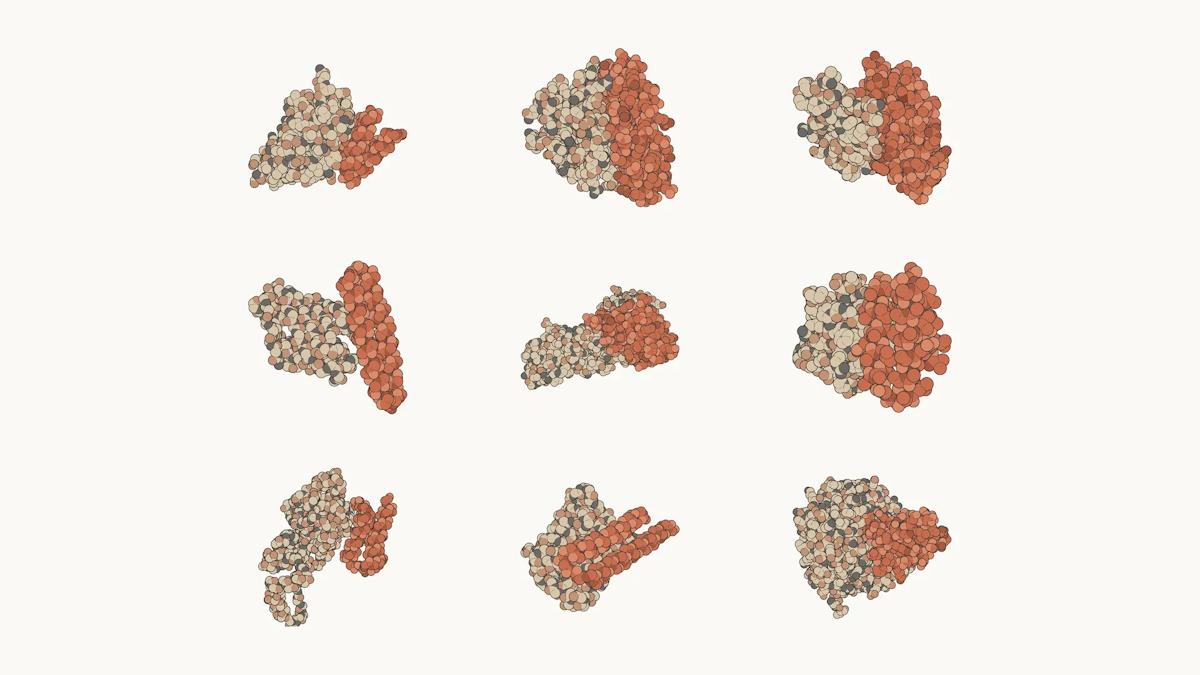
The platform produced promising drug candidates for nine of 14 protein targets, which are being further evaluated, said the company.
It also pointed to a step up in the Mythos 5-based model's ability to come up with novel hypotheses in molecular biology and genomics, saying that one hypothesis – a protein in Escherichia coli bacteria that could represent a new target for antimicrobial therapies – has already been validated in lab testing.
Another project attempted to overcome a challenging step in designing adeno-associated virus (AAV) vectors for gene therapies, using candidates provided by Dyno Therapeutics, examining how AIs could predict how a genetic modification would impact the assembly of the virus's outer shell.
Anthropic said the AAV project "demonstrates a promising ability to complete simple but important tasks in gene therapy research and development," but "in the wrong hands, could enable the design of dangerous viruses."
Claude Fable 5 has launched at a cost of $10 per million input tokens and $50 per million output tokens.