AI spots drugs that may be repurposed for priority pathogen
Researchers have used AI algorithms to sift through thousands of drug molecules and identify candidates that could have activity against resistant infections caused by the bacterial pathogen Streptococcus pneumoniae.
The team, led by Imperial College London associate professor Pedro Ballester, used three AI algorithms – trained on drugs known to be active and inactive against resistant bacteria – to whittle down almost 7,000 approved or investigational drugs with potential activity against S. pneumoniae, coming up with 11 candidates.
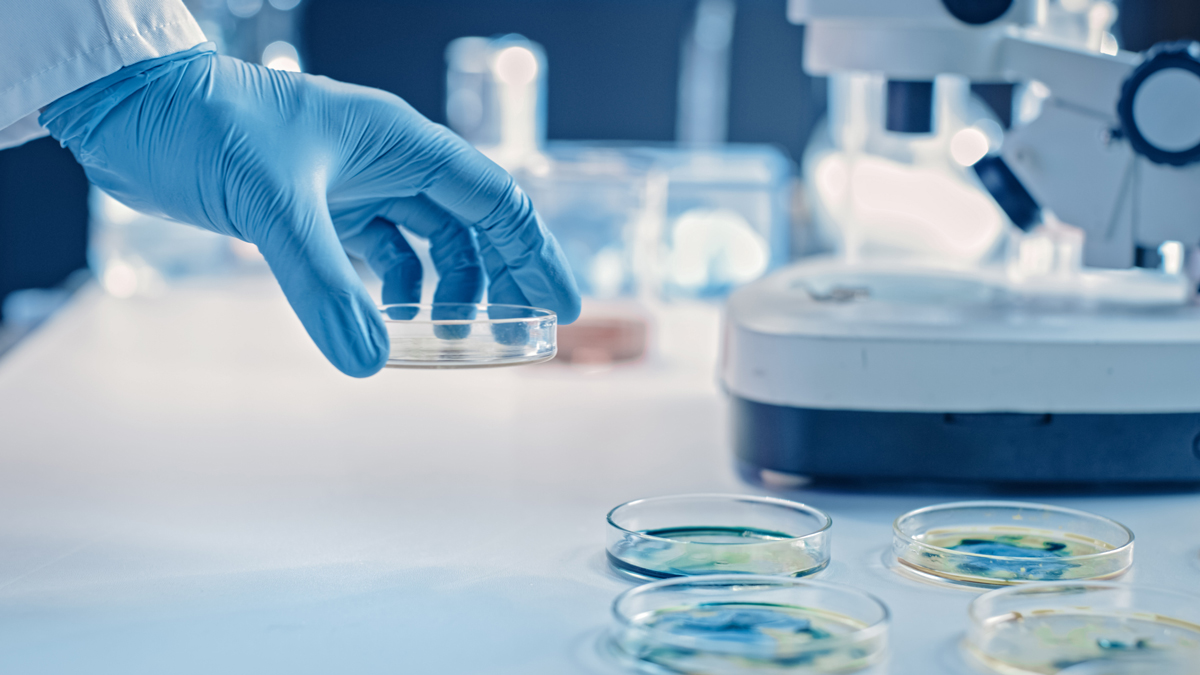
Of the 11 selected candidate antibiotics, nine were found to strongly reduce growth of S. pneumoniae in lab testing and one – a cephalosporin called thiostrepton only used in veterinary medicine – remained highly potent even against multidrug-resistant (MDR) strains of the bacterium.
"AI-guided drug repurposing has become a powerful strategy for combating antimicrobial resistance, particularly for pathogens for which some active molecules are already known and can be leveraged as a training or fine-tuning dataset," said Ballester.
The prevalence of antimicrobial resistance (AMR) against S. pneumoniae – which is a major global public health concern that threatens the treatment of common and severe infections like pneumonia, meningitis, and sepsis – makes it a priority for the development of new antibiotics.
The World Health Organisation (WHO) has highlighted MDR S. pneumoniae as a critical global priority requiring urgent new treatments and better stewardship, as a rising proportion of isolates are showing resistance to three or more distinct classes of antibiotics.
Traditional treatment relies heavily on beta-lactams, such as penicillin, and macrolides like erythromycin and azithromycin, with fluoroquinolones used as alternative agents, but resistance to both beta-lactams and macrolides is widespread and increasing.
The researchers, who have published their findings in the open-access journal Advanced Science, reckon this is the first time that AI has been deployed to try to find drugs that could be repurposed against S. pneumoniae, reducing the time and cost of finding new treatments while reducing the risk of failure.
They note that the use of three separate AI models showed they complemented each other in the selection of candidate drugs, making them more efficacious together than individually.
"These findings underscore the benefits of using AI models to identify novel drugs and rationally select drugs with the highest potential for repurposing," according to the authors. "In a field like antimicrobial resistance, where there is an urgent need for effective compounds, AI-driven computational drug repurposing is a streamlined and affordable strategy with demonstrated success."