AbbVie bids to join the BCMA crowd with etentamig
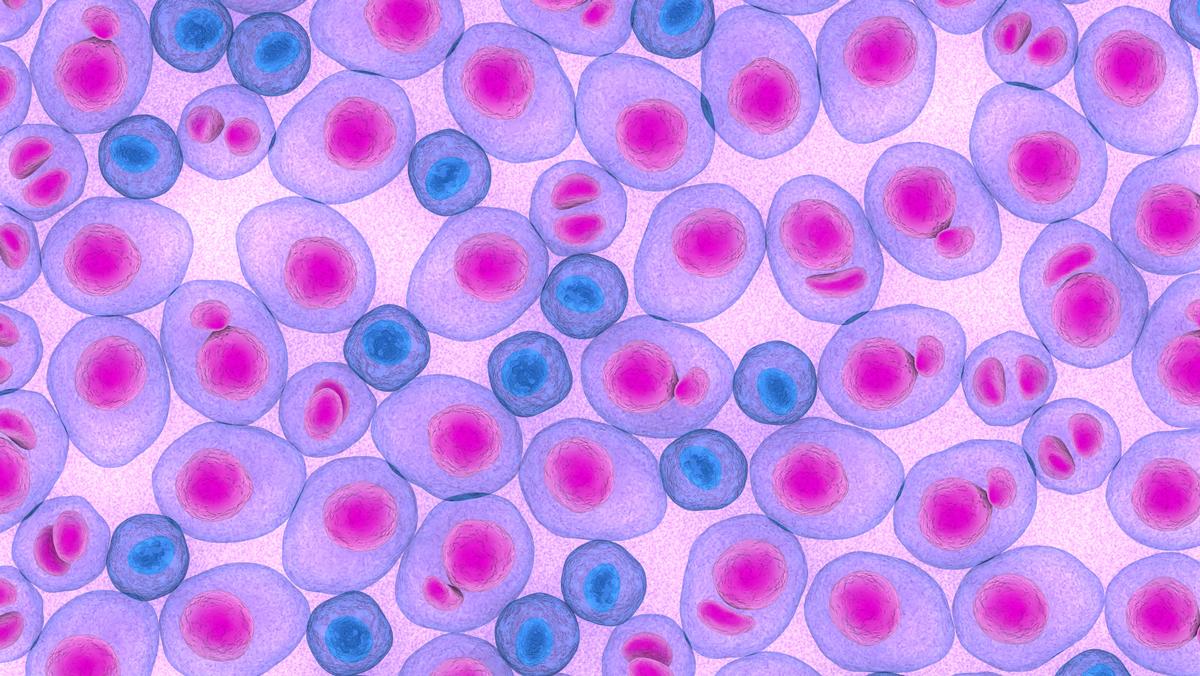
AbbVie has filed for FDA approval of its T-cell engager (TCE) etentamig in relapsed or refractory multiple myeloma, a key pillar of its strategic expansion into oncology.
The drug, described as a "second-generation" BCMAxCD3 bispecific antibody, has been submitted as a therapy for triple-class exposed multiple myeloma patients who have had at least two prior lines of therapy, based on the results of the phase 3 CERVINO trial reported last month.
In a statement, AbbVie said that etentamig has a clinical profile and dosing schedule "that can potentially support treatment across a broad range of settings, including in community-based care," as it tries to build a role for the drug in the increasingly crowded market for BCMA-directed multiple myeloma therapies.
There are already three FDA-approved BCMAxCD3 bispecific TCEs on the US market – Johnson & Johnson's Tecvayli (teclistamab), Pfizer's Elrexfio (elranatamab), and Regeneron's Lynozyfic (linvoseltamab) – as well as other BCMA-targeted therapies like GSK's antibody-drug conjugate (ADC) Blenrep (belantamab mafodotin) and two CAR-T cell therapies, Bristol Myers Squibb's Abecma (idecabtagene vicleucel) and J&J's Carvykti (ciltacabtagene autoleucel).
That could pose a big challenge to AbbVie, but the company thinks etentamig's simple, once-monthly dosing schedule could set it apart from the other bispecifics, which currently need weekly or biweekly dosing as well as more doses in the induction stage of treatment.
AbbVie said there was no doubt that BCMA therapies have transformed the treatment of multiple myeloma, but "their broader adoption may be limited by adverse events such as cytokine release syndrome, infections or neurotoxicity, as well as specialised administration and monitoring requirements."
In CERVINO, which showed an objective response rate (ORR) of 74% with etentamig, compared to just under 46% for the control group treated with standard regimens, AbbVie's drug was also associated with a fairly low rate of cytokine release syndrome (CRS), which is a recognised side effect of TCE and CAR-T therapies for multiple myeloma.
"Multiple myeloma is a chronic blood cancer that can reshape a person's life. Patients deserve therapeutic options that are not only effective, but also support the realities of when, where and how they receive treatment," said Daejin Abidoye, head of oncology, solid tumour, and haematology – at AbbVie.
"This milestone brings us a step closer to potentially delivering a novel, patient-centred treatment option with a manageable safety profile," he added.
Analysts have said that etentamig could be a future blockbuster with $1 billion-plus in annual sales, despite the crowded category in relapsed/refractory multiple myeloma.
AbbVie has been pushing into new areas like oncology and neuroscience after coming under pressure in its core immunology and inflammation (I&I) therapeutic category due to patent expirations.
The company added etentamig to its pipeline through a $90 million upfront deal with TeneoOne in 2021, and has since added additional multispecific candidates through licensing deals with Ichnos Glenmark Innovation and Simcere Zaiming.