Radiology has been optimising the wrong metric
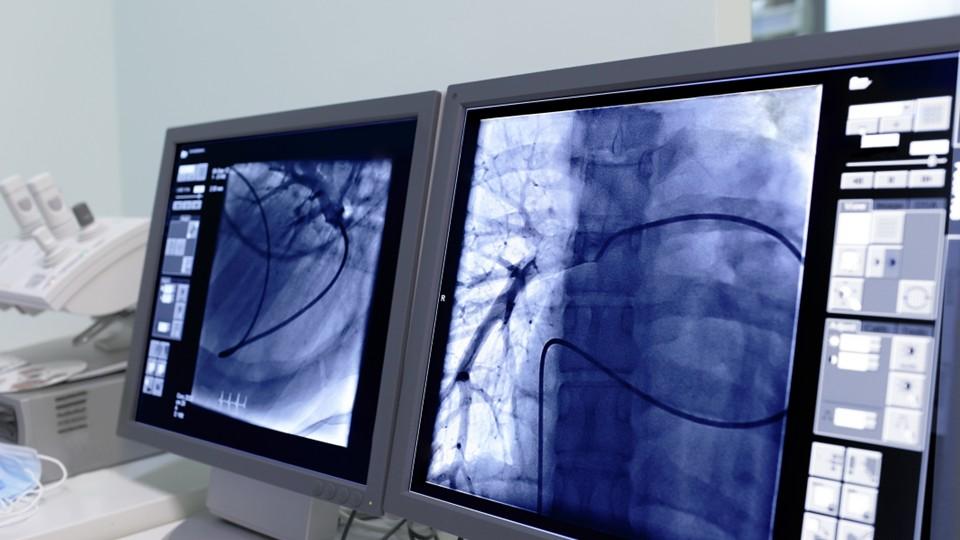
Radiology has traditionally treated its workforce shortage as a speed problem. Imaging volumes continue to rise, specialists remain scarce, and every radiologist is expected to interpret more scans in less time.
Report turnaround time has become a key metric for diagnostic centres, shaping much of the automation built around their work. But what if speed is not the metric we should be focusing on?
When the right expertise is out of reach
During the day, a child's scans might be reviewed by a paediatric radiologist, whereas at night or on weekends, the task falls to a generalist. This can directly impact diagnosis and treatment. For instance, paediatric radiologists re-examined 464 scans performed during on-call shifts and disagreed with the initial interpretation in roughly one in five cases. In 57% of those instances, the revised diagnosis could have altered the child's treatment.
At the same time, the availability of paediatric radiologists at university hospitals dropped from 92% during standard working hours to 18.5% during on-call periods.
A similar situation exists in neuroradiology. In 2026, only 36% of NHS units in England could provide round-the-clock urgent MRI services and neuroradiologist consultations. Over a decade, demand for MRI scans rose by 68%, while equipment availability varied nearly fourfold across the country.
Other subspecialties face their own access gaps. In 2026, Brisbane’s Wesley Breast Clinic stopped accepting new referrals because it could not recruit enough breast imaging radiologists. The clinic serves around 14,000 patients a year and has been prioritising women with symptoms or a high risk of breast cancer. In contrast, some existing patients have been encouraged to seek imaging elsewhere.
Some of these gaps clearly reflect a specialist shortage. Others raise a broader question: how much of the shortage comes from the number of radiologists, and how much from the way their expertise is distributed? A specialist may exist elsewhere in the healthcare system, work different hours, or spend time on cases that require less specialised knowledge.
From individual speed to system throughput
The usual response to rising imaging volumes is to ask every radiologist to report faster. Turnaround time and reports per hour are easy to measure, so, many workflow tools focus on saving a few minutes on each case. This approach assumes the system's capacity depends mainly on each doctor's speed.
This becomes clearer when we look at ride-hailing services. A driver can increase efficiency by completing each trip faster. Uber has a different approach: it reduces the time drivers spend waiting between trips by matching available cars with passengers across the network.
UberX drivers spent 30% more of their working time with passengers, while paid mileage was 50% higher. The researchers attributed this to the platform’s more efficient matching system and its ability to adjust available cars to demand. Simply put, UberX cars spent less time sitting idle and more time completing rides.
Radiology can make a similar shift. A radiologist may spend the same amount of time reading each scan while the system completes more studies. The central metric should expand from individual reporting speed to the throughput of the entire diagnostic system.
What determines diagnostic throughput?
The system's efficiency depends on more than the radiologist's speed. A study might wait hours for its turn, even though it takes only a few minutes to analyse. So, sometimes it's more important to quickly send images to the right specialist than to shave a little time off report preparation.
A productive system sends routine studies to available radiologists and reserves subspecialist time for complex cases. It can also collect the relevant clinical context in advance, allowing the radiologist to focus on interpretation and clinical judgement.
A useful measure of throughput is the number of studies that receive an accurate report within a clinically appropriate timeframe. This captures the performance of the full diagnostic process.
The same workforce, a different system
The Swiss example shows the difference between an individual physician’s speed and the system’s overall efficiency. Eleven departments there changed their workflow. Instead of sending images only to doctors at a specific clinic, they began distributing them to relevant specialists in other departments. After the change, report turnaround time decreased overall, with the most pronounced improvement seen at smaller hospitals.
The effect varied across imaging types, but the wider lesson remains: improving efficiency does not always depend on making individual radiologists work faster. Changing how cases are distributed across a network can also reduce delays. AI can support this process by identifying studies that require critical attention and moving them higher in the queue.
An analysis of 2,501 CT pulmonary angiography examinations found that, after an AI-based prioritisation system was introduced, the mean report turnaround time for examinations positive for acute pulmonary embolism fell from 59.9 to 47.6 minutes.
Mean wait time decreased from 33.4 to 21.4 minutes, while the actual image interpretation time remained virtually unchanged – 26.5 minutes before implementation and 26.3 minutes afterward.
The radiologist did not become faster. The system did.
A different way to think about the shortage
Workflow design shapes diagnostic capacity. Better routing can reduce wait times and help more studies reach the right expertise. These gains do not require individual radiologists to read faster.
This changes how we understand the radiologist shortage. Many healthcare systems clearly need more doctors, especially subspecialists. At the same time, some capacity is lost because the existing system uses their expertise poorly. A needed neuroradiologist may already be working somewhere else in the network. Their expertise still has to reach the patient who needs it.
Radiology has spent years optimising the time it takes to produce one report. The next step is to optimise how the entire diagnostic system turns studies into accurate, timely answers. That is the metric modern radiology should focus on.
About the author
 Yaroslav Dokuchaev is CEO and founder of DICO by Expert Radiotech. He helped build one of Europe’s largest teleradiology centres, which processes around one million scans each year for numerous clinics.