Integration: The key to scalable decentralised trials

Decentralised clinical trials (DCTs) are often positioned as a way to expand access and accelerate timelines, but, in practice, their success depends less on the technology deployed and more on how effectively those capabilities are integrated and executed. In my experience, sponsors see the strongest results when they adopt flexible, fit-for-purpose approaches tailored to individual studies, rather than applying blanketed DCT models across the board.
While fully virtual trials can be successful, they are typically limited to specific use cases, as not all visits can be conducted remotely depending on the indication, phase, assessments, and endpoints. More often, combining elements such as home health visits, telemedicine, and direct-to-patient logistics, aligned to the protocol and patient population, delivers better outcomes. Rigid or overly prescriptive models can introduce unnecessary complexity, leading to delays, rather than improving timelines.
The importance of reliable, seamless data capture
In addition to selecting technologies that are well suited for clinical trial use (rather than consumer-grade), proper operational integration is the essential enabler of DCT success. Sponsors and CROs often assume that adding telehealth, eCOA, or wearables will automatically improve trial performance. In reality, success is largely driven by how well these elements are connected through a unified delivery model with coordinated oversight.
When digital health technologies (DHTs) such as ePROs and eDiaries are deployed within a structured framework, including technical build and testing, global provisioning, and ongoing support, they enable more reliable and seamless data capture. For example, integrating continuous glucose monitoring (CGM) directly into ePRO systems eliminates manual entry, reducing burden while improving data quality. This is where integration – not just adoption – delivers measurable value.
The opportunity with DCTs is clear: reducing burden for patients, caregivers, and sites while expanding access to underserved populations. Wearables and remote monitoring enable more continuous, real-world data capture, while direct-to-patient supply models improve convenience and accessibility. Yet, fragmentation remains a persistent barrier. Multiple vendors managing telemedicine, devices, logistics, and data often result in disconnected workflows, inefficiencies, and increased burden on study teams. Regulatory expectations and country-specific requirements further complicate global execution, where data, supply, and patient interactions must remain aligned.
Addressing this requires more than coordination. It requires an integrated operating model. Our experience across trials shows that aligning data flows, patient interactions, and operational oversight early in study design, along with establishing clear ownership of the patient journey and data integration strategy, significantly reduces downstream risk. Fit-for-purpose training is equally critical. Ensuring that sites, study staff, patients, and caregivers are prepared to adopt DCT components, along with engaging experienced home healthcare providers, improves confidence, reduces resistance, and supports smoother implementation. Across studies, a consistent pattern emerges: programs that prioritise early alignment and operational clarity achieve more efficient execution and higher-quality outcomes.
Direct-to-patient logistics embedded in study design
In application, this type of integration often brings together capabilities across manufacturing, clinical operations, logistics, and patient services within a coordinated framework. Aligning manufacturing with decentralised enrolment helps ensure drug supply is available when and where patients need it. Embedding direct-to-patient logistics into study design enables delivery, resupply, and returns to be synchronised with patient schedules. At the same time, connecting data from telehealth, wearables, eCOA, and supply chain systems provides real-time visibility, supporting more informed and timely decision-making. Together, these elements create a more coordinated patient journey outside the traditional site environment.
For biotech sponsors, this approach is particularly valuable. DCTs often require managing multiple vendors across distributed environments, which is something many smaller teams are not resourced to do effectively. When these capabilities are harmonised within a cohesive operating model, biotechs can reduce operational burden, streamline oversight, and focus limited resources on advancing their pipeline. Aligning manufacturing with patient demand helps avoid delays, while integrated logistics and patient services improve access, retention, and adherence. In turn, this supports faster study start-up, more reliable execution, and greater confidence in outcomes, which is critical for programmes operating under tight timelines and budget constraints.
For smaller biotech companies, a modular approach is often more practical. Limited internal resources, pressure to move quickly, and tighter budgets mean that selecting only the decentralised elements that directly support study endpoints can be more effective than attempting full decentralisation from the outset.
An example of this approach in practice comes from a study where a prior strategy failed to meet complex protocol requirements, resulting in paused recruitment, missed randomisation windows, and protocol deviations. Fragmented communication across the sponsor, previous CRO, and DCT vendor led to a CRO transition and put the study at risk of failing to operationalise a fully virtual model.
The study was re-established using a DCT-first approach, implementing clear governance through a defined accountability structure, operational processes, and principal investigator oversight to ensure alignment and protocol adherence. The team mapped the end-to-end patient journey and logistics to identify risks, optimised the screening window, and introduced a double-read process to support remote assessments. Digital pre-screening tools, recruitment strategies, and patient-facing materials were enhanced, alongside key performance indicator-driven compliance tracking to strengthen data quality.
This integrated approach enabled rapid recovery. Recruitment relaunched within two months of award – just two weeks behind target – while dropout rates decreased. The fully virtual model improved patient engagement, including increased drug adherence through app-based reminders. Importantly, the decentralised recruitment strategy also led to a notably diverse cohort, with participants from non-White populations collectively comprising the majority, alongside representation from American Indian/Alaskan Native, Asian, African American, Hispanic, mixed race, and Caucasian groups. Targeted key performance indicators further improved compliance across drug administration, ePRO, and eDiary use, allowing faster identification and resolution of issues in a fully decentralised environment.
Ultimately, as this example shows, the success of decentralised trials is not defined by how virtual they are, but by how well they are executed. Technology selection is a key consideration, integrating modalities that maintain the same data quality and scientific rigour as traditional in-clinic assessments.
Operational excellence in deploying those technologies is also paramount. Sponsors must begin with a clear strategy, align partners and data flows early, and focus on operational integration so that they are better positioned to reduce complexity, improve patient experience, and deliver reliable results. As DCTs continue to evolve, those who treat integration as the foundation, rather than an afterthought, will be best equipped to translate innovation into impact.
About the author
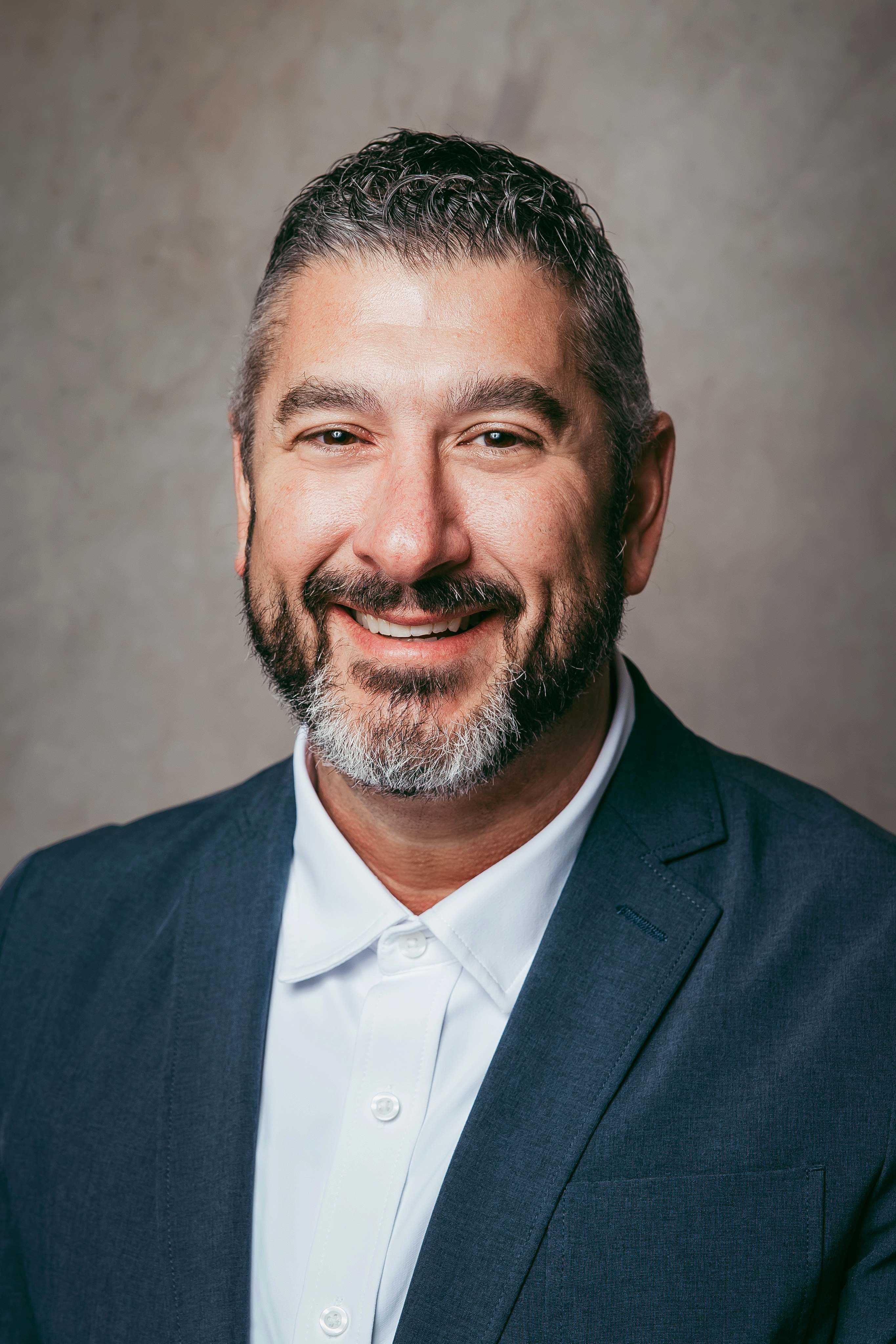 Richie Pfeiffer is senior director of patient first digital solutions at Thermo Fisher Scientific. He is a clinical, business, and technology leader with 30 years of experience across healthcare, CRO/pharma, and technology/digital health. Based in Indianapolis, Pfeiffer has spent the past four years at Thermo Fisher Scientific as senior director of patient first digital solutions, leading global decentralised trial strategies. With a foundation in healthcare, data, and technology, he designs patient-centred solutions that improve outcomes and efficiency. His expertise includes decentralised trials, wearables, AI/ML, enterprise imaging, large-scale data exchange, and real-world data (RWD). Pfeiffer is known for scaling innovative platforms and building strategic partnerships that deliver impactful, data-driven healthcare solutions.