Closing the gap between diagnosis and treatment adherence with predictive analytics

Despite significant advances in diagnostics, therapeutics, and digital innovation, a familiar challenge across healthcare remains: patients too often don’t adhere to their treatment plan. A diagnosis is made, a treatment plan is outlined, and yet, somewhere between clinical intent and patient action, momentum is lost.
Non-adherence has massive consequences: by some estimates, $105 billion annually in additional healthcare costs, along with poor health outcomes for patients.
For years, the healthcare system has approached this problem by increasing patient engagement, including investments in education, adherence programmes, and digital tools designed to support patients. But information alone rarely drives action. Healthcare providers, many of whom have high patient caseloads, too often don’t have enough insight into patients at risk of stopping their medication to take meaningful action.
Closing this gap requires a shift in thinking from not only raising awareness, but to enabling action. Life sciences marketers should embrace a shift in thinking to help drive medication adherence: the function of marketing is no longer to deliver information, or drive clicks and click throughs. It’s to strategically drive patient outcomes.
Designing for follow-through, not just engagement
Historically, life sciences marketing has engaged patients through broad-based omnichannel advertising about therapies – their efficacy, potential side effects, and long-term potential outcomes. Marketers have also educated healthcare providers through educational materials, office visits, and at conferences.
These approaches are effective in helping to identify potential therapies for patients and initiating treatment. But they aren’t designed to keep patients on their treatment plan or address barriers to adherence. In fact, most programmes are measured simply by generating a first script. It’s a problem, given that 70% of prescriptions written in the US go unfilled.
Even when patients understand why a treatment plan is being recommended, the path forward can require additional steps that introduce friction. Scheduling follow-ups, navigating referrals, or “sticker shock” from unexpected out-of-pocket costs can all be roadblocks to adherence.
Treatment adherence depends on how well the next step is defined, how easily it can be acted on, and whether it’s reinforced across the care journey. When these elements aren’t tightly coordinated, even the most engaged patients can stall.
Life sciences marketers can drive better patient outcomes by predicting possible adherence threats and engaging healthcare providers to take action, utilising effective communication embedded at the point of care and AI-driven technologies.
What actually moves patients forward
The reasons that patients stop taking their therapies are complex and personalised. Maybe a patient experiences unexpected side effects. Or their health plan doesn’t cover as much of the prescription as expected. Or their medication isn’t controlling the symptoms of their disease like they expected.
Navigating the healthcare system also creates barriers.
For example, a patient prescribed a specialty therapy may leave the visit understanding the treatment, but without clarity on prior authorisation, pharmacy coordination, or when therapy will actually begin. Each additional step, such as benefits verification, outreach from a specialty pharmacy, and scheduling administration, introduces friction that can lead to non-adherence. In contrast, when those elements are coordinated upfront, and the patient leaves with a defined path forward, it’s more likely they will start their therapy, and stick to it, long term.
Many life sciences organisations have programmes and resources available to help patients stay on their treatment. These include financial aid and co-pay assistance, simplified enrolment tools, educational materials, and nurse and care coordination to help patients. But these programmes are most helpful when they are made available to the patient and their doctor at the point when the patient is most at risk of stopping their therapy. The challenge for marketers is to better understand when a patient is most likely to stop taking their therapy, and provide their doctor with the right support tools to keep them on track.
Using predictive analytics based on artificial intelligence and real-world data, such as clinical data from patients’ electronic health record (EHR) or claims data, enables marketers to engage healthcare providers at the point of prescribing when it matters most.
Predictive technology as an enabler
For life science organisations, digital tools are increasingly critical to understanding and influencing patient behaviour between diagnosis and treatment adherence. Patient portals, automated reminders, and digital care pathways can support follow-through, but their impact depends on how well they are integrated into broader patient support strategies and care team workflows.
The opportunity lies in moving toward more predictive, responsive engagement. AI-driven models applied to real-world data can help identify when a patient is at risk of non-adherence, whether due to access barriers, confusion around treatment, concerns about side effects, or a lack of relief from symptoms, and trigger timely, tailored interventions.
As an example, predictive models can analyse EHR and lab data to flag when those values could indicate a problem – such as a diabetes patient who has been prescribed metformin, but is experiencing uncontrolled blood sugar. Similarly, these models can also draw on claims data to anticipate when a patient may be approaching the Medicare “donut hole” and could experience a significant increase in their medication costs.
Life sciences marketers can use the signals generated by these predictive models to engage patients’ healthcare providers at the point of care, with highly targeted, relevant communications. These communications serve a dual purpose: prompting a conversation between the HCP and patient about any barriers to adherence, while also educating them about the support resources available to better manage their care. As patients’ care needs become more complex and healthcare professionals care for more comorbid patients, there is a growing need to proactively address barriers that could lead to non-adherence. This is where commercial strategy, patient support, and care delivery must become more tightly aligned.
The focus should be on enabling action at the moments that matter most, right at the point of prescribe, connecting insights, interventions, and engagement directly within clinical workflows. Success will depend on the ability to move beyond awareness and drive measurable progression through the care journey. Those life sciences organisations who can operationalise these proactive strategies to address nonadherence will be better positioned to deliver on the promise of innovation, translating advances in treatment into meaningful impact for patients.
About the author
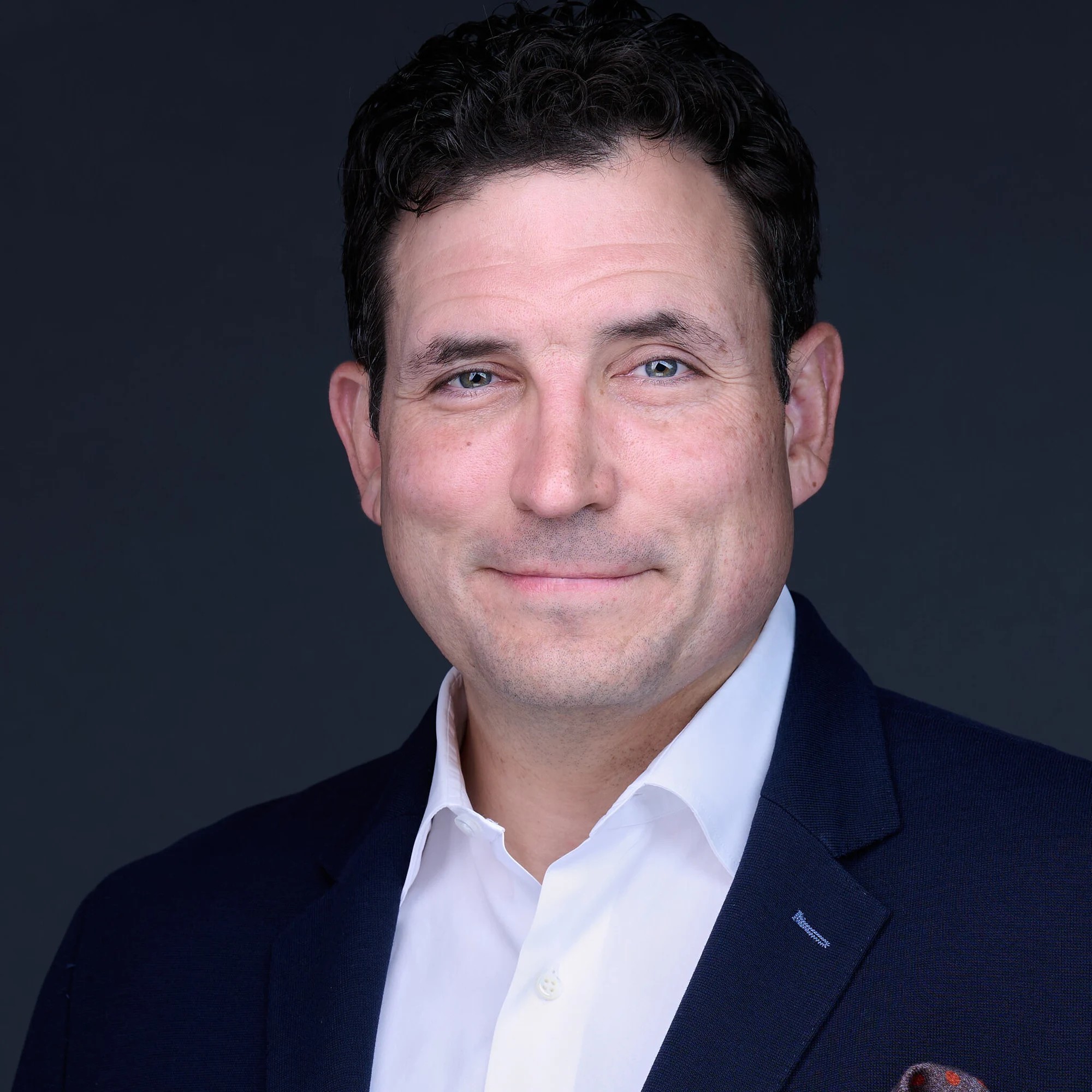
Steve Silvestro brings more than 20 years of experience in operations, sales, and partner network growth to his role as CEO of OptimizeRx. He leads the company’s revenue strategy, driving adoption of its platform across both patients and providers to improve health outcomes. Silvestro holds a Master’s degree in Business Management from Harvard University and a Bachelor’s degree in Business from Brigham Young University.