4 Takeaways from Google Cloud’s NEXT 2026 and what’s on the horizon for pharma
Google Cloud NEXT 26 - Image: https://blog.google/innovation-and-ai/infrastructure-and-cloud/google-cloud/next-2026/
When you attend events hosted by industry leaders like Google, you expect to be impressed by how technology continues to evolve. I’ve seen it over the 30+ years of my career on so many fronts - from the rise of websites in the early 90s to social media platforms emerging in the 2000s, to today’s rapidly evolving landscape of AI, large language models, and more. As a tech lover, I soak it all in and leave inspired about what’s next.
This was the case recently when I attended Google Cloud’s NEXT event with colleagues. Industry events often showcase what technology can do. What stood out to me at NEXT was something more meaningful: what pharma must do next to keep pace.
Across conversations on panels and in discussions across hallways and watering holes, four takeaways crystallised for me, each of which I think are highly relevant to where the pharma industry is headed.
- Pharma is moving from AI experimentation to AI accountability.
The era of pilots and proofs of concept is fading. What’s emerging instead is a clear expectation that advanced technologies must perform reliably, securely, and at scale. For pharma, this matters deeply. When decisions affect patient outcomes, quality, and compliance, “interesting” is no longer enough. What’s next requires discipline, governance, and confidence that systems behave as intended, and they do so every single time. - The future belongs to connected systems, not isolated tools.
One of the strongest signals from NEXT was the shift away from fragmented technology stacks. In pharma, silos across data, functions, and partners often slow innovation and dilute insight. The next horizon demands integration: clinical data connected to operations, insights connected to action, and strategy connected to execution. Progress will favour organisations that design ecosystems, not point-based solutions. - Innovation is moving closer to the people doing the work.
Technology is no longer reserved for centralised experts. It’s becoming more accessible to scientists, operators, and teams closest to real-world challenges. For pharma, this is powerful. It means insight can emerge earlier, decisions can be faster, and innovation can happen where problems actually live. But it also raises the bar for training, change management, and responsible use. We’ve seen this first-hand on our journey to embrace AI at EVERSANA, for instance, and we firmly believe in democratising tools to our teams so they are more empowered to produce not only great work, but – more importantly – have more time to really help solve the complex challenges facing our customers. - Trust is becoming pharma’s most important digital asset.
Perhaps the most important takeaway wasn’t technological at all. As systems grow more autonomous and intelligent, trust becomes the defining currency. And it's across the board. Trust from regulators, trust from partners, and, most importantly, trust from patients. Transparency, clarity, and ethical design aren’t “nice to have”. They are strategic imperatives for the next phase of digital transformation and are simply a must.
I left NEXT convinced that pharma is standing at a defining moment. The tools are advancing rapidly, but success will come down to choices:
- How intentionally we apply technology
- How thoughtfully we govern it
- And how clearly we anchor innovation to purpose.
The next horizon isn’t about moving faster for its own sake. It’s about moving forward – responsibly, together, and always in service of better outcomes. Thank you, Google, for once again inspiring me to keep pushing towards what’s next.
About the author
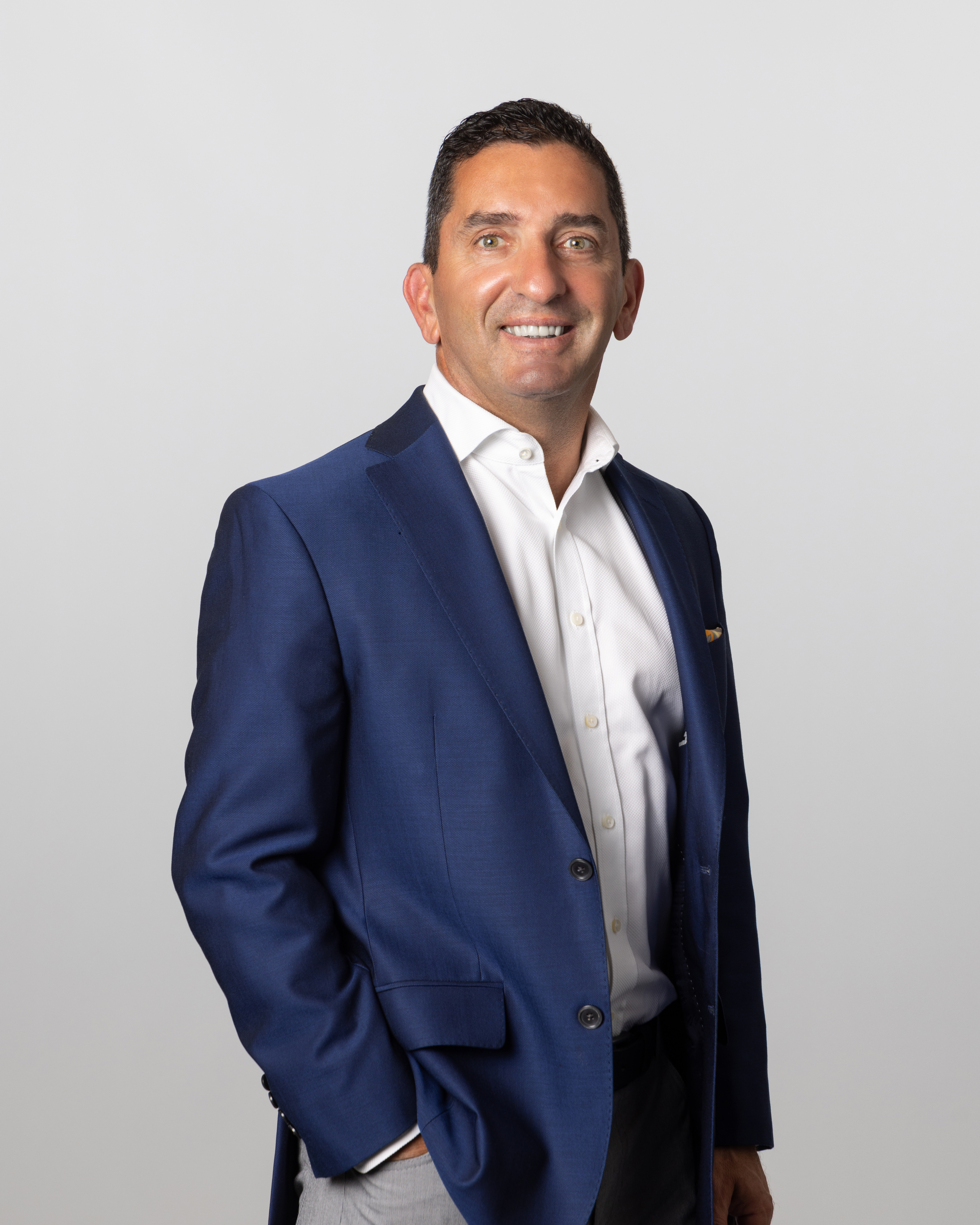
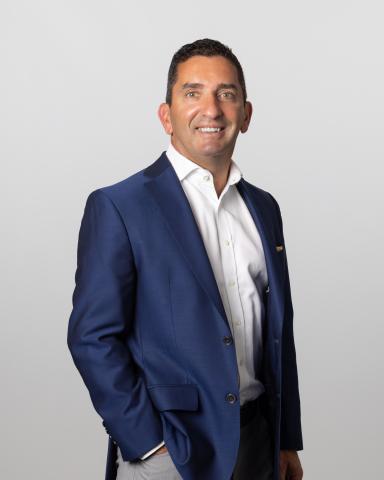
Faruk Capan is chief innovation officer at EVERSANA and the founder of EVERSANA INTOUCH, a global agency network that has been built over the past 25 years and fuelled by innovation.