Building a scalable GLP-1 care model
When a genuinely innovative medicine reaches the market, the pathway to access should, in theory, be relatively straightforward. Yet, the rapid success of GLP-1s has highlighted an uncomfortable reality. Millions of patients want access, yet, for many, the first prescription is not a single “front door” for care – it is a maze of primary care, telehealth platforms, retail clinics, and employer programmes.
The result is a system that struggles to absorb unprecedented demand without fragmenting the patient experience.
That strain on the system is turning GLP-1s into something more than a therapeutic breakthrough. They have become a stress test for the industry’s commercial and care infrastructure. Can direct-to-patient platforms, AI-enabled triage, and integrated data flows redesign the front door to care – and can that model hold under population-level demand?
In this Q&A, Aaron Uydess and Faruk Capan of EVERSANA explore where the real barriers lie, why DTP models may be uniquely suited to the GLP-1 space, and what foundational infrastructure – data, governance, and interoperability – must be in place to deliver safe, scalable, AI-enabled care.
What are the biggest barriers to broad, sustainable access to GLP-1s today?

Aaron Uydess: Honestly, the biggest hurdle right now is cost. Prices have come down quite a bit over the last year and will keep coming down, but they’re still a major barrier for many. The other challenge is making sure patients have access to healthcare providers who are comfortable having real conversations about obesity and can guide people through the long-term lifestyle changes that are needed.
Many patients dealing with obesity also face compounding health issues, so it’s not just about the weekly injection – it’s about treating the whole person, especially for those who can actually afford the therapy.
What is the single most valuable data asset you wish you had for GLP‑1s that you don’t have today?
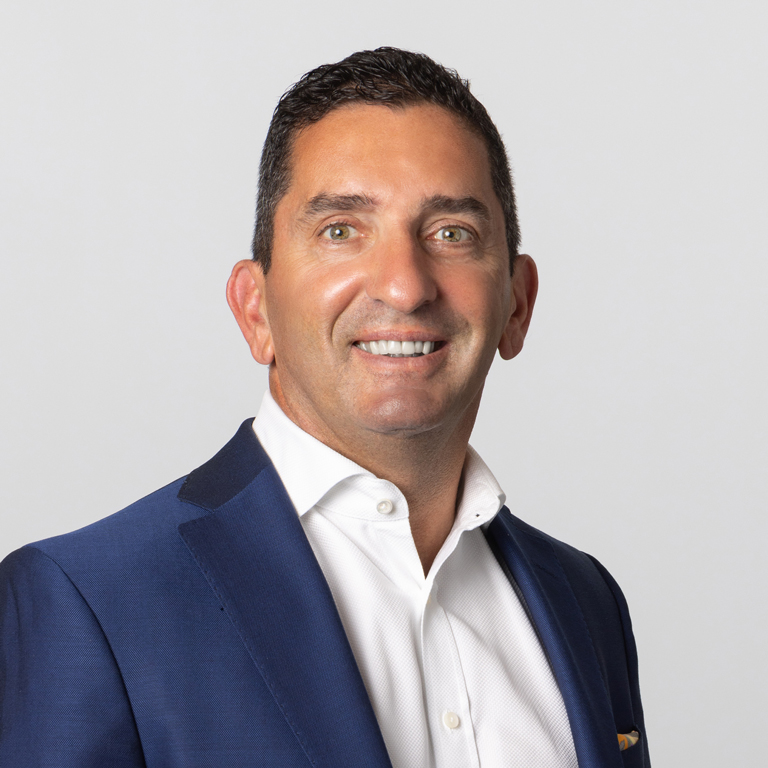
Faruk Capan: If I had to pick one data asset that truly moves the needle in GLP -1 care, it’s a connected patient journey. Right now, data sits in so many siloes. What do I mean by that? Diagnoses are in one place, prescriptions in another, affordability checks somewhere else, and real world outcomes scattered across claims and clinical records.
When you stitch all of that together, suddenly you can see not just who starts therapy, but who struggles with access, who drops off, and why. And when this all comes together, that unified view lets us predict issues earlier, personalise support, and ultimately deliver a far better patient experience.
What do you see as the strategic role of direct‑to‑patient channels versus direct‑to‑disease platforms in your future GLP‑1 strategy?

Aaron Uydess: For us, it all comes down to connecting patients with clinicians who truly understand obesity and can treat more than just the weight issue. Pair that with broader affordability options beyond insurance, and you start to get a combination that really moves the needle. Insurance coverage is ideal, of course, but offering direct or cash pay pricing gives patients alternatives when coverage isn’t available.
Where do you see AI making the biggest difference in GLP‑1 care?

Faruk Capan: AI is impacting every industry. I’ve seen it firsthand in the marketing and digital space, and I’ve told our employees, AI won’t replace you, but someone who understands how to use AI may.
So, what does this mean for GLP-1 care? I’m not a doctor, but I think where it has the greatest potential for impact is by removing friction points that can slow down access, overwhelm clinicians, and frustrate patients. Think about benefit checks or document-heavy workflows: AI can compress what takes hours into minutes while staying compliant. AI tools can help to find the most relevant education or action step for a provider or support team in real time. AI can help create and scale high-quality, empathetic communication without burning out staff.
The magic isn’t AI replacing clinicians; it’s AI doing the tedious, repetitive work so humans can focus on coaching, motivating, and managing the whole patient.
Which external players do you consider “must‑have” partners in the GLP‑1 ecosystem over the next three years (digital health, data/AI, retailers, payers, employers)?

Aaron Uydess: It really starts with the patient and the data they generate every day – from their bathroom scale, their watch, their phone, and so on. Then, you layer in the HCP and the insights captured in their EHR. On top of that, pharmacies are critical since they touch both insured and cash paying patients. And finally, payers play a key role. When you knit all of this together, you get a fuller picture of things like abandonment, adherence, cost, and patient outcomes.
How can AI help triage the enormous patient demand for GLP‑1s?

Faruk Capan: AI is incredibly powerful at designing a smarter “front door.” In the GLP-1 space, this could mean the technology could quickly capture medical history, check for comorbidities, analyse coverage options, and determine whether a patient is better suited for telehealth, in person care, or lifestyle support first.
In this case, patients could get routed to the right next step from the start, not bounced around. Layer in automated benefits verification and prior authorisation preparation, and you reduce a tonne of work for clinicians. For patients, it feels seamless. For care teams, it’s a relief. For the system, it’s the only scalable way to manage unprecedented demand.
If you had to over‑invest in one experiment (DTP brand hub vs disease‑focused metabolic clinic vs employer solution), which would you pick and why?

Aaron Uydess: I’d focus on underserved populations. These are the individuals who often have the least access to care, the least ability to pay out of pocket, and yet they experience some of the heaviest impacts of obesity, higher Medicaid spend, rising insurance costs, lost productivity, and more – especially in the US.
We’ve already built strong solutions for well-insured patients and for those who can pay cash. Now, we have a real opportunity to serve the many, not just the few, by improving quality of life, reducing long term healthcare costs, and boosting productivity. And across Europe and other parts of the world, the same concept applies – serving those in need is both the right thing for society and will benefit companies.
What foundational infrastructure do you believe is missing to deliver a safe, scalable, AI‑enabled GLP‑1 care model, and how quickly could the industry close those gaps?

Faruk Capan: We’re still missing several key pieces. The first is trusted data pipes. This includes consistent, privacy-safe ways to unify clinical, claims, socioeconomic, and affordability signals. All the sources are there, but how do you put them together to ensure all the data is safe and secure?
Second, we need better governance for AI operations. Clear rules for model oversight, bias monitoring, prompt auditing, and population-level performance tracking. Some industries are putting more guardrails here than others.
And finally, and this is connected to the second point, we need more workflow-ready rails so insights flow directly into patient services platforms, provider tools, and payer processes. We’re close, but the industry needs shared standards. When we align data quality, safety, and interoperability, AI becomes not just scalable, but equitable, and that’s when we’ll really improve care options.
If you had no legacy constraints, what would the ideal GLP‑1 care model look like for patients, and who would orchestrate it?

Aaron Uydess: It’s a great question, but a complex one. I’d build a system that truly incentivises better health. That means making healthy food more affordable, improving education around obesity, and giving doctors stronger training. It also means expanding affordability options, shifting subsidies to reward healthy choices, and making it easier for individuals and families to choose better every day. GLP-1s would be part of the solution – but not the solution. They’d be a tool within a much broader, more holistic approach.
In the end, if we get it right, we can create a healthier world, but it’s going to take time and a lot of collaboration.
If you could wave a wand and have an agency solve one commercialisation challenge for GLP‑1s this year, what would it be?

Faruk Capan: I don’t think there is a magic wand out there to solve a single challenge. Rather, it takes all of us working together. At EVERSANA, we’ve waived our wand and have built direct-to-patient platforms that help patients and could be very applicable to GLP-1 products. We’re moving the needle, and we’re showing the industry that we can remove access barriers that patients have faced.
It’s not easy, but it wasn’t easy to set up a true outsourced commercialisation model, and we did that. Sometimes you must dream the impossible to make it a reality.
About the interviewees

Aaron Uydess, executive vice president, experience solutions & success, EVERSANA
As executive vice president, Aaron Uydess creates new capabilities and approaches that bring value to EVERSANA’s clients, their HCPs, and their patients. He looks at where a client’s business goals and customer needs overlap and prioritises opportunities to generate the highest impact possible through innovation, data, analytics, and digital products.
Uydess boasts over 25 years of experience in the digital, multichannel, and omnichannel space. His experience includes non-personal selling, marketing, and operations on both the healthcare professional and patient sides of the business. He has a proven track record of success working in the US and abroad, developing digital, multichannel, analytics, as well as omnichannel Centers of Excellence from the ground up.

Faruk Capan, chief innovation officer, EVERSANA
Faruk is EVERSANA’s chief innovation officer and the chief executive officer of EVERSANA INTOUCH, the best-in-class full-service marketing and creative agency of more than 1,500 employees globally that joined EVERSANA in December 2021. Capan leads the Intouch Group team to drive next-generation ideas and strategies for clients across the pharmaceutical industry. He is a graduate of Marmara University and holds a master’s degree in business administration from the University of Central Missouri.

About the author
Eloise McLennan is the editor for pharmaphorum’s Deep Dive magazine. She has been a journalist and editor in the healthcare field for more than five years and has worked at several leading publications in the UK.
Supercharge your pharma insights: Sign up to pharmaphorum's newsletter for daily updates, weekly roundups, and in-depth analysis across all industry sectors.
Want to go deeper?
Continue your journey with these related reads from across pharmaphorum


Agents of change: AI’s role in the future of pharma commercialisation

EVERSANA leaders on digital-first models, affordability, and the future of pharma

Demystifying market access: Inside the complex journey from lab to patient

How DTP became pharma’s newest battleground


Click on either of the images below for more articles from this edition of Deep Dive: GLP-1 2026