EVERSANA leaders on digital-first models, affordability, and the future of pharma
As technology reshapes healthcare, patients expect seamless, personalised experiences. Recently, Deep Dive spoke with Brian Laird, president of patient services at EVERSANA, and Deanna Horner, SVP and chief pharmacy officer at Waltz Health, about evolving expectations, continuity of care, and the rise of direct-to-patient models.
Eloise McLennan: How have patients’ expectations of pharma and healthcare providers changed over the past decade?
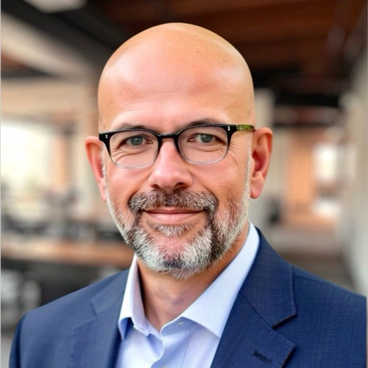
Brian Laird (BL): I’ll start by saying that, much like other industries, including technology and even telecommunications, patients expect care to be as seamless as buying a product on an online platform. They want it on demand, clarity on pricing, and personalised ways to connect with clinicians. That could be text messaging, video conferencing, virtual chats; you name it. Patients expect it today, and we must build patient support programmes to meet their needs.
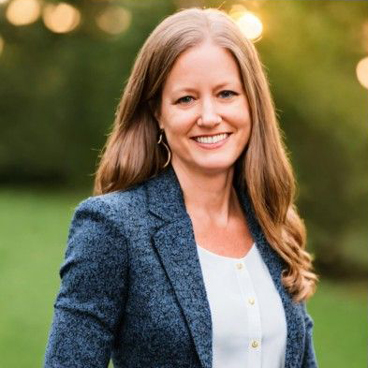
Deanna Horner (DH): I agree with Brian. Patients today have a digital-first mindset. It’s no longer confusing to use technology to connect. Telehealth, apps, wearables, and such are the norm. They are here to stay; to make the patient’s journey better.
Patients want a comprehensive way to connect their healthcare experiences whenever possible. They don’t want to see a provider for this, go to this pharmacy for that, and so on. Companies that can remove these siloes will meet and exceed patient expectations.
BL: Another area we’re seeing grow in popularity is a wave of pricing models, and expectations from patients on visibility into the nuances of pricing and care models. I always tell our team, “patients are consumers first.” They have choices, and with the availability of information in today’s world, they can shop around for both services and prices.
All that said, it’s critical to have the right care team in place in addition to digital solutions, especially for complex conditions. This cannot be overlooked. We strive to deliver a new equation combining high-tech and high-touch solutions that address challenges that patients face in access, affordability, and adherence.
Each product case is unique, but in the end, the right mix of tech and people is what patients want and will help pharmaceutical brands best serve their clients.
Patients now move between wellness apps, telehealth, and traditional clinics – what does “continuity of care” mean in this hybrid environment?
BL: While many health systems are working towards a vision of delivering “continuity of care” through the standardisation of data and health record exchange, we believe it’s critical to break down common barriers and support continuity of care across the entire continuum.
First, it’s about partnerships to ensure continuity of care. This starts with collaboration between HCPs and insurance providers, especially true in the US, where the right partner can help navigate common delays in therapy.
When you’re a patient, you want to get your treatment as quickly as possible, but how can you ensure your insurance benefits are confirmed quickly? Is there a single point of contact to coordinate things like in-home therapy, especially for complex conditions? And for non-complex therapies like migraines, for example, could a more direct-to-patient model be more effective to help patients? In this model, a company can help a pharma brand handle everything from patient onboarding to dispensing and adherence, which makes everyone's lives better.
Next, it’s about ensuring services are integrated when provided. Yes, wellness apps are great, but patients do best when they have an assigned care team, which can include nurses, pharmacists, and patient services experts who understand the disease's state and have built programmes around it. Teams must live the patient-first mindset, and programmes should be built around this concept.
When done correctly, the results produce less confusion, less therapy abandonment, greater adherence, and overall patient satisfaction. That’s how we’ve built our programmes, and we average over 96% patient-satisfaction. It works, and that’s what continuity of care is all about.
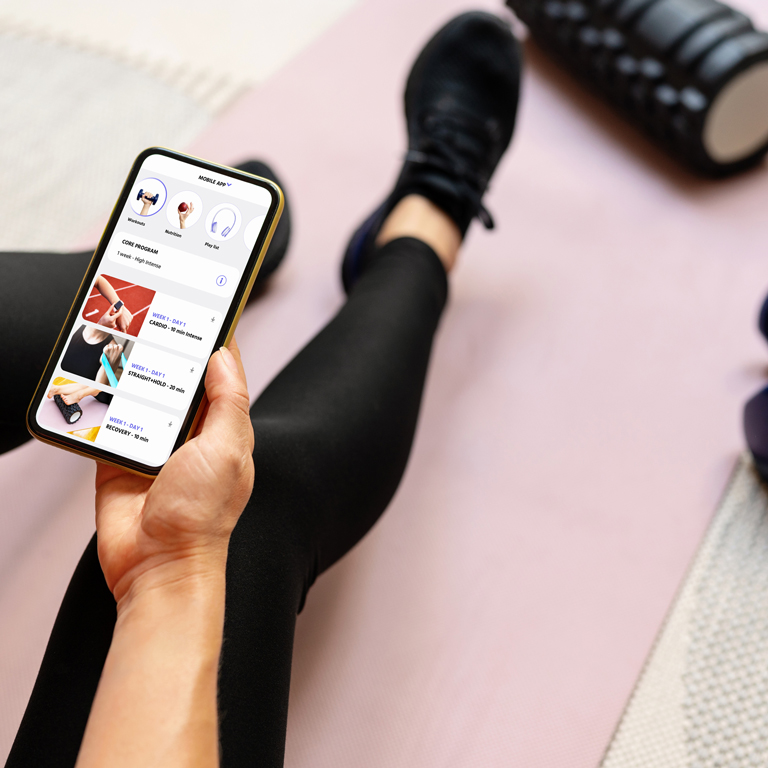
DH: What I’ll add to that is how can we best provide this continuity of care – and it’s tied to the power of data. In an ideal world, data would be consolidated for the patient in one place with data interoperability and care coordination across apps, telehealth, and clinics. Patients expect their health records, prescriptions, and treatment plans to follow them across platforms without repeating history or tests.
We’re not quite there yet from a data integration standpoint on a national or international level, but progress continues every day.
Many pharma companies talk about “meeting patients where they are.” What does that look like in practice – and what are the hardest gaps to bridge?
DH: In practice, “meeting patients where they are” is about offering services like telehealth, where transportation barriers can be removed with a phone or a camera. And then this virtual connection is integrated into the entire prescription delivery process.
It includes giving patients apps that are easy to use that offer text and easy-to-find reminders to take their prescription, refill it, and more. It’s about multilingual, culturally-sensitive content where communication is personalised for the patient to optimise comprehension. These small, but important, facets go a long way.
In the end, it’s about building models that are scalable and customisable to meet patients and their needs and will ultimately help to make their experiences better.
BL: In terms of the most difficult gaps to bridge, a few come to mind. First, digital literacy is very real, depending on the therapy population. If the average age of a patient for a therapy is in their 70s or 80s, a digital app may not be the best. Manufacturers must consider this and have more traditional print materials and training for nurses in clinics and hospitals.
But if it is a product for younger patients, digital may be perfect, as adding the app for a drug is just another app on their device.
Another challenge we see is ensuring that, when digital interactions occur, patients feel safe and secure. Patient privacy of data is critical, and systems must be built to protect it.
And finally, a third challenge with digital-focused models is ensuring that patients are presented with the appropriate cost options to make an informed decision.
At EVERSANA, we believe affordability is a challenge for most patients and results in a high rate of therapy abandonment. And while pharma does provide resources, it’s not enough to solve the affordability puzzle. We work hard to remove financial barriers and optimise affordability programmes so patients can stay on therapy and pharma can fund it.
What are the biggest misconceptions pharma still has about how patients engage with digital tools?
DH: I’ll cover three. The first myth we hear is that “patients want more apps.” That’s not the case. The reality is they want fewer individual applications and instead prefer truly integrated tools that fit into their daily lives. This is where building systems that can be connected to make their lives easier is so important.
A second myth we hear is about how digital tools measure patient engagement, and this is measured by downloads. Again, it's not true. True engagement isn’t about 100 or 1,000 downloads per day. Rather, it’s about sustained usage of the application, which triggers behaviour changes for patients. And when this is successful, it leads to improved outcomes.
Finally, a third common myth we hear is “digital is only for younger patients.” While one may think that’s the case, the reality is that older populations are increasingly adopting telehealth and remote monitoring. This isn’t the case for all conditions and there are some geographic areas where this may be more common. For example, some urban communities may have an older patient population that is used to using technology in their day-to-day life more frequently than someone in rural areas.
But much like how 20 years ago a cell phone wasn’t that common, today nearly everyone has one. Digital tools in healthcare are progressing on the same course, if not faster.

How would you define “direct-to-patient” today? Has it moved beyond communication into genuine care delivery?
BL: Direct-to-patient is all about making care faster and better for patients, powered by technology and data. It has evolved from marketing and education, the traditional "direct-to-consumer" approach, to care delivery. Today, it’s more of a service model, not just a promotional channel.
We believe direct-to-patient is supercharged, making marketing and education aspects more affordable and effective while combining it with a comprehensive care delivery arm. At EVERSANA we call this EVERSANA DIRECT, and it includes marketing to diagnosis, prescription fulfilment, pull-through adherence, and digital communication to the patient. But it’s more than this, too. It is also about solving the right pathway at the right time within a complex drug payment system that exists today to ensure the patient is presented with the best and most affordable option.
When built the right way and fuelled by AI and digital channels such as telemedicine, electronic benefits verification, billing, and prescription fulfilment with specialty pharmacy distribution, sales teams, hub support, and payer capabilities, manufacturers can provide a fully integrated, tech-enabled approach to support patients across the digital care and streamline access – enhancing speed, adherence, cost transparency, and outcomes.

In conditions with strong patient communities, such as rare disease, oncology, or chronic illness – how does direct engagement change adherence or empowerment?
DH: Direct-to-patient models can be very effective for patients with rare diseases or chronic conditions, especially for direct-to-disease education. In a recent study, 81% of patients said pharma should provide resources to help them get the care and medicines they need. And when a patient has a rare condition, finding answers is even more challenging.
A well-developed platform integrates into private networks, communities, or health systems to provide disease-specific non-promotional communication and compliant educational-only communication.
When done right, this creates patient empowerment where advocacy arises, stronger opportunities for adherence through peer support come to life and, ultimately, patients may experience happier lives with the added support.

Looking ahead five years, what could the patient journey look like if pharma fully embraces a direct-to-patient or direct-to-disease approach?
BL: As we look into the future, the future of pharma is bright for patient outcomes if we continue to embrace direct-to-patient and direct-to-disease models. What’s it look like?
First, we see a day where there will be integrated ecosystems across healthcare providers, pharmacy, pharma, payers, and patients, breaking down silos, sharing data (in a safe way), and ultimately putting patients’ needs first.
Second, direct offers more personalised pathways to care, driven by AI recommendations for individual therapies and lifestyles.
And thirdly, in five years, I think we may see more home care treatment options where this is the care hub – from diagnostics to drug delivery to virtual home care visits; more will be done at home than ever before driven by technology.

What excites you most about this shift – and what worries you?
DH: There’s so much to be excited about as we move the industry forward. We have the opportunity to really create better access to drugs, reduce costs to patients, and make a difference in their lives. That’s a huge reason many of us are in healthcare to begin with, to make a difference.
Will it be easy? No, and we must constantly be aware of data privacy and cybersecurity concerns that could impact digital health solutions. Plus, we must ensure that as we get more digital, we can scale effectively, and not leave patients behind.
That said, our future is bright, and I believe our work as an industry will make a difference.
BL: To me, it’s about new ways of helping patients, pharma industry, and improving payer access. For years, we’ve never been able to figure out a way to do all three, and we’re almost there. That’s what excites me. How often can you truly play a role in transforming the care model?
Worries? Not doing it fast enough to help a patient in need either access a medication or afford it. There are still lots of hurdles out there – costs, political hurdles, and more.
But in 2025, we’re in a better position than ever to transform the way care is delivered. That’s special.
About the interviewees

Brian Laird oversees EVERSANA’s growing Patient Services team, where he leads efforts to simplify care, improve access, and lower costs by delivering innovative, patient-centred therapy access solutions. With over 25 years of experience across pharmacy operations, clinical services, product development, and marketing, he brings a deep commitment to innovation and growth. Beginning his career as a pharmacist in ambulatory care, Laird’s patient-first approach continues to shape his strategic leadership.

Deanna Horner serves as SVP and chief pharmacy officer at Waltz Health where she focuses is on harnessing provider and payer expertise to revolutionise the prescription drug marketplace. With experience across hospital, health system, and managed care industries, prior to this position, Horner held various leadership roles at UnitedHealthcare, including chief pharmacy officer for government programmes and vice president of clinical and specialty programmes.

About the author
Eloise McLennan is the editor for pharmaphorum’s Deep Dive magazine. She has been a journalist and editor in the healthcare field for more than five years and has worked at several leading publications in the UK.
Supercharge your pharma insights: Sign up to pharmaphorum's newsletter for daily updates, weekly roundups, and in-depth analysis across all industry sectors.
Want to go deeper?
Continue your journey with these related reads from across pharmaphorum


How DTP became pharma’s newest battleground

How pharma is tackling new direct-to-patient programmes

Direct-to-patient is more than just telehealth – with EVERSANA’s Faruk Abdullah

Frontiers Health at 10: Future health, cost, and collaboration


Click on either of the images below for more articles from this edition of Deep Dive: Equity and Sustainability 2025