People, leadership, and change efforts: A Q&A with Mark Green

There are many reasons why change efforts often fail in healthcare and pharma, from unclear leadership and mixed messages, as well as resistance from staff and workforce burnout, to outdated ways of working.
In conversation with Mark Green, founder and CEO of Change Rebellion, pharmaphorum seeks practical advice for our readers who are senior leaders, to provide insights into how to build change programmes that actually work – from clinical teams to board level.
After all, new software and systems won’t fix problems in healthcare unless people, leadership, and ways of working change too.
Q: It’s been said that nearly two-thirds of change projects in healthcare and pharma struggle to deliver lasting impact. Why is this, and can you provide examples of success and failure?
Green: A lot of change efforts in healthcare and pharma fail not because the strategy is wrong, but because the impact on people is underestimated. There's often a rush to ‘deliver’ without truly engaging the people who need to live with the change: clinicians, operational teams, patients. Change is done to people, rather than with them.
We’ve seen huge programmes rolled out where training is an afterthought, communications are generic, and frontline staff are expected to simply ‘get on board’. The result? Resistance, burnout, and a slow slide back to the old way of working.
On the flip side, I’ve seen success when organisations take the time to co-create change through genuine stakeholder engagement, allowing time for behavioural shifts, and investing in the emotional, as well as operational, journey. It takes more effort upfront, but the long-term impact is real.
Q: You’ve spoken before about the limits of new software and systems. Why won’t technology alone solve the sector’s problems?
Because transformation isn’t plug-and-play. The best tech in the world is useless if it lands in a system that’s not ready for it, or in the hands of people who don’t see its value.
We tend to mistake software launches for transformation. But introducing new tech without addressing culture, workflows, skills, or leadership mindsets is like putting a Formula 1 engine into a lawnmower and wondering why it’s not winning races.
Tech can be an enabler, but it’s never the full answer. The real transformation happens when you align the tech with behaviours, processes, and values.
Q: Many organisations seem to repeat the same mistakes when it comes to transformation. Why do you think this is, and how can fresh thinking break the cycle?
There’s a lot of inherited behaviour in large systems — what I call the ‘corporate muscle memory’. We fall back on rigid governance, top-down planning, and waterfall thinking because it feels safe. But transformation isn’t safe, it’s messy, unpredictable, and deeply human.
Breaking the cycle means being willing to question assumptions. It means involving people earlier, tolerating more ambiguity, and investing in capabilities like storytelling, listening, and empathy, which don’t show up on Gantt charts, but which make all the difference.
Sometimes the most powerful thing you can do is simply ask: ‘Why are we doing it this way?’
Q: Change fatigue is becoming a real issue across the workforce. How can leaders communicate and deliver transformation without overwhelming their teams?
The answer isn’t more comms, it’s better comms and engagement. People aren’t fatigued by change itself; they’re fatigued by chaotic, inconsistent, and unclear change.
Leaders need to get better at prioritising. You can't do everything at once, and pretending otherwise just erodes trust. Be honest about what matters now, what can wait, and what support is available.
And don’t underestimate the power of listening. If your people feel heard, they’re more likely to come on the journey — even if it's hard.
Q: What practical steps can senior leaders take to ensure change is embraced across all levels — from clinical staff to the boardroom?
First, get out of the boardroom. Literally and metaphorically. Spend time with the people delivering care, running services, and facing the daily realities your change is meant to improve.
Second, build a coalition of trusted voices. Peer influence is powerful, especially in clinical settings. Don’t rely solely on hierarchical comms. Find your champions and give them the tools to influence authentically.
Third, align your metrics. If your KPIs reward stability, but your language says ‘transformation’, people will default to safety. Make sure incentives, leadership behaviour, and delivery models all support the change you’re asking for.
Q: What excites you about the future of healthcare and pharma?
That we’re finally starting to value the human side of transformation. There’s a growing recognition that successful change isn’t about heroic leaders or shiny systems it’s about collaboration, empathy, and adaptability.
But yes — let’s talk about AI.
AI has the potential to completely revolutionise healthcare and pharma from accelerating drug discovery to predicting patient deterioration, personalising treatment plans, reducing admin burden, and improving decision-making. It could genuinely free up clinicians to focus on what humans do best: care, connect, and adapt.
But, and this is a big but, only if it’s implemented with thoughtfulness and humanity. If AI is just another thing done to staff without engagement, trust, or training, it will backfire. Worse, it could deepen the divide between people and the systems meant to support them.
What excites me is the opportunity to combine radical technological advances with radical empathy to reimagine healthcare that’s not only more efficient, but more human.
And, honestly, I’m excited that more people are starting to say: ‘there has to be a better way’. Because that’s where real change begins.
Q: If you could offer one piece of advice to healthcare leaders embarking on a major transformation effort, what would it be?
Don’t just buy the change — build the capability.
It’s tempting, especially in large, complex environments like healthcare and pharma to throw millions at big consultancies to come in and ‘deliver’ transformation. And yes, sometimes external support is needed, especially around regulatory or tech-heavy change. But the real value comes from investing in your own people’s ability to lead and manage change.
Because the truth is, transformation isn’t a one-off event. It’s a muscle your organisation needs to build, not a service you outsource every time the landscape shifts.
So, if you're going to spend money, spend it on capability, not just PowerPoint. Build internal change leadership, equip teams with the skills and confidence to adapt, and embed a culture that sees change as part of the work, not something to fear or survive.
Change management consultants shouldn’t be your crutch. They should be a catalyst to get you started, challenge your thinking, and then help you take the reins.
Transformation led from within always lasts longer than transformation done to you from the outside
About the interviewee
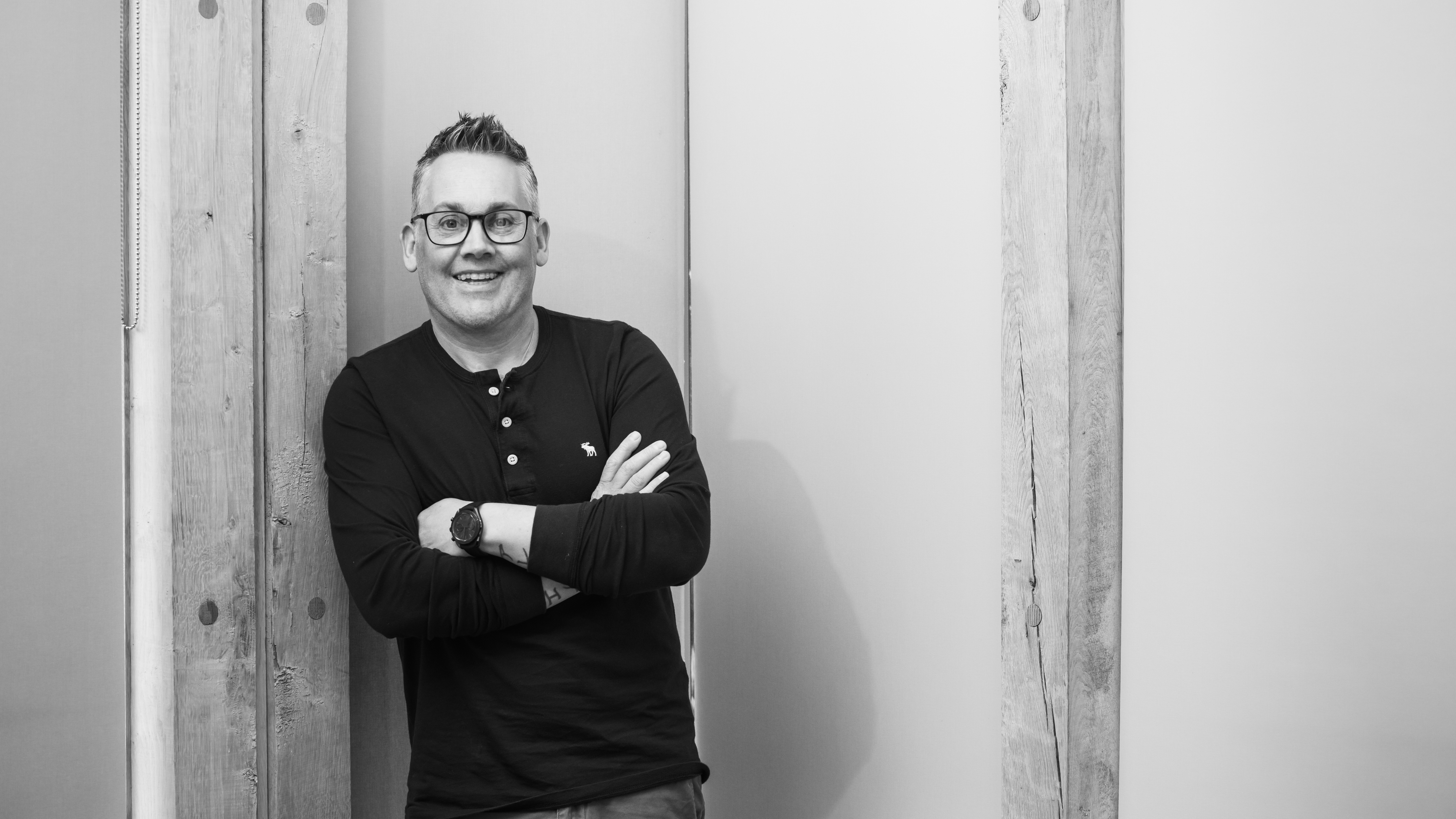 Mark Green is founder & CEO of Change Rebellion, a UK-based consultancy that challenges traditional approaches to organisational transformation. With over two decades of experience leading change initiatives across various sectors, including government and healthcare, Green has become a trusted name in change management. In 2023, after recovering from a serious illness, Green launched Change Rebellion to simplify and humanise the change process.