Patient education videos fail at the script and not in the edit
Most patient videos I see have the same problem, and it isn't the editing.
By the time a video reaches an editor, the important decisions have usually been made already, or worse, skipped. Who is this for? What do they need to do after watching? Who signs off on what the doctor says? If those questions weren't answered before anyone pressed record, no amount of editing fixes it. You end up polishing a video that was never sure what it was for.
I run a video company that edits doctor-led podcasts, expert explainers, and animated health videos. I've watched this happen enough times that I now think the script is where patient videos are won or lost. Here's why, and what I'd change.
One video, one question
The first thing that goes wrong is scope.
A patient video starts with one question. Something practical, like what to expect before a procedure, or how to take a medicine properly. Then, it goes around the team. Someone adds the background on the condition. Someone else wants the brand story in there. Medical affairs adds a list of caveats. Marketing wants a call to action.
Every addition makes sense on its own. Together, they turn a three-minute answer into a seven-minute tour, and the patient who came with one question leaves without a clear answer to it.
The fix sounds too simple, but it works. Write down the one question the video answers, in the words the patient would actually use. Not the clinical term. The thing they'd type into a search bar at 11 at night. Then hold every addition up against that sentence. If it doesn't help answer that question, it belongs in a different video.
Saying no to good content is hard. It's still the job.
Review belongs on the script
The second problem is timing, and it's the expensive one.
In a lot of health teams, clinical and medical review happens on the cut. The video is shot, edited, captioned, and animated, and then a reviewer watches it for the first time and asks for changes. Some of those changes are small. Some of them mean a sentence the doctor said on camera can't stay, and now you're either reshooting or rebuilding a whole section around a gap.
A decision made before production is cheap. The same decision made after production can cost days of work.
What we do instead is put review on the script. The script has three columns: what the viewer hears, what they see, and what needs to be checked. Every line that makes a clinical statement gets flagged in that third column, and a qualified reviewer signs it off before anything is produced.
That last part matters. Clinical instructions and claims have to come from qualified reviewers, not from the production team. An editor's job is to make an approved message clear. It's not to decide whether the message is correct.
There's a side benefit I didn't expect. Doctors find a script much easier to review than a video. A script is quick to read, they can mark one line without scrubbing through a timeline, and they can see exactly what's being claimed in their name. A busy clinician will give you ten focused minutes on a page. They'll give you a lot less patience on their fourth viewing of a cut.
Most revisions are postponed decisions
When a patient video goes through round after round of changes, it's tempting to blame the reviewer, or the editor, or the process. I've come to see it differently.
Most revisions aren't born in the edit. They're born in an earlier conversation that never happened. Nobody agreed on who the video was for. Nobody agreed on who has the final say. Nobody showed the reviewer the claims while they were still just words on a page.
So, every revision is really a decision someone postponed. The fix is to have those conversations earlier, while they're still cheap: one decision owner, agreement on the brief, sign-off on the script, agreement on the visual direction, and only then the final edit.
Test it with someone who knows nothing
The last piece is how you know the video works.
The people who made it can't judge that. They know the subject too well, and they've seen it twenty times. The test I trust is simple. Show the rough cut to someone from the intended audience, and ask them one question: what would you do next?
If they can tell you, the video is doing its job. If they hesitate, or describe something the video didn't intend, you've found the problem while it's still cheap to fix.
Captions, transcripts, and readable on-screen labels belong in that same early plan, not bolted on at the end. A lot of people watch health content with the sound off, and some can't hear it at all. If the video only works with audio, it only works for some of the people it was made for.
What I'd change first
If a health team asked me to change one thing on their next patient video, I wouldn't talk about cameras, animation styles, or editing software.
I'd ask them to write down the one question the video answers, put the clinical review on the script instead of the cut, and name the one person who makes the final call. Then, I'd show the rough cut to a patient before anyone polishes it.
None of that is glamorous. It's mostly meetings that happen a few weeks earlier than they normally would. But it's the difference between a video that patients finish and act on, and one that went through nine rounds of feedback and still doesn't quite answer the question it started with.
About the author
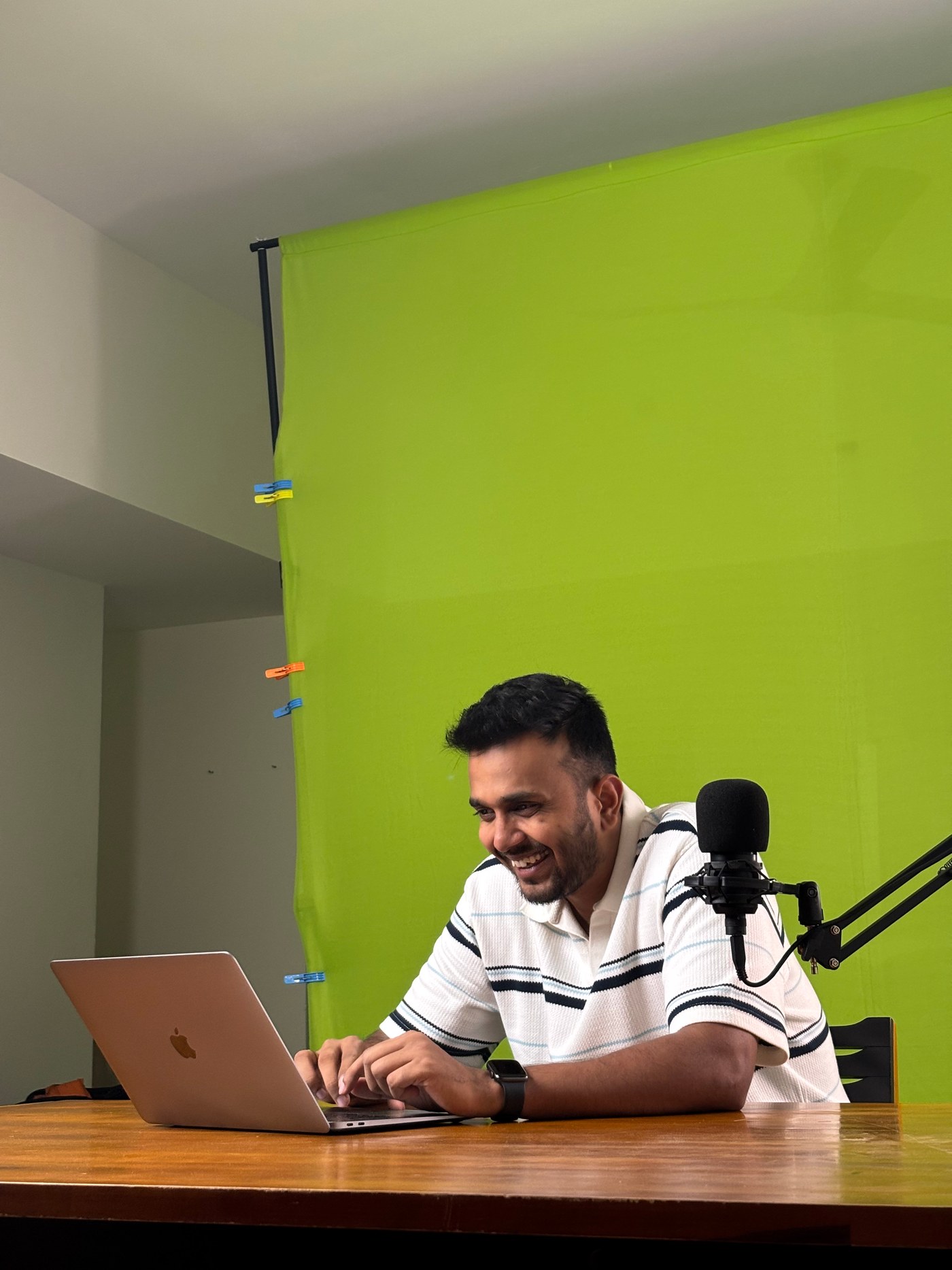 Raksham Shahu is the founder of Fitastic Digital Media, a video production, editing, and animation company that works with healthcare, finance, and software teams. He works directly with clients on the audience, the objective, and the edit decisions.