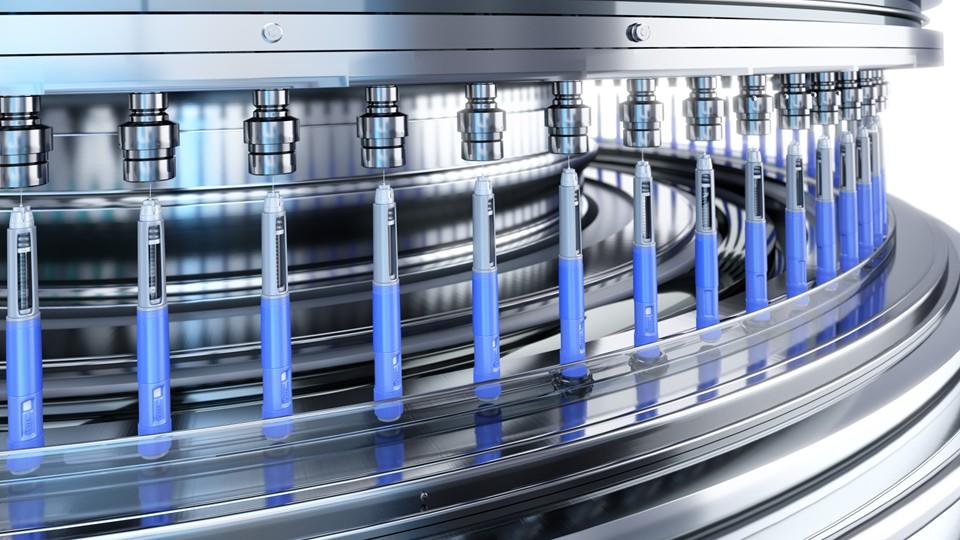
Seamless scale-up: Integrated manufacturing becomes the biopharma standard
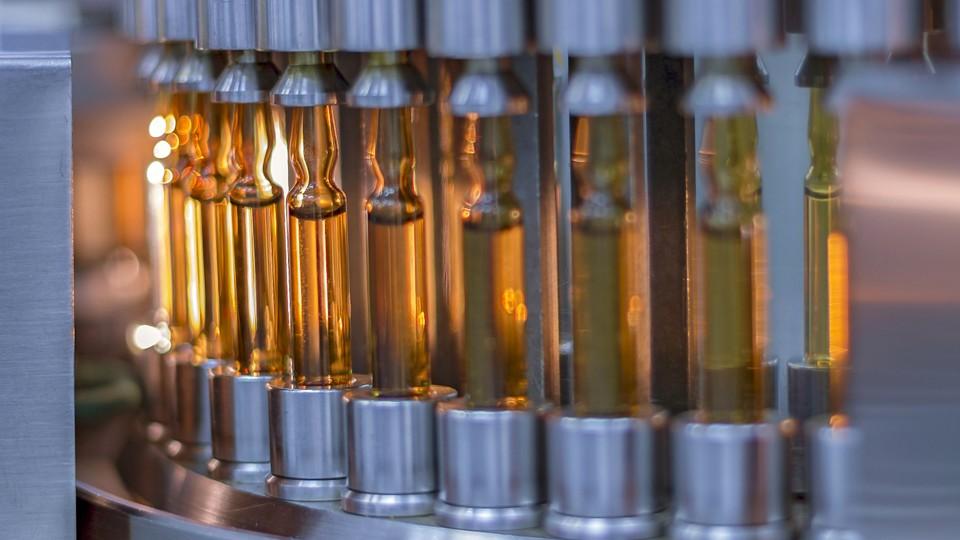
The biopharmaceutical industry is undergoing a structural shift. For decades, contract development and manufacturing organisations (CDMOs) have operated through fragmented models, with drug substance (DS) and drug product (DP) functions separated across sites. This fragmentation created inefficiencies – duplicate validations, elongated technology transfers, and communication bottlenecks that delayed product launches and eroded client trust.
Today, the demand for speed, quality, and scalability is pushing the industry towards a different model: integrated manufacturing. By uniting the DS, DP, quality, regulatory, and analytical functions under one roof, CDMOs are simplifying processes, standardising strategies, and scaling operations with agility. The integrated model transforms CDMOs from outsourcing vendors into strategic partners capable of delivering efficiency, reliability, and trust at scale.
Providing a distinct client advantage
Integration also enables the tighter alignment of DS and DP schedules, a distinct advantage for clients. When DS project issues arise, teams can flexibly adjust their approach while considering the DP timeline – sometimes even rescheduling a pre-booked DP slot to accommodate the overall project milestone. This agility enhances project management, reduces wasted resources, and maximises the efficiency benefits of operating in a single site.
Conventional operations often struggle with gaps in data integrity, inconsistent batch releases, and costly rework. Each handoff between sites increases the risk of knowledge loss, regulatory discrepancies, and delays across the development-to-commercial continuum. Integrated operations remove these barriers, enabling continuous data and material flow, consolidated oversight, and seamless collaboration.
In a market where accelerated timelines, diversified therapeutic modalities, and evolving regulations define success, CDMOs gain a competitive advantage by adopting integration. They achieve speed without compromising quality, adaptability without incurring additional cost, and compliance without creating bottlenecks.
An agility to accommodate new modalities
Facility design is the foundation of integration. Modern CDMO facilities adopt dynamic architecture designed to evolve in response to client needs. Hybrid stainless-steel and single-use systems allow organisations to balance long-term capacity and rapid changeover. Modular cleanrooms and utility redundancies allow reconfiguration without interrupting production, while data-driven facility planning ensures capacity optimisation without over-engineering. The result is agility that accommodates new modalities while keeping costs in check.
Process strategies are another cornerstone of integration. Adaptability underpins both upstream and downstream operations. In upstream manufacturing, process analytical technologies monitor nutrient levels and cell metabolism in real time, triggering automated adjustments that improve yield and reduce risk. Dual-feeding strategies expand the range of biologics that can be produced efficiently, while interchangeable centrifuge designs optimise performance across different densities. In downstream processing, multi-train systems and flexible chromatography columns offer parallel processing capacity, allowing CDMOs to manage complex molecules and scale purification according to project needs. This operational adaptability ensures consistency even when demand shifts unexpectedly.
The knowledge loop of digital systems
Digitalisation weaves these physical and process capabilities into a unified system. Electronic batch records and manufacturing execution systems connect the production floor with quality oversight, enabling real-time traceability, faster release cycles, and proactive process control. Beyond compliance, digital systems create a knowledge loop where insights from one project feed into the next. This loop accelerates learning cycles, strengthens risk mitigation, and provides data-driven flexibility across development and commercial phases. Digitalisation transforms integration into a living framework that learns, adapts, and scales continuously.
Yet, integration is not built solely on infrastructure. It also depends on people and culture. A robust quality culture ensures that no operation is considered minor, whether logging pH adjustments or labelling sampling bags. Teams adopt a right-first-time approach, embedding compliance readiness into daily routines and reinforcing trust with both regulators and clients. Continuous improvement becomes part of the organisational DNA, where data is translated into action.
Strategic partnerships further reinforce this ecosystem. By working closely with clients, CDMOs gather insights to refine facility design, develop modular strategies, and optimise processes. These collaborations transform integration into an iterative process – one where facilities, processes, and systems evolve in step with market and regulatory pressures. Partnerships strengthen trust while ensuring that CDMOs remain responsive and resilient in a volatile landscape.
Three defining advantages
The integrated model delivers three defining advantages that shape client outcomes.
First, streamlined processes stabilise production, reduce deviations, and enforce consistent oversight. Shared protocols between DS and DP eliminate redundant validations, enabling parallel reporting, cutting cycle times, and minimising manual work. Integrated serialisation enhances supply chain visibility, reduces waste, and optimises resource planning. The result is higher batch success rates and fewer disruptions.
Second, standardised strategies embed consistency across operations. Shared infrastructure, unified documentation, and digital connectivity ensure rapid and reliable technology transfers. Teams retain critical process knowledge, conduct rigorous gap assessments, and achieve faster scale-ups and on-time releases. Standardisation also equips CDMOs to stay ahead of regulatory changes, embedding compliance into workflows, rather than treating it as an afterthought.
Third, scalability turns stability and consistency into agility. Integrated CDMOs can expand capacity across clinical and commercial phases without jeopardising timelines. By centralising supply, aligning regulatory requirements, and adopting automated, digital-first operations, they mitigate the risk of capacity bottlenecks. Scalability secures readiness and enables first-to-market positioning – critical advantages in a competitive market.
In DS manufacturing, integration allows teams to align processes with DP requirements, accelerating scale-up and reducing communication bottlenecks. Shared storage and scheduling flexibility simplify logistics, making operations more predictable. In DP functions, immediate access to DS materials eliminates transfer delays and reduces the need for revalidation, thereby improving first-pass success rates. Harmonised records streamline regulatory submissions, and unified quality systems strengthen audit readiness.
Integrated operations are the way forward
As modalities diversify – from monoclonal antibodies to antibody-drug conjugates – the industry faces unprecedented complexity. Fragmented models cannot keep pace. Integrated operations, however, provide a resilient framework that consolidates knowledge, safeguards data, and adapts in real time.
Integration is a strategic imperative. CDMOs that continue to operate in fragmented models risk falling behind, while those that invest in integration establish themselves as trusted partners who offer speed, scale, and reliability. By consolidating technical, operational, and digital capabilities, integrated CDMOs redefine their roles as strategic partners.
Ultimately, end-to-end integration is reshaping how biopharmaceutical manufacturing meets modern demands. By uniting DS, DP, and supporting functions in a single ecosystem, CDMOs reduce risk, accelerate launches, and elevate quality outcomes.
As the industry continues to evolve, integrated manufacturing will be the benchmark. Operational excellence at scale will define the future of biopharmaceutical manufacturing, and integrated CDMOs are already setting the standard.
About the author
 Heejeong Kim joined Samsung Biologics in 2011, and has since served as both a team leader at a manufacturing plant and in operations support for drug substance production. She now oversees the entire drug substance area. Kim received her Master’s degree in Food Science and Biotechnology from Seoul National University in 2006.