Saudi pharma’s rise as a global CDMO destination: Investment, infrastructure, and competitive edge
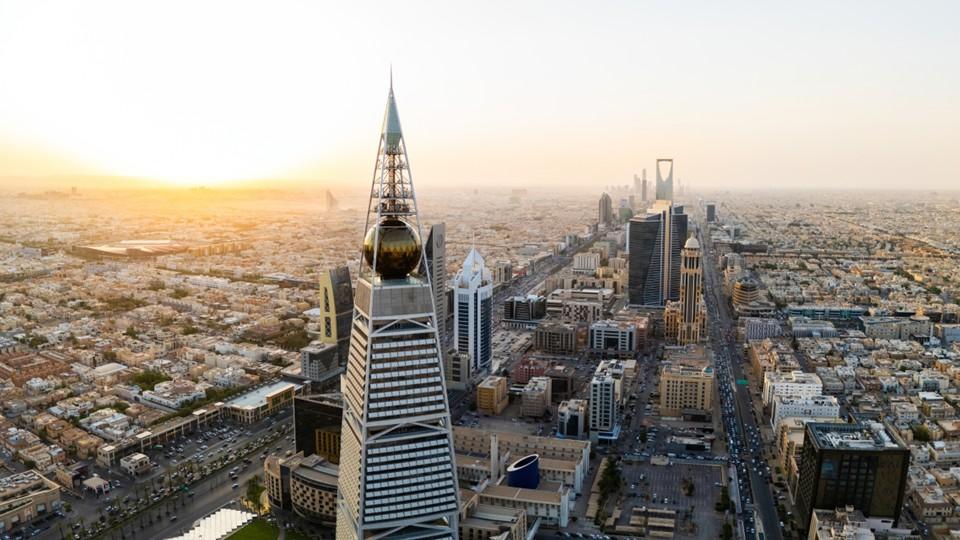
Saudi Arabia is steadily establishing itself as a competitive worldwide destination for contract development and manufacturing (CDMO) with the help of consistent investment, growing pharmaceutical infrastructure, and a deliberate effort to strengthen domestic manufacturing skills.
The Kingdom now has 206 pharmaceutical and medical device companies with total investments above SR10 billion (about USD $2.6 billion), out of which 56 are pharmaceutical facilities licensed by the Saudi Food and Drug Authority (SFDA).
Investment driving manufacturing expansion
The expansion of Saudi Arabia's pharmaceutical manufacturing base continues to be largely dependent on public and private investment. Strong capital flows into regional industrial infrastructure have been facilitated by government-backed initiatives under Vision 2030; investments in the pharmaceutical sector alone have exceeded SR7 billion.
Industry reports the Saudi pharmaceutical CDMO market is expected to increase from USD $1.62 billion in 2024 to USD $2.24 billion by 2030 at a compound annual growth rate (CAGR) of 5.45%, reflecting the rising demand for domestic development and manufacturing services.
Infrastructure built for contract manufacturing
CDMO regulations have become increasingly important in the development of Saudi Arabia's pharmaceutical infrastructure. While logistics support, such as cold-chain storage and industrial clusters, improves operational reliability, modern facilities are being designed to satisfy international good manufacturing practice (GMP) requirements.
Through a production ecosystem that can cater to both local and international markets, this fundamental infrastructure supports CDMO partners. Investments in these competencies support larger initiatives to strengthen domestic supply chains and lessen dependency on imports.
Competitive positioning in a global market
Saudi CDMOs are positioning themselves in a competitive position by combining production capacity, regulatory alignment, and location advantage. With an expected USD $12.4 billion in 2025 and a projected USD $18.1 billion by 2030 at a nearly 8% CAGR, the Saudi pharmaceutical market as a whole is still growing, showing growing domestic demand that supports scalable contract services.
The Kingdom's competitive advantage as a substitute manufacturing base for international partners is further strengthened by cost structures, government incentives, and access to highly qualified technical expertise.
Regulatory alignment and quality standards
Saudi CDMOs' legitimacy is increased by the SFDA's oversight, which guarantees that domestically produced goods meet strict quality standards. Many CDMO agreements combine regulatory responsibilities: Saudi partners oversee local compliance and inspections, while international partners provide development data and technical know-how to guarantee quality throughout the stages of development and commercialisation. These cooperative methods bring Saudi manufacturing up to speed with international regulations.
From local capacity to global relevance
The development of CDMOs in Saudi Arabia is indicative of a larger transition from import-dependent supply to a growth strategy focused on manufacturing. Opportunities in core supply sectors are highlighted by reports that the active pharmaceutical ingredient (API) CDMO market alone earned over USD $2.8 billion in 2024 and is expected to surpass USD $4.5 billion by 2033.
By focusing on sustainable growth, Saudi CDMOs are gradually establishing themselves as viable partners in global contract development and manufacturing. Through regulatory-aligned facilities, expanded local production capacity, and collaboration with international partners, the Kingdom is enhancing its domestic capabilities to support both local demand and international pharmaceutical networks. This measured approach emphasises reputation, dependability, and long-term significance, rather than rapid scaling, positioning Saudi Arabia as a growing hub for contract manufacturing in the region.
About the author
 Saman Farrukh is the CEO of Seventure Flow, specialising in medical billing and revenue cycle management for US healthcare providers for over a decade. Her professional expertise centres on how biomedical diagnostics and treatments are operationalised within healthcare systems through accurate documentation, coding, and reimbursement.