Obesity, complexity, and the lab: What 2025 taught us, and what comes next

In recent years, we observed significant shifts in how obesity and cardiometabolic diseases are studied in early-phase research. Science is advancing, but the complexity of working with this patient population continues to challenge traditional trial design. The focus is no longer just on speed. It is on precision, reproducibility, and clinical relevance.
Laboratories are no longer peripheral. They are central to modern clinical development - enabling earlier decision-making, more accurate endpoints, and better alignment between mechanism and outcome. This role became especially clear over the past year.
What we observed in 2025: Labs are accelerating early-phase development
We saw more sponsors adopt parallel trial designs, combining elements of Phase I and II to reduce timelines. In metabolic disease, this increasingly includes the early introduction of patient cohorts – sometimes even in first-in-human studies, where traditionally only healthy volunteers were enrolled. Regulatory authorities and ethics committees are encouraging this shift, provided the infrastructure and safety protocols are in place.
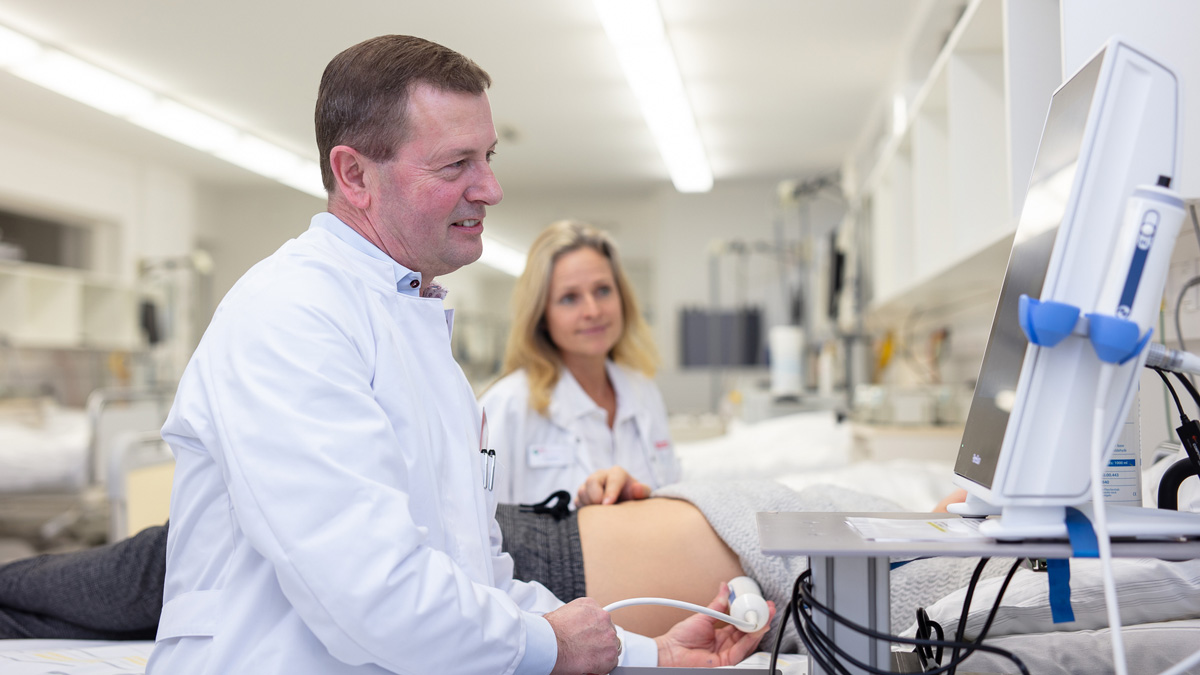
Laboratories must be equipped to support this complexity. Imaging tools for reliable assessment of body composition and energy expenditure combined with validated metabolic laboratory assays like adiponectin, leptin, ghrelin, visfatin, but also inflammatory markers such as IL-6, TNF-alpha, or miRNAs, are becoming of essential interest. Without them, it is difficult to meet the expectations of both regulators and sponsors.
Obesity trials are becoming more precise
The primary endpoint is no longer just weight loss. In 2025, the focus shifted to understanding what kind of weight is lost (fat versus muscle), fat distribution (ectopic versus subcutaneous) – and how that affects obesity driven comorbidities. This distinction is of important clinical relevance. Preserving lean mass is critical, especially as new therapies begin to influence energy expenditure in addition to food intake.
Answering these questions requires objective measurement. Imaging, metabolic profiling, and reproducible lab methods are necessary to generate data that can support regulatory and clinical decisions.
A broader view of patient care
GLP-1 receptor agonists and incretin based treatments have shown to be effective in reducing body weight, improving glucose metabolism, and offering cardio-renal protection. With all these new therapeutic achievements in place, there is still a high need to develop new drugs. Not all patients react in the same manner; patients will achieve weight regain after stop of treatment, and body composition may underly significant redistributions. Patients require structured support – including high-protein diets, resistance training, and behavioural guidance – to maintain results and avoid muscle loss.
We observed that patients on these therapies often begin to make healthier food choices and change their overall lifestyle behaviour. However, this effect is not stable without reinforcement. For this reason, structured patient guidance and support is always part of the protocol and treatment, rather than treated as optional.
Recruitment is more complex
Inclusion criteria are becoming stricter, particularly in comorbid populations such as those with cardiovascular comorbidities or MASLD. This makes recruitment more difficult. We have addressed this by expanding our patient database and strengthening our referral network with local physicians and specialists.
The goal is not only to find patients, but to find the right patients – those who best fit the study criteria and can generate meaningful data. Lab-enabled screening and structured data capture are essential to this process.
What we expect in 2026: Personalised trial design will advance
We expect more trials to be stratified by phenotype, comorbidity profile, or predicted drug response. This is not gene therapy. It is a practical approach to matching patients with the drugs mode of action. As more therapies enter development – some targeting liver disease, while others focus on muscle preservation, or cardio-renal protection – this level of precision will become more and more critical.
This trend will extend beyond addressing body weight or body mass index. Infectious disease, immunology, and oncology will also require more personalised trial designs. Laboratories will play a central role in enabling this shift – not only by supporting biomarker-driven stratification and endpoint selection, but by providing the infrastructure to measure complex, multi-system responses with consistency and precision.
Endpoints will expand
Weight loss is not enough. Sponsors will need to demonstrate muscle preservation, metabolic improvement, and behavioural sustainability. This will require new endpoints, new assays, and longer follow-up periods.
We expect more trials to include imaging, metabolic panels, and longitudinal data collection. These methods are already in use in obesity trials and will likely be adopted in other therapeutic areas where body composition is relevant.
Multi-agonist therapies will increase complexity
GLP-1/GIP/glucagon combinations are already in development. These therapies affect multiple biological pathways and require more sophisticated trial designs. Measuring satiety, lipid metabolism, and hepatic function in parallel is not simple. It requires coordination between clinical and laboratory teams.
This complexity is not limited to obesity. As combination therapies become more common, the need for integrated lab support will grow across multiple indications.
Patient support will be required
We expect more trials across the cardiometabolic sector to include structured patient support – including nutritional coaching and behavioural guidance – as part of the standard study protocols. This is not only an ethical consideration. It is necessary for efficacy, especially in chronic conditions where long-term outcomes depend on sustained behaviour change.
Placebo-controlled trials will be reconsidered
In long-term studies involving effective therapies, placebo arms are becoming harder to justify. We expect more trials to use active comparators, supported by statistical methods that allow indirect comparison to historical placebo data. This change will require careful planning and robust lab data. But it is a necessary step toward more ethical and clinically relevant research.
Looking ahead
Obesity is not a single disease. It presents in many forms, with different comorbidities and treatment responses. The same is true for many chronic conditions. This complexity requires a new approach to clinical research – one that is faster, more precise, and more personalised.
Laboratories will be central to this evolution. They are not just for sample processing. They are strategic partners in trial design, patient engagement, and scientific validation.
About the author
 Professor Thomas Andreas Forst is Chief Medical Officer at hVIVO, serving at Clinical Research Services (CRS), part of the hVIVO Group, since 2018. Previously, he was CEO and Director for Medical Science at Profil Institute Mainz (2013-2018) and CEO and Medical Director of the Institute for Clinical Research and Development in Mainz (2001-2013). From 1999-2001, he served as Clinical Research Physician at Eli Lilly Indianapolis, overseeing clinical trials for cardiometabolic disease treatments.
A board-certified physician specialising in internal medicine and endocrinology, Professor Forst began his career in 1989 at the German Diabetes Research Institute. He joined Johannes Gutenberg University in Mainz in 1991, earning credentials in Internal Medicine (1996) and Endocrinology (1997). Appointed Professor of Internal Medicine in 2006, he continues training medical students today.
About hVIVO

hVIVO is a full-service early phase CRO offering end-to-end drug development services from preclinical consultancy through to Phase III clinical trials, including world leading end-to-end human challenge trials services. With decades of experience in rapidly delivering data for our global client base, our team brings together strategic insight and operational expertise to deliver a variety of clinical study types across multiple locations.
To support rapid study start-up and reliable delivery, our dedicated recruitment teams in Germany and the UK provide direct access to both healthy volunteers and patient populations. This is complemented by our integrated drug development consultancy as well as our infectious disease and immunology laboratories and biobanking services.
Learn more about how hVIVO is helping to drive innovation in cardiometabolic research through deep expertise, advanced diagnostics, and end-to-end clinical support.
To find out more click here.