From genetic insight to Phase 3: What rare neurology requires from R&D and capital
Rare neurological disease has undergone a meaningful shift over the past decade. Advances in human genetics, expanded access to testing, and increasingly constructive regulatory pathways have established rare neurology as a viable and active area of drug development. Clinical successes, investor engagement, and strategic activity have reinforced this momentum.
At the same time, it is important to distinguish between segments of the landscape. Rare neurological diseases with defined biology and growing precedent differ fundamentally from ultra-rare and ultra-ultra rare conditions, where disease understanding, infrastructure, and market visibility remain limited. The dynamics that govern development, financing, and execution diverge meaningfully across these categories.
Across more established segments of rare neurology, success is driven by pairing strong biological insight with disciplined clinical execution. Programmes grounded in a clear understanding of disease biology, and designed to enrich for patients most likely to respond, are more likely to generate large, interpretable effect sizes. These outcomes, in turn, drive engagement from investors and strategic partners.
Scientific and clinical strength alone is not sufficient. Companies must also clearly articulate the investment opportunity. In less well-characterised diseases, this requires building a shared view of the total addressable market, often in coordination with genetic testing companies, academic researchers, and patient advocacy groups to improve identification, refine epidemiology, and increase awareness.
Differentiating rare, ultra-rare, and ultra-ultra rare neurology
Rare neurology is not inherently difficult. Disease states are often better understood, stakeholder visibility is higher, and regulatory precedent frequently exists. These factors make it easier to frame and communicate the market opportunity, supporting more efficient engagement with investors and strategic partners.
Even within ultra-rare neurology, the presence of precedent matters. In diseases where programmes have successfully advanced through approval, a roadmap exists. That precedent enables more straightforward dialogue with investors and strategics, with clearer expectations around development pathways and commercial potential.
The dynamic shifts in ultra-ultra rare neurological diseases. This remains a profound area of unmet need and is significantly more challenging, even when the scientific and clinical rationale is strong. In these settings, the burden extends beyond executing a development plan to establishing the foundation that makes progress possible.
Ultra-rare and ultra-ultra rare diseases require more than scientific and clinical strength. They demand meaningful education around the disease, including its biology, the patient journey, and the ecosystem needed to support progress. Epidemiology often must be established or refined through collaboration with academic researchers, genetic testing companies, and patient advocacy groups. Patient identification must be built and scaled, and trial infrastructure may need to be created de novo.
Regulators have recognised these challenges and introduced pathways to facilitate development in small populations. These frameworks help define a path forward, but do not eliminate the need for coordination. Advancing therapies in these settings requires orchestration across stakeholders. It takes a village and, while the effort is significant, it is achievable.
Capital, data, and execution
The relationship between capital and progress in rare neurology is often mischaracterised. For programmes that generate compelling clinical data, access to capital, whether private or public, has historically been available. Traditional investment models have supported rare disease development for years and continue to do so.
In more established areas of rare neurology, there is typically strong alignment around disease biology, epidemiology, regulatory pathways, and market dynamics. This supports clearer investment theses and more efficient capital formation. Programmes that deliver convincing data are able to access the capital required to advance.
In ultra-rare and ultra-ultra rare diseases, the burden shifts. Where precedent is limited, companies must do more to support investment decisions. This includes educating investors on disease biology, patient journey, epidemiology, identification, and pricing assumptions, while demonstrating a credible path to development and commercialisation.
This requires capital providers willing to engage deeply across scientific, clinical, operational, and commercial dimensions, with conviction in both the clinical potential and return profile.
At the same time, clinical trials must deliver interpretable, meaningful results. Long-term oriented capital may support continuity and flexibility, but it does not change the requirement for success. Programmes that work attract capital; those that do not, do not.
Access to dedicated, long-term capital can influence execution, particularly in less established areas. It enables sustained investment across parallel workstreams, continuity in decision-making, and integration of scientific, clinical, and operational expertise over extended timelines.
Case study: GRIN-related neurodevelopmental disorder
One recent example where a concentrated, neuroscience-focused capital platform has found success is in GRIN-related neurodevelopmental disorder (GRIN-NDD), a genetically defined condition driven by NMDA receptor dysfunction. GRIN-NDD reflects many of the challenges associated with neurotherapeutic development, including a clinically heterogeneous patient population and no existing therapies targeting the underlying biology. The burden of disease is severe, and currently only symptomatic treatments, such as anti-seizure medications, are available, primarily for children living with GRIN-NDD.
GRIN-NDD also illustrates the realities of ultra-rare neurological development. Patient populations are well-defined and targeted, epidemiology is becoming clearer and increasingly compelling. Supporting infrastructure must be built in parallel with advancing the therapeutic programme. In this context, access to dedicated, long-term capital becomes particularly important. It enables sustained investment in patient identification, natural history understanding, and trial readiness, while supporting the scientific, clinical, and operational coordination required to move efficiently despite limited precedent.
Leveraging this approach, a promising therapeutic, radiprodil, was identified with strong potential for GRIN-NDD. Originally tested for neuropathic pain, it was an asset whose potential had not yet been fully explored. However, its mechanism of action as a selective, potent negative allosteric modulator of the NMDA receptor GluN2B subunit aligns with the etiology of GRIN-NDD, reigniting its development in a genetically defined indication. Through closely coordinated scientific due diligence, regulatory strategy, and clinical execution, radiprodil has advanced from programme inception to a global Phase 3 trial in just four years, offering families their first real prospect for a disease-specific treatment. It demonstrates that alignment of capital, expertise, and operational focus can compress inefficiencies that often stall neuroscience assets.
What it takes in neuroscience development
Rare neurology is not defined by a lack of scientific opportunity or capital. When disease biology is well understood and clinical programmes are thoughtfully designed, development can proceed efficiently and attract sustained investment.
The remaining challenges are concentrated in the least characterised segments of the landscape, where companies must define the disease, build infrastructure, and align stakeholders. Progress in these areas depends on scientific and clinical excellence, combined with the ability to educate and coordinate across a fragmented ecosystem.
As expectations continue to shift toward treatments that address underlying biology, the path from genetic insight to late-stage development is increasingly well established, but success still depends on how effectively these elements are brought together.
About the author
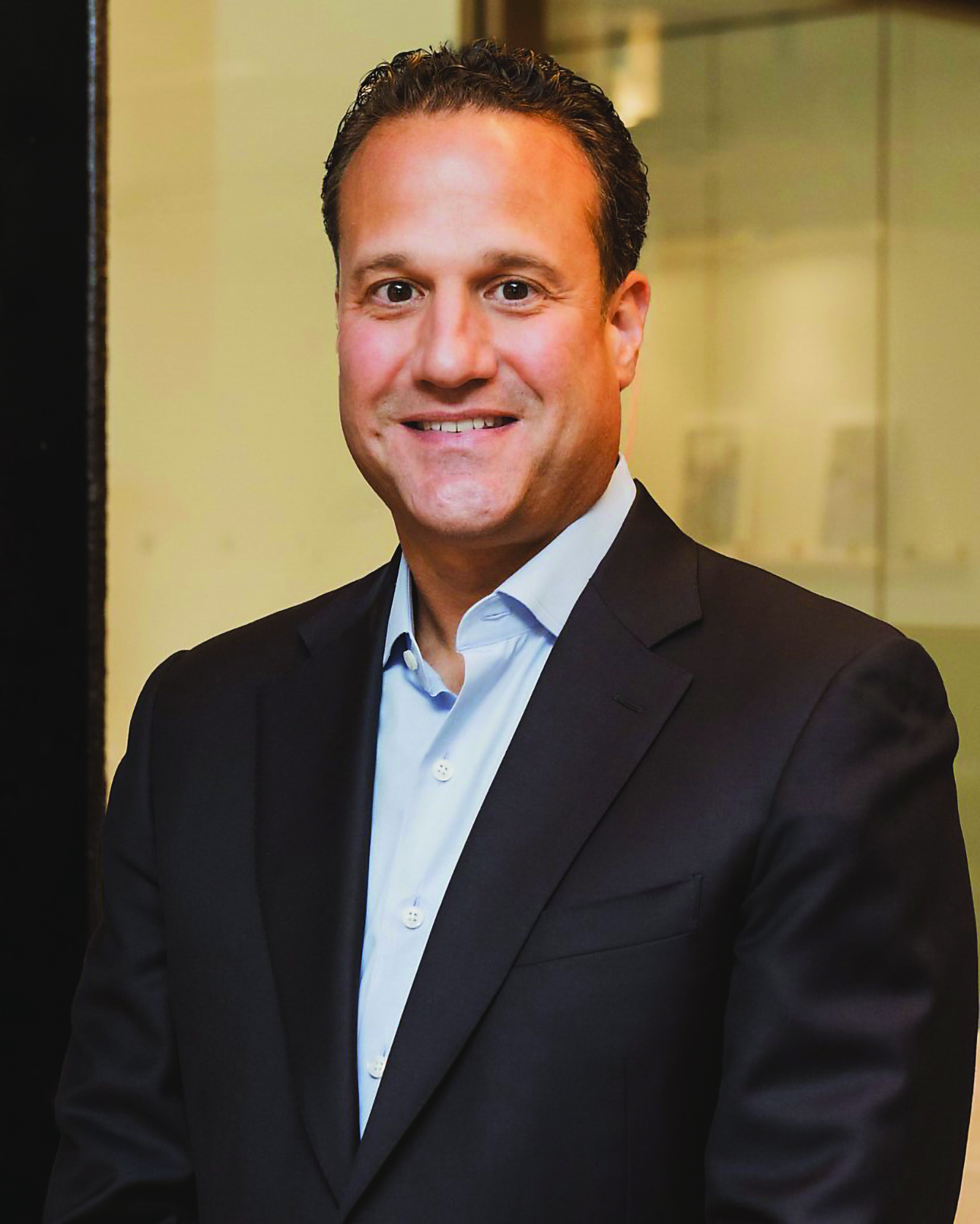
Dr Bruce Leuchter is CEO and president of GRIN Therapeutics and Neurvati Neurosciences, the neuroscience development platform of Blackstone Life Sciences. He has deep-rooted, wide-ranging experience spanning neuroscience, clinical neuropsychiatry, biotechnology equity research, healthcare investment banking, and entrepreneurship. A physician by training and neuropsychiatrist by specialty, Dr Leuchter completed residency training in neurology and psychiatry at New York Presbyterian Hospital and Weill Cornell Medical College and is a diplomate of the American Board of Psychiatry and Neurology. He served as director of clinical neuropsychiatry at Weill Cornell Medical College and maintains a voluntary faculty appointment in the department of psychiatry. He serves as a member of the Scientific Advisory Committee for the Daedelus Fund for Innovation at Weill Cornell Medical College and of the Life Science Institute Leadership Council at the University of Michigan, and as a Business Advisory Board member at FOXG1 Research Foundation.