Ending trial-and-error: How psychedelics and precision medicine are reshaping depression care

We are witnessing a long-awaited transformation in depression care. After decades of incremental change, new therapeutic classes, such as psychedelic compounds, are offering meaningful symptom relief for patients who have often been failed by traditional pharmacology.
Recent developments, such as the FDA granting several breakthrough therapy designations, suggest psychedelic-based treatments are no longer a theoretical disruption, but an imminent reality. They reflect a deeper shift in how we understand, and ultimately treat, major depressive disorder (MDD). As someone who has been involved in psychiatric drug development and clinical strategy for more than two decades, I believe the key question is no longer if psychedelics will enter mainstream depression care, but how far they’ll go, and what must come next.
The challenge now is not just innovation, it’s translation. How do we take what works in controlled research environments and deliver it to patients at scale, safely, efficiently, and precisely?
This is where the next phase of psychiatry must go: toward treatments that are not only novel, but practical, personalised, and accessible.
Psychedelics opened the door. What comes next?
Psychedelic-based treatments and other novel mechanisms are generating both clinical enthusiasm and public interest. Several compounds have demonstrated rapid reductions in depressive symptoms in patients with MDD and treatment-resistant depression (TRD), sometimes within hours or days. This is a stark contrast to selective serotonin reuptake inhibitors (SSRIs), which can take weeks to show partial efficacy, if they work at all.
But these therapies are not without constraints. Psychedelic-therapy administration typically involves multi-hour sessions in specialised clinics, supported by trained personnel and integration protocols. For many health systems, and for patients with limited access to psychiatric care, this model is difficult to scale.
That does not undermine their value. These therapies have broken conceptual ground, proving that faster and more profound responses to depression are biologically possible. Now, we must build on that foundation and explore complementary approaches that are more easily deployed across diverse care settings.
As a field, we are now asking: can we retain the fast-acting, biology-based benefits of novel mechanisms while making them more accessible and convenient for everyday clinical use? This is where precision psychiatry, companion diagnostics, and non-dissociative delivery formats come into play.
Why minimising dissociation matters
One area of focus at HMNC Brain Health, for example, is developing treatments that harness rapid antidepressant mechanisms while minimising dissociative or psychedelic effects. Minimising these effects isn’t simply a question of patient comfort. It’s about enabling wider access. Treatments that can be taken safely at home, therefore, are inherently more scalable, especially for patients who cannot routinely attend supervised clinical sessions. This approach is not meant to replace psychedelic therapies, but to complement them. Some patients may benefit most from guided, high-touch interventions. Others may need fast, well-tolerated treatments they can use in everyday settings.
Psychiatry must begin to reflect this diversity of need. In short, taking the “trip” out of ketamine could significantly widen its clinical footprint.
Toward precision psychiatry: The role of AI and diagnostics
One of the most persistent challenges in mental health care is the reliance on trial-and-error prescribing. Many patients with MDD endure multiple treatment failures before finding an effective therapy. For those with TRD, the stakes are even higher, with longer durations of untreated symptoms and increased risk of functional impairment such as disruptions of daily life.
Precision psychiatry seeks to address this by moving beyond symptom-based classification toward biologically informed treatment selection. Advances in pharmacogenomics, neuroendocrine profiling, and multi-omics technologies are beginning to make it possible to identify patient subgroups based on underlying biological mechanisms, not just clinical presentation.
Across the field, efforts are underway to pair antidepressant development with companion diagnostics that can predict treatment response. These tools are often powered by artificial intelligence and trained on datasets that integrate genetic, transcriptomic, and hormonal biomarkers.
As tools for patient stratification mature, the hope is that future depression care will be defined not only by new treatment options, but by greater precision in how those treatments are selected and delivered.
Learnings across modalities
Having worked across both psychedelic and non-psychedelic antidepressant development, I’ve seen how each modality offers distinct strengths. Psychedelics introduce profound shifts in consciousness that may help some patients reframe entrenched patterns. Non-dissociative agents may offer faster, more straightforward implementation for broader use.
What unites them is a shared departure from conventional antidepressants and a shared potential to reshape psychiatric practice.
But novelty is not enough. To change lives at scale, treatments must be accessible, tolerable, and personalised. That means:
- Designing therapies for outpatient and home use when safe and appropriate
- Reducing adverse effects that limit adherence or require medical supervision
- Integrating diagnostics to inform treatment selection and avoid futile trials
These principles are not exclusive to any one company or compound. They reflect where the entire field must go.
Risks and unanswered questions
Like any period of rapid innovation, this one carries real uncertainties. Regulatory guidance on at-home use of controlled substances like ketamine continues to evolve. Safety monitoring, especially for long-term use, requires further study. And while AI-powered diagnostics hold great promise, their clinical validity must be rigorously demonstrated across diverse populations and care environments.
Additionally, models that rely on patient self-administration must be built with safeguards. Remote monitoring, education, and clear protocols will be key to ensuring safety while expanding access.
None of these hurdles are insurmountable. But they will require close collaboration between industry, regulators, clinicians, and patients to navigate responsibly.
What happens next
We are no longer asking whether depression treatments can work faster or more effectively. We know that they can. The next question is: how do we integrate these advances into real-world psychiatry ethically, sustainably, and equitably?
The future will not hinge on one mechanism, one molecule, or one modality. It will depend on building systems that match patients to the right care, when and where they need it. Psychedelic therapies helped re-open the door to that future. Now, we must walk through it, guided by science, grounded in patient needs, and committed to scalability.
If we succeed, we may finally leave behind the era of trial-and-error prescribing and enter one defined by targeted and timely that better meets patient needs.
About the author
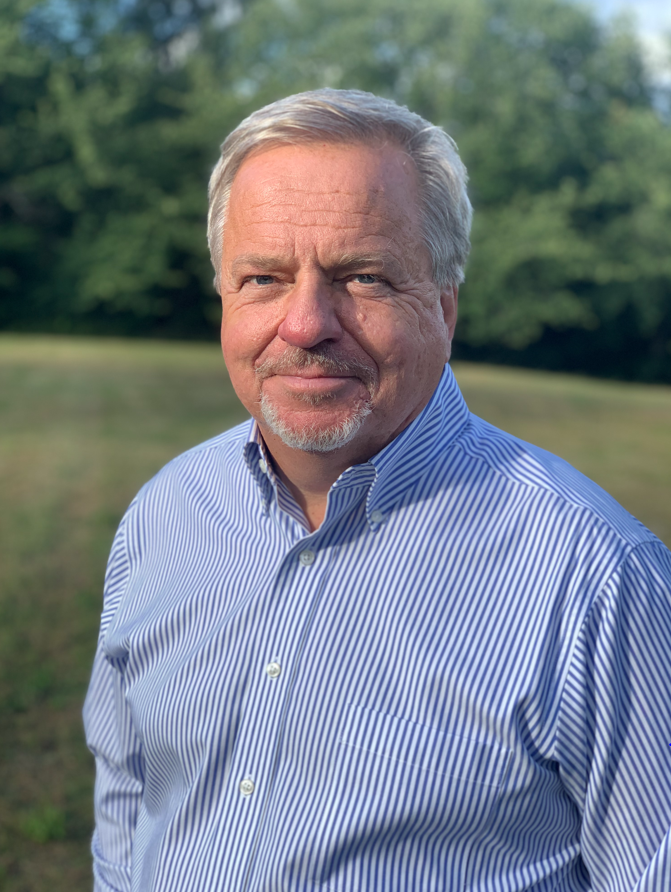
Dr Hans Eriksson is chief medical officer at HMNC Brain Health. He is a highly respected drug developer and clinical psychiatrist with over 20 years of pharmaceutical experience. Prior to HMNC Brain Health, Dr Eriksson served as CMO at COMPASS Pathways and previously as senior director of clinical research at Lundbeck, as well as medical science director at AstraZeneca. He has worked on five late-phase clinical development programmes for depression indications, three of which have resulted in regulatory approvals for Major Depressive Disorder. He holds an MD and PhD in Cell and Molecular Biology from Lund University. He also holds an Executive MBA from Stockholm School of Economics. Dr Eriksson’s specialties include drug development, clinical psychiatry (e.g., mood and anxiety disorders, schizophrenia, and emergency psychiatry).