Biopharma’s future in Ireland: Stability, regulation & talent in a shifting world
There is little doubt that the biopharma sector is undergoing unprecedented levels of change right now. Its global supply chain is in a state of great change due to geopolitical and economic drivers, innovation is being driven by advanced therapy modalities such as cell and gene therapies, and digital technologies are revolutionising manufacturing processes.
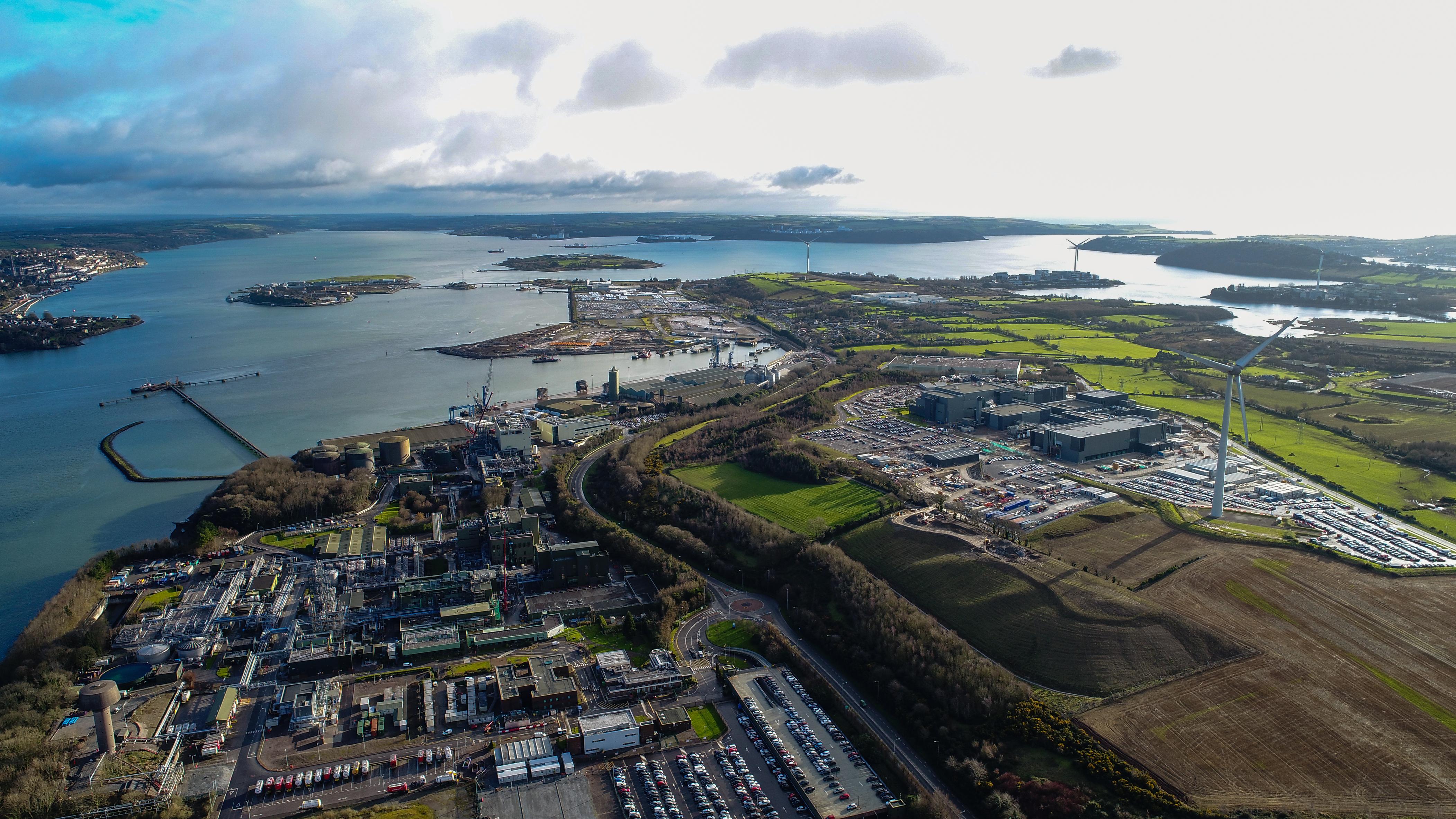
Over 65 years, Ireland has moved from small molecule production back in the 1960s – think Pfizer in Ringaskiddy or MSD in Ballydine – to become what it is today: a global pharmaceutical manufacturing powerhouse with 25 large-scale biologics facilities, 75 small molecule facilities, €15 billion invested in recent FDI, 50,000+ jobs and €130 billion worth of exports every year, making the country the third-largest pharmaceutical exporter worldwide. Yet, as increasing global competition from incentives is felt globally, Ireland needs to become even more agile.
Regulation: A gold standard for innovation
Ireland's regulatory environment is a cornerstone of its value proposition, and the Health Products Regulatory Authority (HPRA) is respected worldwide within the EMA framework, with facilities that boast flawless records with both the FDA and EMA in inspections. Such excellence, honed over decades, ensures reliability in the supply chain for complex biologics and new therapies being developed.
Regulatory innovation is a key area in which Europe can seize opportunities arising from market disruptions and speed up approvals by making processes simpler and providing stronger resources. Ireland is leading in this area by introducing testbeds for digital and AI innovation in a way that is compliant with its regulators. Think real-time analytics in biopharma 4.0, continuous manufacturing and quality control using AI – all in a compliant and scalable way. Multi-functional sites integrate drug substance, formulation, and fill-finish in a way that speeds up commercialisation. For next-gen biologics in ADCs, bispecifics, and radiolabelled antibodies, costs can be reduced by increasing yields and speeding up timelines in a way that is safer.
Companies such as WuXi Biologics in Dundalk are examples of how Ireland’s regulatory approval system is robust and collaborates with industry. With the uncertainties facing the Biosecure Act and the shifting trade landscape, its strong regulatory framework provides a good foundation compared to the US and the rest of the world.
Geopolitical stability: Resilience in volatility
Ireland’s regulatory advantage is also underpinned by geopolitical stability. It is a neutral, EU-integrated, financially secure country, rated 'A' by all rating agencies and with a 15% corporation tax rate. Amid the uncertainty between the USA and China and the flux in global trade, clients are committing to regional strategies. Ireland’s position as the English-speaking gateway to Europe, combined with grants for environmentally friendly buildings and 35% R&D tax credits, makes it the destination of choice for rest of the world capacity builds.
Such stability ensures flexible supply chains for perishable goods like vaccines and biologic medicines. The country offers frictionless Single Market access where plants are more important than ever for strategic resilience as a diversification platform in these uncertain times.
Skilled workforce and innovation ecosystem
Ireland has one of the highest portions of STEM graduates per year. The number of science, technology, engineering, and mathematics (STEM) graduates in Ireland was 40.1 per 1,000 people aged 20-29 in 2022, the highest rate in the EU27.[i] NIBRT, for example, funded by IDA from the early 2000s, provides GMP-simulated training to thousands annually, from level 6-10 to advanced therapies. Training days now exceed 250,000, coupled with partnerships with five global industry leaders. Mobility from MedTech, food, digital, and tech sectors all drive upskilling in AI, data analytics, and automation.
Research centres such as SSPC, PMTC, DMI help to power this. Ireland is classified as a ‘strong innovator’ in the 2025 European Innovation Scoreboard. It has high performance in areas such as immunology, genetics, and analytics.
Pioneering advanced manufacturing and therapies
Indeed, Ireland achieves growth via four pillars: reinforcing its resilient hub, delivering on the promise of digital/AI technology, leading in agile, modular 'factory of the future' technology, and delivering on next-gen biologics. There is a need for innovation in Chemistry, Manufacturing and Controls (CMC) to support the more than 1,000 advanced therapies currently in clinic, and Ireland, with its vibrant contract development and manufacturing organisation (CDMO) landscape, and viral vector and small batch capabilities essential for rare diseases. There is also the Shannon site, Ireland’s first commercial gene therapy site, operated by MeiraGTx.
A whole of government path forward
The national Life Sciences Strategy, whole-of-government Action Plan for Competitiveness, and Industry 5.0 Sustainability Focus are the key enablers for this. Priorities are cost competitiveness, efficient planning and permitting, infrastructure, and also talent, incentives, and green R&D. BioPharmaChem Ireland promotes these cohesively, for example.
With Ireland’s trifecta of stability, regulation, and talent, it is poised to deliver a €200 billion ecosystems opportunity and a 20% global share of the biologics market by 2040. This is the new world: Ireland delivers medicines reliably, innovatively, and sustainably.
References
[i] https://www.cso.ie/en/releasesandpublications/ep/p-mip/measuringirelandsprogress2023/keyfindings/
About the author

Rory Mullen is head of biopharma and food at IDA Ireland. Mullen holds global responsibility for IDA’s biopharma business. He represents IDA on the Board of the National Institute of Bioprocessing Research and Training (NIBRT). Mullen holds an MBA in International Business from the University of Ulster and a Bachelor of Commerce degree and a Professional Diploma in Corporate Governance from University College Dublin.