Best practices in cardiometabolic trial design: Planning and optimisation for success

Cardiometabolic disease is not a single entity. It is a broad spectrum of disorders that share common drivers such as obesity, ectopic fat deposition, insulin resistance, and chronic inflammation. Under this umbrella sit diabetes, cardiovascular disease, fatty liver disease, heart failure, and even certain cancers. Each condition presents its own challenges, yet, they are interconnected through overlapping pathophysiology.
This complexity makes cardiometabolic research both scientifically compelling and operationally demanding. Designing and optimising trials in this space requires careful planning, flexibility, and a deep understanding of endpoints, recruitment realities, and regulatory expectations.
The challenge of endpoints
One of the most persistent challenges in cardiometabolic trial design is the choice of endpoints. Hard outcomes such as cardiovascular events, stroke, or mortality remain the gold standard, but they require long timelines and large patient populations. Surrogate endpoints – HbA1c for diabetes, weight reduction for obesity, MRI or biopsy for fatty liver, ejection fraction for heart failure – can provide earlier signals, but their acceptance by regulators varies. In most cases, authorities insist on hard outcomes, though strong surrogates may occasionally be accepted.
This diversity of endpoints reflects the diversity of disease itself. A trial designed for diabetes will look very different from one designed for fatty liver or heart failure, even though all fall under the cardiometabolic umbrella. Sponsors must therefore tailor endpoints to the specific indication while keeping regulatory expectations firmly in view.
Recruitment and retention realities
Recruiting and retaining patients for cardiometabolic trials is equally complex. Patients are often motivated when the trial offers access to therapies they would otherwise struggle to afford. In Germany, for example, obesity drugs are not reimbursed unless the patient is diabetic. This creates strong interest in anti‑obesity trials, where participants can access medication free of charge. However, placebo arms remain a challenge. Once patients realise they are not receiving active treatment, retention becomes difficult. Sponsors often mitigate this by offering extension studies in which placebo patients later receive the active drug. Shorter trial durations — three to six months — are also more feasible, as patients can be motivated to remain engaged until they can access treatment. But multi‑year placebo studies are increasingly impractical, both ethically and operationally.
Optimisation through design innovation
To address these challenges, sponsors are embracing alternative trial designs. Adaptive designs allow interim analyses and modifications to improve efficiency. Active comparator trials are becoming more common, particularly where placebo arms are no longer acceptable. Statistical innovation now enables indirect placebo comparisons by linking new active‑comparator data to historical placebo data.
Regulatory agencies are beginning to accept these methods, though they remain relatively new. These innovations shorten timelines, reduce patient burden and provide more meaningful data for sponsors and regulators alike.
The role of assays and early signals
Laboratory assays and biomarkers play an important role in early‑phase cardiometabolic research. While they are rarely sufficient for regulatory approval, they provide valuable proof‑of‑concept signals. Sponsors are keen to see early evidence that a drug is moving biological markers in the right direction before committing to large, costly Phase III programmes.
Assays can demonstrate changes in glucose metabolism, lipid profiles, inflammatory markers, or renal function, offering reassurance that the drug is active. This early insight helps sponsors decide whether to invest further, reducing the risk of pursuing ineffective candidates. Assay planning should therefore be integrated into trial design from the outset, even if endpoints ultimately require hard outcomes.
Leveraging broader infrastructure
Our experience in infectious disease and respiratory research has given us infrastructure that translates well into cardiometabolic trials. Decades of expertise in Phase I studies, volunteer management, and laboratory assay development provide a strong foundation. By integrating these capabilities with cardiometabolic expertise, CRS, part of the hVIVO Group, can offer sponsors a broader spectrum of services across indications.
This breadth is increasingly important, as many companies develop drugs that cut across therapeutic areas – for example, agents with both metabolic and cardiovascular benefits. A unified infrastructure ensures consistency, efficiency, and quality across diverse trial designs.
Looking ahead: Optimism for the future
Despite the challenges, we are optimistic about the future of cardiometabolic research. The past decade has seen remarkable progress in obesity and diabetes therapies, with drugs that deliver rapid and visible results. Unlike cardiology trials, which may take years to demonstrate modest effects, cardiometabolic trials often show weight reduction or metabolic improvement within weeks. This immediacy benefits patients, who see tangible changes in their health; sponsors, who gain early confidence in their programmes; and payers, who can justify investment in therapies that deliver measurable outcomes quickly. For cost‑conscious European health systems, the ability to demonstrate value within months, rather than years, is particularly compelling.
We believe the next generation of cardiometabolic trials will combine scientific rigour with operational agility. Endpoints will be carefully tailored to indications, recruitment strategies will reflect patient realities, and innovative designs will shorten timelines without compromising quality. Assays will continue to provide early signals, guiding investment decisions and de‑risking development. Most importantly, new therapies will deliver rapid, meaningful benefits to patients, transforming lives and reducing the burden of disease. That is the promise of cardiometabolic research — complex, challenging, but full of opportunity.
To learn more about partnering with hVIVO Group for cardiometabolic drug development and clinical trials, visit the web site.
About the authors
 Marina Streckenbein
Marina Streckenbein serves as medical director at CRS Mannheim, bringing a wealth of clinical and leadership experience from her previous roles as deputy medical director and senior anaesthesiologist at Theresienkrankenhaus Mannheim and Kreiskrankenhaus Freudenstadt. Board-certified in anaesthesiology, emergency medicine, and operative intensive care, she also has expertise in quality management and medical ethics. A graduate of Heidelberg University, Streckenbein is committed to advancing clinical research and plays a key role in driving medical excellence at our Mannheim site. 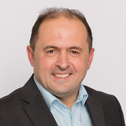 Dr. med. Edis Gasanin, MD, MHBA
Edis Gasanin is deputy medical director at CRS Clinical Research Services Mannheim, part of the hVIVO Group. A clinician‑researcher in cardiology and clinical pharmacology, he leads early‑phase studies and contributes to trial design and execution across cardiometabolic indications. Dr Gasanin earned his medical degree at the University of Niš, obtained his German medical license in 2012, and qualified as a Principal Investigator under §40 of the German Drug Law in 2015. He completed his doctorate at Goethe University Frankfurt (2021) and holds an MHBA from FAU Erlangen‑Nuremberg. Prior to joining CRS, his roles included research physician at Profil Mainz and a decade in cardiology/clinical pharmacology at Kerkhoff Clinic.
 Professor Thomas Andreas Forst
Professor Thomas Andreas Forst is Chief Medical Officer at hVIVO, serving at Clinical Research Services (CRS), part of the hVIVO Group, since 2018. Previously, he was CEO and Director for Medical Science at Profil Institute Mainz (2013-2018) and CEO and Medical Director of the Institute for Clinical Research and Development in Mainz (2001-2013). From 1999-2001, he served as Clinical Research Physician at Eli Lilly Indianapolis, overseeing clinical trials for cardiometabolic disease treatments. A board-certified physician specialising in internal medicine and endocrinology, Professor Forst began his career in 1989 at the German Diabetes Research Institute. He joined Johannes Gutenberg University in Mainz in 1991, earning credentials in Internal Medicine (1996) and Endocrinology (1997). Appointed Professor of Internal Medicine in 2006, he continues training medical students today.
About hVIVO

hVIVO is a full-service early phase CRO offering end-to-end drug development services from preclinical consultancy through to Phase III clinical trials, including world leading end-to-end human challenge trials services. With decades of experience in rapidly delivering data for our global client base, our team brings together strategic insight and operational expertise to deliver a variety of clinical study types across multiple locations.
To support rapid study start-up and reliable delivery, our dedicated recruitment teams in Germany and the UK provide direct access to both healthy volunteers and patient populations. This is complemented by our integrated drug development consultancy as well as our infectious disease and immunology laboratories and biobanking services.
Learn more about how hVIVO is helping to drive innovation in cardiometabolic research through deep expertise, advanced diagnostics, and end-to-end clinical support.