TMS works. Why do fewer than 1% of eligible patients get it?
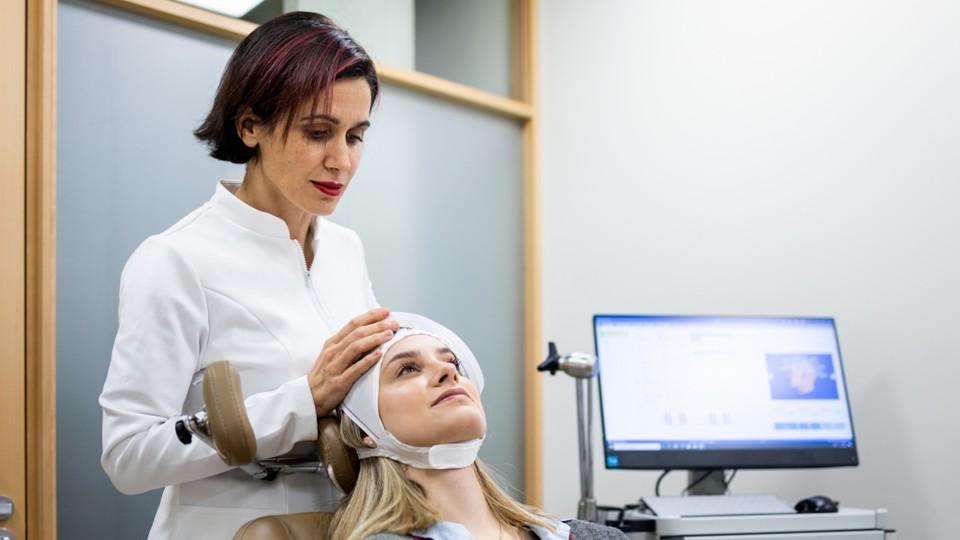
For nearly two decades, transcranial magnetic stimulation (TMS) has been an established treatment for major depressive disorder (MDD). It is a non-invasive, non-pharmacologic, non-hallucinogenic treatment that stimulates the brain circuits involved in depression with magnetic pulses. In real-world practice, more than half of patients respond.
Yet, I believe fewer than 1% of people who may be eligible for TMS receive it. This poses an important question: why does this proven treatment remain out of reach for the millions of people who stand to benefit from it?
The biggest barrier to TMS
The answer is not tied to efficacy. A growing body of clinical evidence suggests that TMS can produce response rates of roughly 50-60% or higher, with remission rates of 30-35%.
Innovation is not the issue either, as advances in brain mapping and technology have provided neuroscientists with a deeper understanding of which circuits in the brain can be disrupted by depression. In identifying the networks responsible for emotional regulation, cognitive control, and resilience, we can re-engage these circuits non-invasively through TMS and harness the brain’s capacity for neuroplasticity. By repeatedly stimulating these circuits, TMS can strengthen the neural pathways involved in healthier brain function, much like physical exercise strengthens muscles.
Unmet need for TMS is also well-defined, particularly among patients with treatment-resistant depression (TRD), which impacts approximately one-third of adults treated with antidepressants. Patients with TRD commonly cycle through antidepressants and psychotherapy until they find additional treatment options like TMS. Left untreated, the burden of treatment-resistant depression can be significant, including a disproportionately higher rate of suicidality, as well as greater healthcare utilisation, higher healthcare costs, impaired psychosocial functioning, workplace disability, absenteeism, and unemployment.
Limited awareness of TMS certainly plays a key role in keeping TMS out of the hands of those who may benefit the most. One survey found fewer than 25% of patients, caregivers, and the public said they had even heard of TMS, suggesting that increased professional and public education are warranted.
But the biggest barrier is accessibility. To expand access, we need to do everything possible to ensure that the TMS treatment model fits within the realities of the modern healthcare system.
We can take some lessons from esketamine. When esketamine nasal spray reached the market, its requirement for in-clinic administration and post-dose monitoring meant uptake depended as much on clinic capacity, scheduling, and reimbursement for observation time as on the drug itself. TMS faces a similar problem.
Rethinking the traditional TMS model
The traditional TMS model can pose an enormous burden for patients and clinicians alike. For patients whose treatment-resistant depression is already making it challenging to participate in daily life, the traditional model requires a substantial time commitment, often asking patients to visit a clinic five days a week for six weeks. Even when patients are motivated to pursue treatment, it is difficult to sustain the commitment long enough to complete the entire course of treatment.
Shorter protocols are already changing this. Research published in The Lancet showed that a three-minute theta-burst stimulation was non-inferior to a standard 38-minute session for treatment-resistant depression. Furthermore, in a 32-patient open-label case series that my co-authors and I published in Transcranial Magnetic Stimulation in 2025, 87.5% of patients responded and 71.9% achieved remission six weeks after completing a 20-session course in one day alongside two off-label oral medications.
Since then, additional peer-reviewed research papers have been published on one-day protocols. For patients, spending one day, as opposed to weeks or months, could be the difference between starting and completing treatment, and ultimately achieving meaningful relief for their depression symptoms.
For clinicians, offering TMS to a greater number of patients means addressing a different set of barriers surrounding cost and footprint. Historically, purchasing a new TMS system has required a large upfront purchase, which meant only well-capitalised practices or large centres could consider adding it. Practices that wanted a lower entry point often turned to pay-per-use arrangements instead, which solved the upfront problem, but replaced it with a fee owed on every session – a cost that quietly erodes margin over a full course of treatment. Footprint was the second barrier: many legacy systems are large, cart-based devices that need dedicated room space and workflow accommodations most practices had not built for.
In response, newer TMS systems are becoming more compact, requiring less of a practice's physical space and workflow than cart-based legacy systems. They are also becoming faster in transitioning from patient to patient, which is better suited to accelerated protocols that require setting up and re-targeting multiple times within a single day. Portable systems that fit in two suitcases, for example, shrink the physical footprint of care and create greater potential for TMS to be offered in more clinical settings.
Economically, subscription-based models with no per-session fees make a practice's cost predictable, and its margin on each treatment grows with volume, rather than being taxed one session at a time. The trade-off: a flat fee favours practices that keep the device busy. This approach lets clinics that could not otherwise afford TMS add it to their practices.TMS’s efficacy has been established for years. What remains is delivery: shorter courses, smaller devices, and pricing that lets any practice offer TMS. We must fix those to treat the other 99% of patients still waiting.
About the author
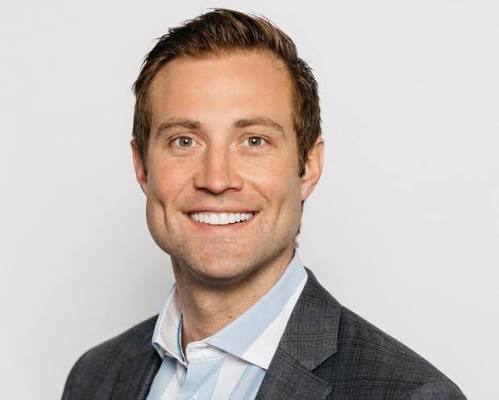 Don Vaughn, PhD, is co-founder and CEO of Ampa. A neuroscientist and entrepreneur with extensive experience in product, neurotechnology, and evangelism, Vaughn is committed to using developments in neuroscience and AI to create breakthroughs in mental health and brain function. His research has been featured on ABC and ESPN, and in TIME magazine and The Economist. Vaughn completed dual degrees from Stanford – a BSc in Physics and a BA in Economics – and a PhD in Neuroscience from UCLA.