Prioritising dermatology to reduce pressure on healthcare services
In 2023, the Burden of Skin Disease survey found that 43% of EU citizens reported at least one skin disease over the previous 12 months. This is equivalent to more than 185 million adults across the 27 countries surveyed. The economic impact is also substantial, with the overall predicted cost for skin diseases estimated at €46.4 billion annually.
In the UK alone, more than half of the UK population will experience a skin condition at some point in their lives. It is estimated to cost the NHS £723 million annually, including approximately 13 million GP appointments each year. While skin disease has rarely featured as a health policy headline, the collective personal, social, and economic cost is now impossible to ignore.
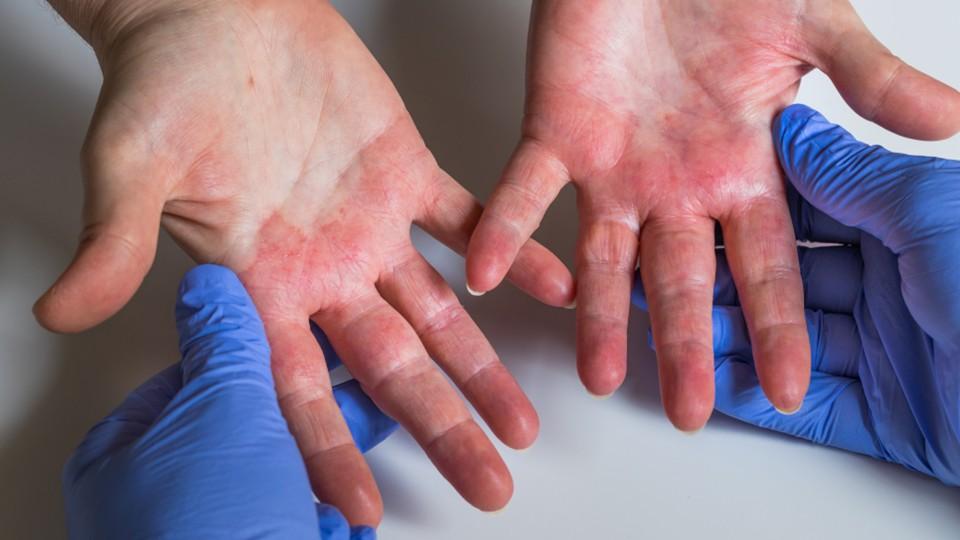
Take Chronic Hand Eczema (CHE) as an example. Although hands are only a small percentage of the skin’s surface, they are constantly in use and almost always exposed and visible. This painful, inflammatory skin disease is often overlooked compared to other skin diseases like psoriasis and atopic dermatitis, but it has a global prevalence rate of approximately 4.7% and can have a major impact on quality of life.
Many people living with CHE, particularly those who work with their hands, can find themselves trapped in seemingly endless cycles of symptom flares, which can occur several times a year and sometimes persist for months at a time. Chronic skin conditions, particularly CHE, remain some of the most underestimated, yet pervasive, challenges affecting people across Europe.
Beyond the skin
The symptoms of CHE are varied, with people frequently suffering from itch and pain due to cracked, damaged skin. CHE is a complex disease that can result in a range of psychological and functional burdens, with one Italian study reporting that around 70% of those with severe cases had difficulty performing daily activities. Symptoms can also be exacerbated by environmental triggers, which can include specific allergens or harsh chemicals, but can also be as commonplace as soap and water.
When your hands are your primary tools, these triggers can be difficult to avoid, and every flare can cause profound disruption to daily life. A recent UK survey by Allergy UK and LEO Pharma found that a big part of CHE’s burden is not the disease itself, but its psychological toll. 60% of those surveyed reported experiencing anxiety due to CHE symptoms. There is a perception of judgement and social stigma that means people often feel the need to hide their hands with gloves and avoid touching people.
This aversion to physical contact could also be contributing to the 73% of respondents who said their CHE has some impact on their existing relationship or their inability to build new ones. This, coupled with frequent disruptions to sleep, can have a major impact on quality of life. Outside of their personal lives, over half of respondents said CHE influenced their career choice, and over 70% said they currently experience some impact on their work or education due to CHE.
Skin conditions impose a significant economic burden across Europe, with nearly one in four affected individuals reporting that they have had to change their profession because of their disease. Those employed in lower-paid or insecure jobs, where they are often unable to avoid triggers, are disproportionately affected.
Many individuals working in healthcare, hospitality, and manufacturing, who have higher exposure to triggers, could find themselves facing lost earnings, reduced job security, and even withdrawal from the workforce. Recognising these patterns of economic inactivity is essential for effective workforce planning and informed policy development to support affected workers and mitigate broader economic impacts.
Improving quality of care
Despite the known impact of CHE on people's mental well-being, quality of life, and ability to work, there are still significant gaps in care that need to be addressed. A global survey found that 95% of healthcare professionals do not feel confident diagnosing dermatological conditions across skin tones, highlighting a critical disparity in understanding and the urgent need for change.
To improve inclusivity in dermatology, there is a clear need for educational sessions and dedicated training in treating people of colour to address gaps in clinician confidence and resources.
Care for skin diseases such as CHE must be equitable and inclusive for everyone, regardless of location and race. People who work with their hands can include top NHS surgeons, but, more frequently, are those from lower socioeconomic groups. The condition can be particularly cruel in its ability to compound existing inequalities.
An ambition to tackle long-term conditions and health inequality is welcome, but real progress requires action. There have been breakthrough advances in dermatology, but some people still can’t access these treatments. Even when positive guidance is issued by regulators, it can take years before effective treatments are available in every region. These delays not only hold back individual patients, they can perpetuate broader economic and social costs, putting national productivity at risk.
Mental health support provision also requires prioritisation. Despite strong advocacy efforts, most care pathways remain siloed, with limited access to specialist psychodermatology services and sometimes limited collaboration between dermatologists, psychologists, and psychiatrists. Bridging this gap is essential to delivering truly person-centred care.
The need for real change
These challenges, spanning clinical confidence, access to innovation, mental health support, and systemic inequality underscore the urgent need for a more inclusive and responsive dermatology framework. Addressing them is not only a matter of improving patient outcomes, but of strengthening our ability to manage long-term conditions effectively.
In the UK, the NHS recently set out a 10-Year Health Plan reimagining how we tackle chronic disease management. It highlighted the need to address inequalities in both access and outcomes to help those with long-term conditions live independently and remain active, including in the workforce, through personalised care and rehabilitation services.
The UK cannot achieve these long-term goals without prioritising chronic skin diseases like CHE. These conditions remain prevalent and have wide-ranging social and economic consequences. To truly prioritise dermatology and meet the NHS’s long-term goals, UK national and local leaders must act to:
- Ensure faster access to specialist assessment and new treatments for all, regardless of geography or socioeconomic status.
- Equip health professionals with resources to diagnose and treat conditions across all skin tones.
- Make mental health support routine in dermatology services and tackle stigma through public education.
While health systems across Europe differ in structure and resources, the challenges posed by chronic skin conditions are universal. By combining the efforts of government, industry, and patient advocacy networks, we can drive best practice and learnings from diverse national approaches. The time is now to meaningfully reduce the burden of chronic skin conditions like CHE and raise the standard of care, continent-wide.
About the author
 Leanne Walsh is VP of mid-sized European markets and general manager, UK, at LEO Pharma. She cares about doing the right thing for employees, partners, and patients they look to support. Dermatology is a space where she feels they can make a real difference. She studied Biomedical Sciences with the intention of going into medical research, but quickly realised she was better suited to applying science in a business context. A field visit as a medical rep opened the door to pharma and Walsh has never looked back. She has spent over 20 years in the pharmaceutical industry working across global, regional, and affiliate roles, with a focus on building strong teams, navigating complex markets, and making sure good ideas turn into real-world results. Walsh’s top priorities in her role are to champion proactive innovation and foster an inclusive workplace culture – one that empowers both internal teams and external partners to take meaningful action in improving the lives of people living with skin conditions. As the medical dermatology landscape continues to evolve at pace, she sees tremendous opportunities ahead for LEO Pharma, and is excited to be part of this transformative journey.