Ultragenyx to slash costs after Angelman trial failure
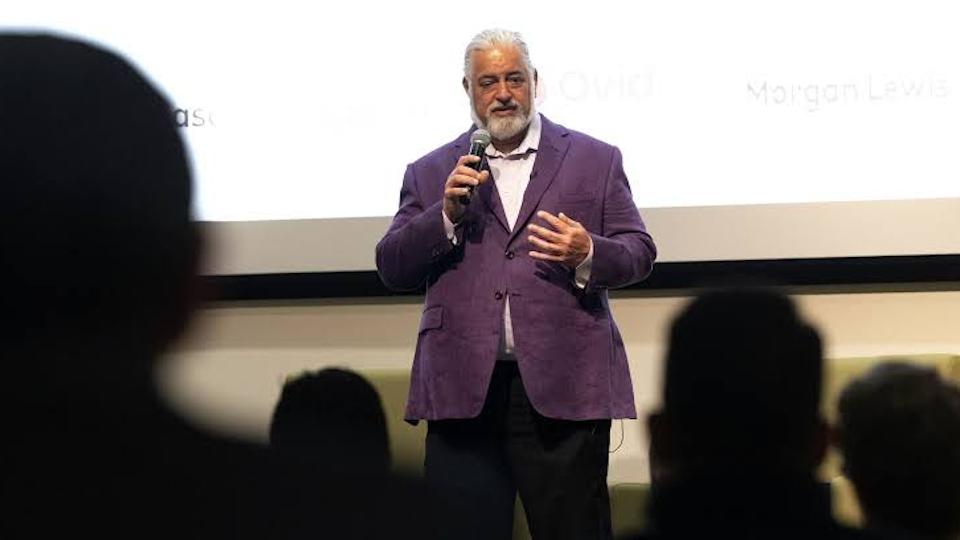
Ultragenyx's CEO, Emil Kakkis, speaking at an event in 2022.
Ultragenyx's therapy for the rare genetic disorder Angelman syndrome, apazunersen, has flunked a late-stage trial, causing the company to start "significant expense reductions."
Antisense-based apazunersen (GTX-102) was unable to achieve the primary objective of slowing down the cognitive impairment in Angelman syndrome, which affects around one in 21,000 births worldwide, leads to delayed development that becomes apparent from around six months of age, and has no approved therapies.
Shares in rare disease specialist Ultragenyx lost nearly 47% of their value after the announcement, more than wiping out recent gains that followed the FDA approval of the company's Genglycos (pariglasgene brecaparvovec) gene therapy for glycogen storage disease type Ia (GSDIa).
Angelman is caused by several genetic mutations, but the most significant is loss of function in the UBE3A gene, which leads to complications in the nervous system and severe issues with movement, balance, and learning.
Usually, a child gets two copies of the UBE3A gene, one from each parent. In Angelman patients, only the gene from the mother is active, and apazunersen is designed to reactivate the normal paternal UBE3A gene, increasing the production of the UBE3A protein in the brain.
Ultragenyx said the ASPIRE trial of the therapy did not achieve the primary endpoint of change from Baseline in Bayley-4 cognitive raw score nor the key secondary endpoint of net response in the Multidomain Responder Index (MDRI), despite encouraging data in an earlier phase 1/2 study.
The result is also a warning shot for Ionis, which is running the phase 3 REVEAL trial of a similarly acting antisense therapy, obudanersen (ION582), with results due in the second half of 2027.
"Based on everything we observed in the robust phase 1/2 clinical development programme and long-term extension study, we are disappointed by the Aspire result," said Emil Kakkis, Ultragenyx's chief executive and president.
"Even more, we are disappointed for the global patient community who has invested so much in early-stage research, working to bring a first-ever treatment to their children." He added.
Ultragenyx estimates that there are around 60,000 patients in "commercially accessible geographies" with Angelman syndrome. It hasn't abandoned apazunersen completely yet, saying it is now sifting through the data before making a final decision.
Despite the setback, Ultragenyx is still aiming to become profitable next year for the first time, based on the rollout of Genglycos and the potential approval of UX111, its late-stage candidate for Sanfillipo syndrome.