
Trump's affordability plan arrives, built around MFN pricing
President Trump has finally delivered his plan to make healthcare more affordable – but it seems the 'concept of a plan' promised for many years remains pretty much just that.
The one-page Great Healthcare Plan (PDF) is short on detail, revolving around four objectives: reduced drug prices; lowering insurance premiums; increased transparency and accountability for health insurers; and publication of the prices of medicines provided through Medicare and Medicaid. Filling in the gaps, according to Trump, will be Congress's task.
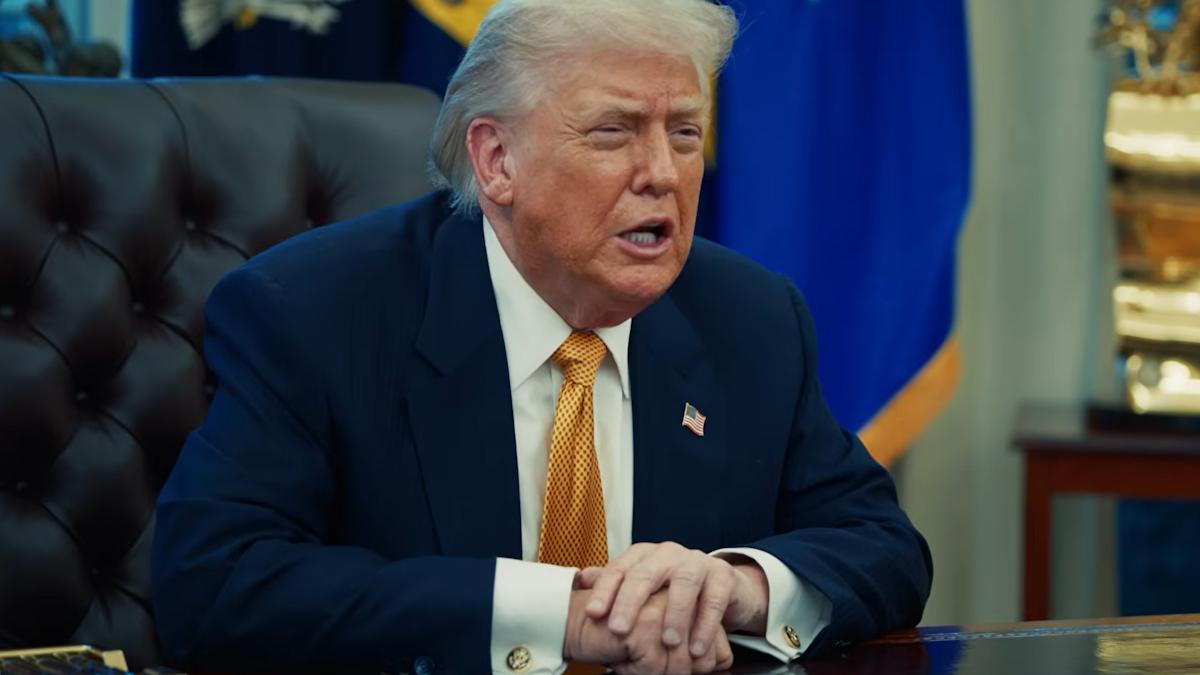
"Instead of putting the needs of big corporations and special interests first, our plan finally puts you first and puts more money in your pocket," said Trump in a video revealing the plan, which comes as many Americans are reeling from rising insurance costs due to the lapse in Obamacare subsidies.
On drug pricing, the headline is a drive to codify in law the voluntary – and so far confidential – Most-Favoured Nation (MFN) pricing deals already signed with big pharma groups, part of a drive to ensure Americans pay no more for medicines than patients in other developed countries.
What the deals have in common is price reductions for Medicaid, MFN prices for new launches, and discounts for self-paying patients through Direct-To-Consumer (DTC) sales channels like the promised TrumpRx platform, due to appear later this month. For now, however, what would be involved in codifying the approach remains unclear.
The document says these deals would be 'grandfathered in' to legislation, and also calls for more medicines to be made available for direct purchase over-the-counter (OTC).
In a statement, the pharma trade organisation PhRMA acknowledged the problem of healthcare affordability in the US and levelled a broadside at insurance companies and pharmacy benefit managers (PBMs), saying that high premiums and insurance denials are a major problem.
"Imposing broad-based price controls does nothing to address insurance barriers and would instead threaten access to breakthrough treatments and undermine critical investments that strengthen the US economy," it said.
The plan also includes a pledge to end "kickbacks" paid by PBMs to brokerage middlemen that "deceptively raise the cost of health insurance."
Insurers targeted
The proposals for the health insurance industry could have massive implications, as it calls for subsidies to be sent to Americans' personal health savings accounts, instead of directly to insurance companies.
Some commentators have suggested this could disadvantage low-income people and is a step back from the Obamacare objective of a single, unified insurance marketplace that can keep premiums down. There's a lot of speculation, but the impact is hard to gauge without knowing details of who would be eligible, the amount individuals might receive, and how the money could be utilised.
"You take the money and buy your own healthcare," said Trump in his video address, adding that the plan also "fully funds" a cost-sharing reduction programme for healthcare plans introduced under Obamacare.
That would save taxpayers "at least $36 billion and reduce the most common Obamacare plan premiums by over 10%."
Other elements of the plan include forcing insurers to set out policies in plain English and publish the percentage of their revenues that are paid out to claims versus overhead costs and profits, as well as the percentage of insurance claims they reject and average wait times for routine care.
The question now is whether the plan can garner bipartisan support in Congress, and initial signs are not good.
"Time and again, Donald Trump has made empty promises to the American people about lowering their healthcare costs, and today's announcement is no different," said Senator Ron Wyden, the top Democrat on the Senate Finance Committee.
"Instead of cracking down on big pharma and big insurance, Trump and Republicans caused premiums to skyrocket, slashed payments to hospitals and communities around the country, and signed off on sweetheart deals with health industry CEOs."













