Syndax shares fall as lung fibrosis drug fails trial
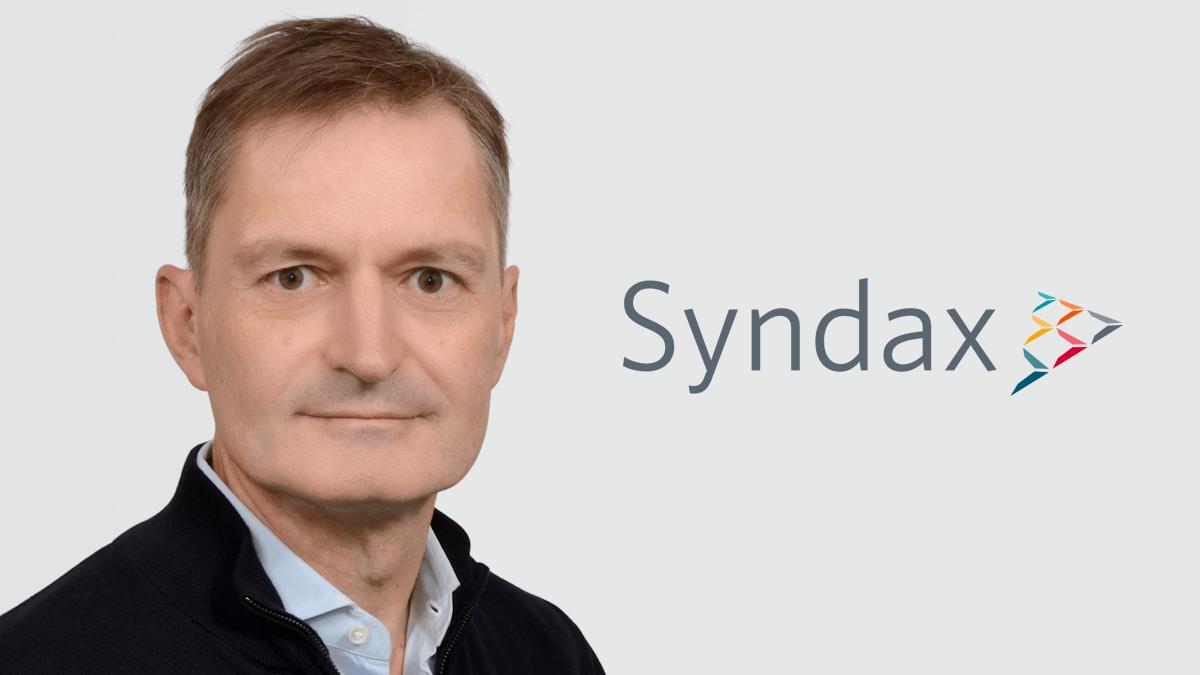
Syndax's chief medical officer and head of R&D, Nick Botwood.
Syndax Pharma shares lost 17% of their value pre-market after the company said it abandoned development of a drug candidate for idiopathic pulmonary fibrosis (IPF).
The decision was taken after the phase 2 MAXPIRe trial of anti-CSF-1R antibody axatilimab showed the drug was unable to slow down the rate of lung function decline in IPF patients compared to placebo over 26 weeks' follow-up.
"Based on the results observed, Syndax does not plan to move forward with further development of axatilimab in IPF," said the company in a statement.
Syndax is partnering with Incyte on the development of axatilimab, which is already approved as a treatment for chronic graft-versus-host disease (GvHD) in the US under the Niktimvo brand name.
Shares in Incyte, which licensed rights to axatilimab from Syndax in a 2021 deal worth up to $600 million, also dipped slightly after the announcement.
"The MAXPIRe trial did not meet its primary endpoint, and we are disappointed by this outcome, given the promising scientific rationale in IPF," said Syndax's chief medical officer and head of R&D, Nick Botwood.
While Syndax and Incyte are continuing to study Niktimvo in cGVHD, seeking to move it earlier in the treatment pathway from its current third-line or later indication, there's no overplaying the impact of the IPF decision on the drug's peak sales prospects, given that the disease affects millions of people worldwide.
"Axatilimab was well tolerated, with a safety profile consistent with prior studies supporting its continued development and use in cGVHD," said Botwood.
"There are multiple trials underway in cGVHD where axatilimab has shown remarkable results, and we look forward to readouts from these trials later this year and in early 2028."
Those include the phase 3 AXemplify-357 trial in newly diagnosed cGVHD as a combination with corticosteroids, and a phase 2 study in the frontline setting in a dual regimen with Incyte's JAK inhibitor Jakafi (ruxolitinib).
Syndax' chief executive, Michael Metzger, said that the company remains confident that Niktimvo can pass the $1 billion annual sales threshold and become a blockbuster product. Total revenues were around $152 million last year and accelerated to $115 million in the first half of 2026.
The truncated potential for Niktimvo means that Syndax will rely more heavily on its other approved product, oral menin inhibitor Revuforj (revumenib), which is indicated for relapsed or refractory acute leukaemia with translocations in the KMT2A gene and is being developed for other blood cancers. The company has predicted Revuforj could become a $2 billion-a-year product.