Regeneron preps filings for myasthenia gravis drug
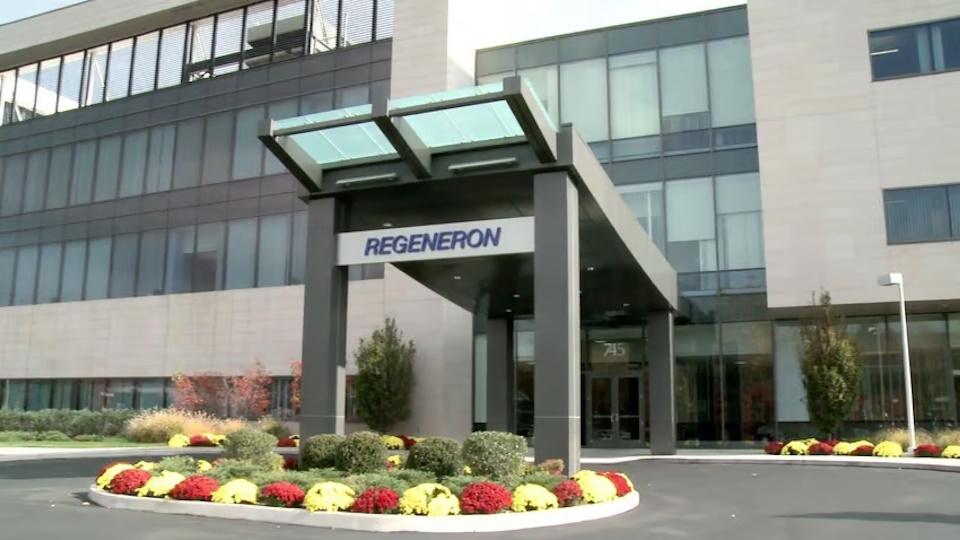
Regeneron could be just a few months away from filing for approval of a therapy for the neuromuscular disorder generalised myasthenia gravis (gMG), cemdisiran, which can be dosed just four times a year.
The US biotech has reported a positive phase 3 trial for the small interfering RNA (siRNA) therapy and is now preparing to file it for approval in the US in the first quarter of 2026 – assuming discussions with the FDA proceed as planned. The drug targets complement C5, a tried and tested drug target in gMG.
In the 190-subject NIMBLE trial, cemdisiran monotherapy, dosed subcutaneously every three months, achieved a 2.3-point placebo-adjusted improvement in the Myasthenia Gravis Activities of Daily Living (MG-ADL) total score at 24 weeks in patients with symptomatic gMG and anti-AChR antibodies. There was a 1.74-point fall with placebo, and the difference between the two groups was statistically significant.
A third group in the study looked at the combination of cemdisiran with Regeneron's anti-C5 antibody Veopoz (pozelimab), already approved by the FDA to treat CHAPLE disease.
While there had been hopes of increased activity for the combination of MG-ADL, it actually did worse numerically, which was a somewhat surprising finding given that the dual therapy was more effective at reducing C5 activity, achieving 99% inhibition versus 74% with cemdisiran on its own.
Regeneron's head of haematology development, Andres Sirulnik, remarked that the results suggest that efficacy in gMG can be achieved without complete complement blockade.
If approved, cemdisiran could enter an increasingly crowded market for gMG therapies with a patient-friendly subcutaneous administration that could differentiate it from other drugs for the disease, which causes chronic, fluctuating muscle weakness and fatigue.
Current therapies for gMG include AstraZeneca/Alexion's complement C5 inhibitor Ultomiris (ravulizumab), which needs to be given as an intravenous infusion every eight weeks, but can be reduced to six or seven infusions a year in the maintenance treatment phase.
In a statement, Regeneron noted that historical clinical data from approved C5 inhibitor therapies have shown a placebo-adjusted treatment difference in MG-ADL total scores ranging from reductions of 1.6 to 2.1 points over 12 to 16 weeks of follow-up.
Cemdisiran would also compete with Argenx's Vyvgart Hytrulo (efgartigimod alfa) and UCB's Rystiggo (rozanolixizumab), both FcRn-targeting antibodies that are administered by subcutaneous injection once a week, as well as Johnson & Johnson's rival FcRn blocker Imaavy (nipocalimab), which is given as an intravenous infusion every two weeks.
Regeneron, which licenses cemdisiran from Alnylam under the terms of a $1 billion alliance agreed in 2019, is also testing the drug alongside Veopoz in late-stage trials for other disorders, including paroxysmal nocturnal hemoglobinuria (PNH) and geographic atrophy (GA).