PMV cues up filing for first p53-directed cancer therapy
PMV Pharma is preparing to file for approval of its oral p53 protein reactivator drug rezatopopt in the first quarter of 2027, after reporting positive results in a phase 2 trial in ovarian cancer.
That schedule means Princeton, New Jersey-based PMV has a chance of bringing the first drug targeting p53 – a tumour suppressor protein long considered an "undruggable" target – through regulatory approval and onto the market.
Its closest rival in the category, Aprea Therapeutics, took eprenetapopt into phase 3 testing, but discontinued the programme after disappointing results in TP53-mutant myelodysplastic syndromes (MDS).
After a recent meeting with the FDA, PMV believes data from its ongoing PYNNACLE clinical trial of rezatopopt could be sufficient to win accelerated approval from the US regulator as a second-line treatment for a specific form of platinum-resistant/refractory ovarian cancer (PROC).
Interim results from the study in 76 patients with solid tumours harbouring a specific mutation in the gene coding for p53, known as TP53 Y220C, showed that a once-daily 200 mg dose of the p53 reactivator achieved a response in 35 of them, giving an overall response rate of 46%.
There were four confirmed complete responses, 29 confirmed partial responses, and two unconfirmed partial responses, according to PMV, with a median time to response of 1.3 months and a median duration of response of 10 months among confirmed cases.
Nasdaq-listed PMV's filing and commercialisation plans for rezatopopt will be supported by a just-completed $50 million public financing, providing lifeline funding for a company that ended the second quarter with $79 million in cash. That was enough for around a year at the rate it was going through reserves in the first half of 2026.
p53 acts as a nuclear transcription factor, rather than having a traditional enzymatic pocket for small molecules to bind, making it challenging to design molecules that could affect its function.
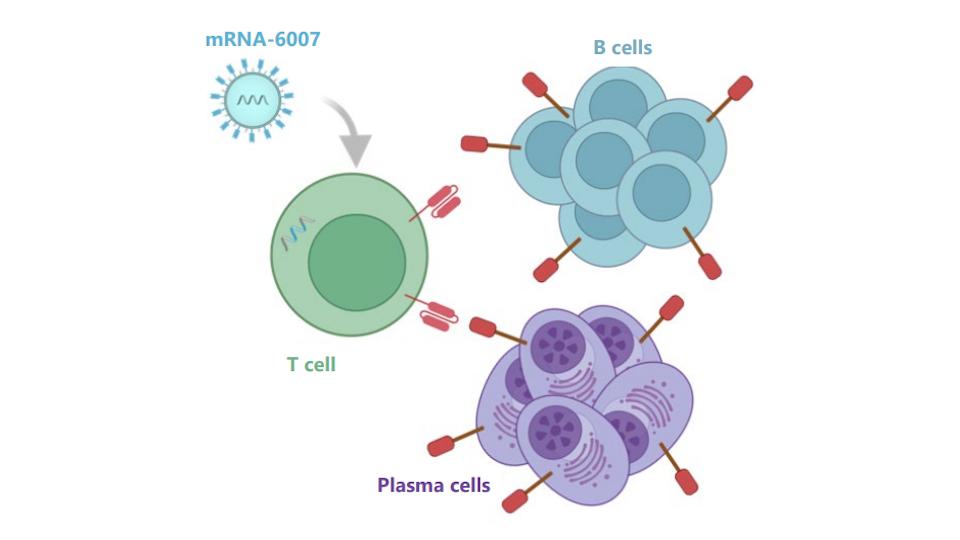
Rezatopopt binds and stabilises the TP53 Y220C mutation – found in around 3% of ovarian cancers and 1% of all solid tumours – which causes a structural change in the p53 protein, and is designed to revert it to its original, unmutated state.
PMV is targeting a 2027 launch for the drug in PROC, and thinks there are around 1,900 patients eligible for the drug in the US and larger European markets, with a global market potential of up to $1 billion, assuming it can command a list price of $65,000 to $80,000 per month.
Expanding into endometrial and breast cancer could add another 400 and 2,300 patients, respectively, to that tally.