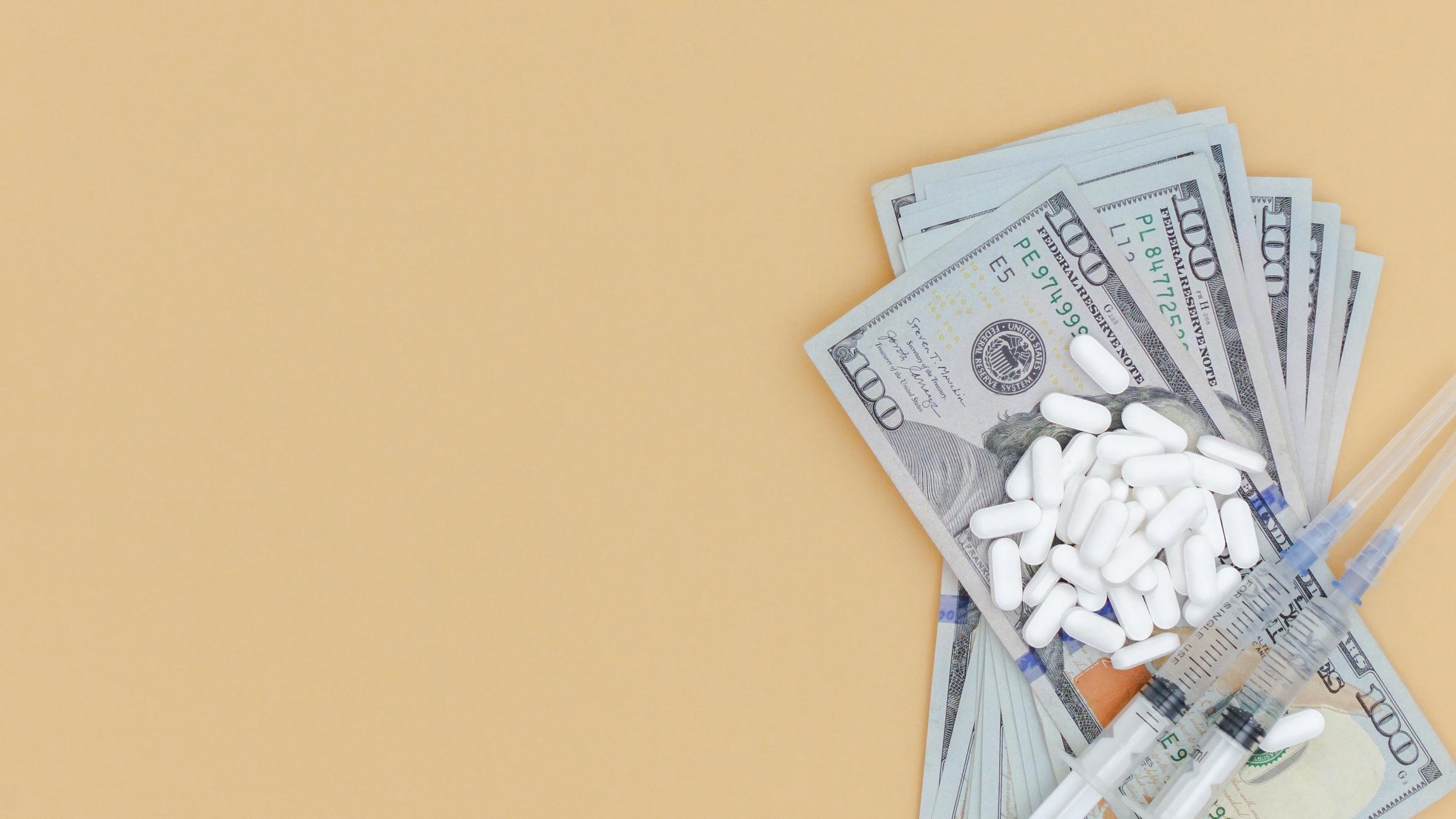
Pharma tariffs yet to emerge as Trump seeks more deals

Speculation is building that President Donald Trump may delay the introduction of his 100% tariff rate on pharmaceutical imports in order to negotiate more deals with drugmakers on drug pricing.
The rate was due to come into effect yesterday, but a Politico report – citing a White House official – suggests that the administration wants more time to sign more agreements like the one it announced with Pfizer earlier this week.
Pfizer has said it will offer some of its drugs to Medicaid at prices aligned with what it charges around the world, in a nod to Trump's Most-Favoured Nation (MFN) policy, and will contribute medicines to the just-announced TrumpRx Direct-To-Consumer sales channel due to launch next year. The agreement also seems to guarantee MFN prices on all new innovative medicines Pfizer brings to market in the US.
The company also promised to invest $70 billion in R&D and manufacturing capacity in the US and negotiated a three-year grace period in which it will not be subject to any pharma tariffs. That has been viewed with relief by big pharma groups – many of which have already announced big US capital investment plans – as a route to immunity from the levies – at least in the short term.
At the press conference to announce the Pfizer deal, Trump intimated that other companies were also looking at similar arrangements, including Eli Lilly, and suggested that those that refuse to do so could see the tariff rate hiked even higher.
Commerce Secretary Howard Lutnick also hinted at the conference that these negotiations would be allowed to complete before the pharma-specific levies are set.
The Pfizer deal suggests that the Trump administration is hoping to use the threat of tariffs to force through an MFN policy, which would set medicine prices at the lowest price in an OECD country with a GDP per capita that is at least 60% of the US GDP per capita.
Trump said at the meeting that the Pfizer deal would save US consumers "hundreds of millions of dollars a year," although that optimistic view was not shared by health policy think tank KFF, which has questioned how the price reductions will affect the majority of US patients who don't pay large amounts out of pocket for drugs.
So far, Pfizer has not announced any changes to its financial forecasts following the deal, so close attention will be given to its third-quarter results update, scheduled for 4th November.
Photo by Semyon Borisov on Unsplash