Novo Nordisk cuts GLP-1 prices for cash buyers
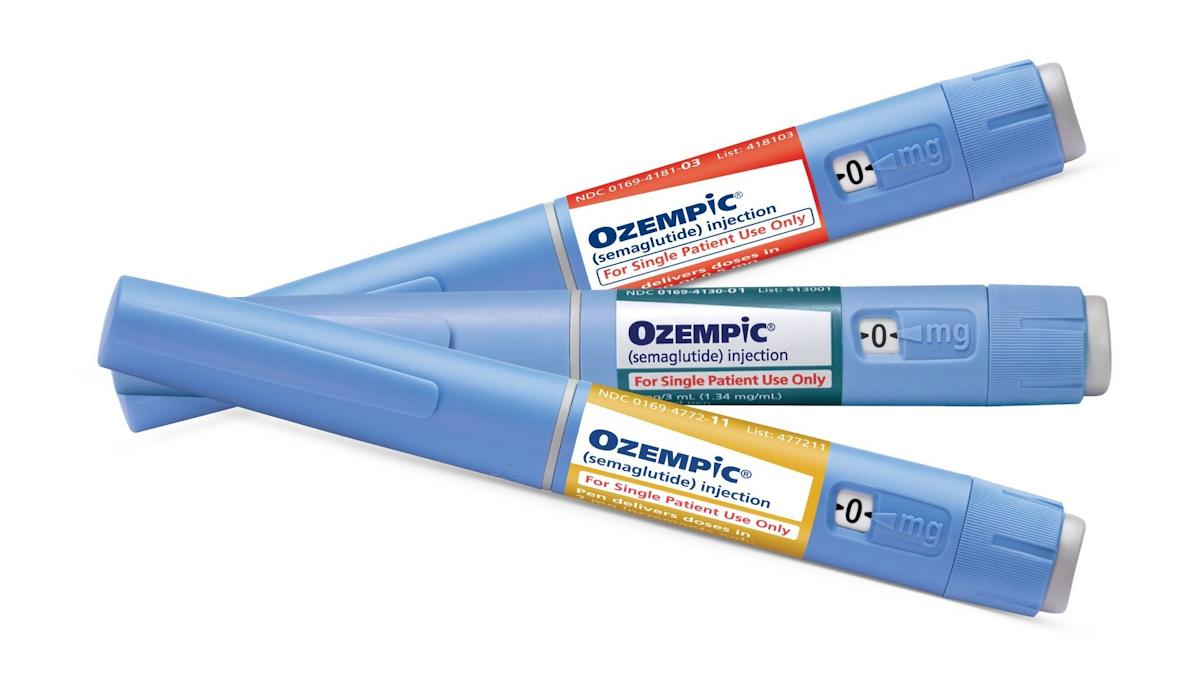
Novo Nordisk has reduced the price of its two semaglutide-based therapies – Ozempic for diabetes and Wegovy for obesity – to a price of $499 for those paying for the drugs out of pocket.
The price cut applies to all dosage strengths of both drugs, according to the pharma company, which said it is part of a strategy to improve access to "authentic" semaglutide medicines.
Novo Nordisk reined in its growth forecasts for the year in its second-quarter financial results update, blaming "persistent use of compounded GLP-1s, slower-than-expected market expansion, and competition."
Compounding of semaglutide should have come to a halt in the US since the drug was removed from the FDA list of medicines in short supply, but various companies continue to provide compounded GLP-1s under a loophole that allows the sale of 'personalised' formulations. Meanwhile, Wegovy is facing tough competition from Eli Lilly's weight-loss therapy Zepbound (tirzepatide), which outperformed its rival in the head-to-head SURMOUNT-5 trial.
Novo Nordisk is hoping to inject fresh momentum into Wegovy's sales growth with a just-awarded first-in-class approval in metabolic dysfunction-associated steatohepatitis (MASH), a disease which affects millions of people worldwide.
Ozempic now available for home delivery
Novo Nordisk is making Ozempic available for the first time for home delivery through its recently launched NovoCare Pharmacy direct-to-consumer (DTC) channel, and has also added GoodRx to its array of telehealth partners for GLP-1 medicines, tapping into its network of more than 70,000 pharmacies across the US.
"While Ozempic is well covered in the US, let's not forget that there are some patients who pay out-of-pocket for this vital medicine," said Dave Moore, Novo Nordisk's head of US operations.
"We believe that if even a single patient feels the need to turn to potentially unsafe and unapproved knockoff alternatives, that's one too many."
GoodRx replaces a now-defunct partnership between Novo Nordisk and Hims & Hers, which broke down due to what the drugmaker said were concerns about "illegal mass compounding and deceptive marketing."
In a statement, GoodRx chief executive Wendy Barnes said that demand for GLP-1 drugs "is at an all-time high, but too many Americans still face barriers accessing them. We're taking a significant step forward in making these innovative brand-name treatments more accessible for millions of people who need them."
Shares in GoodRx were up nearly 29% at the time of writing, while Novo Nordisk rose nearly 7%, partially helping to offset a steep decline since the start of the year.